















Inventions & Breakthroughs of January 1993
Gadgets, lab surprises, odd bets, and future-shocks from this slice of the calendar.
1 
Graphical Web Browser (Mosaic)
2 
MP3 Audio Compression Standard
3 
Search Engine Concept
4 
Java Programming Language
5 
Digital Mobile Camera
6 
Online Banking Systems
7 
Computer Firewall Concept
8 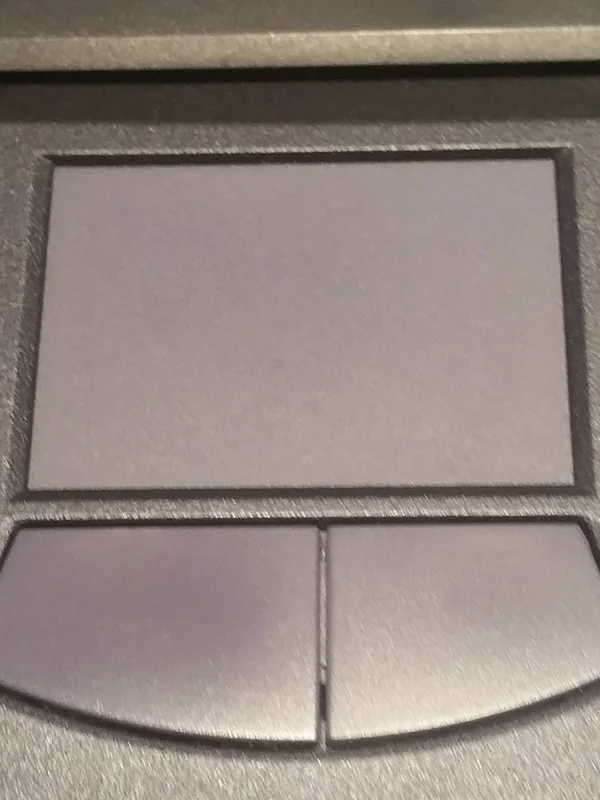
Touchpad Input Device
9 
Real-Time Strategy Video Game
10 
Medical MRI Software Advances
The Sounds of
Popular recordings and roots/country selections associated with the year
HEADLINES ON January 11, 1993
Full News Archive
- Headline: Georgia Tech Breaks Duke's Winning Streak. Fact: This game was Georgia Tech's first victory over a top-ranked team since 1990, showcasing their comeback and determination..
Wall Street Time Machine
The Right Call: If you'd invested $1,000 in any one of these companies in 1993, here's what the stored 2025 dataset estimates.
Rank #3
ORCL
Oracle
Price in 1993
$0.57
2025 dataset value
$317,737
Oracle - If you invested $1,000 in 1993, it would be worth $317,737 today (317.7x return)
🦸 Top 5 Comics
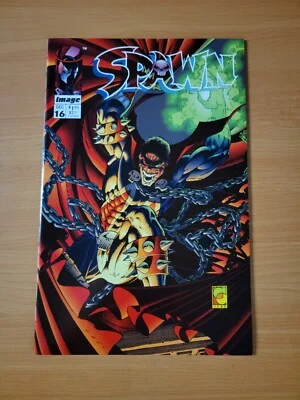
Spawn #1
$60

300 #1
$300

The Maxx #1
$80

Preacher #1
$75
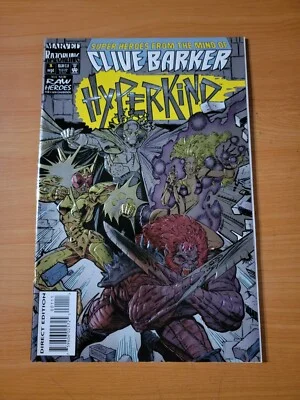
H-E-R-O #1
$95
🧸 Top 5 Toys

Mighty Morphin Power Rangers Action Figures
$150.00

Beetleborgs Action Figures
$150.00

Super Soaker CPS 2000
$250.00

Creepy Crawlers Oven
$200.00

Street Fighter II Figures
$32.00
🎮 Top 5 Video Games

Doom
$200.00

Myst
$130.00
Secret of Mana
$149.00
Star Fox
$150.00
Day of the Tentacle
$45.00
⚾ Top 5 Trading Cards
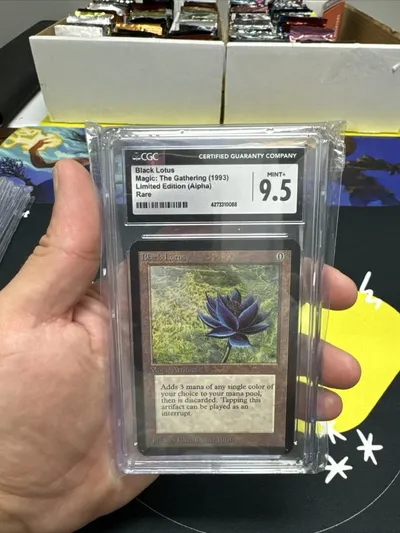
Magic: The Gathering Alpha Black Lotus
$500,000

Magic: The Gathering Alpha Ancestral Recall
$30,000

Magic: The Gathering Alpha Mox Sapphire
$108,000

Magic: The Gathering Alpha Mox Jet
$108,000
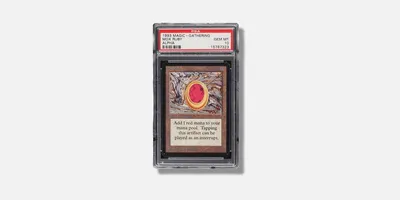
Magic: The Gathering Alpha Mox Ruby
$108,000