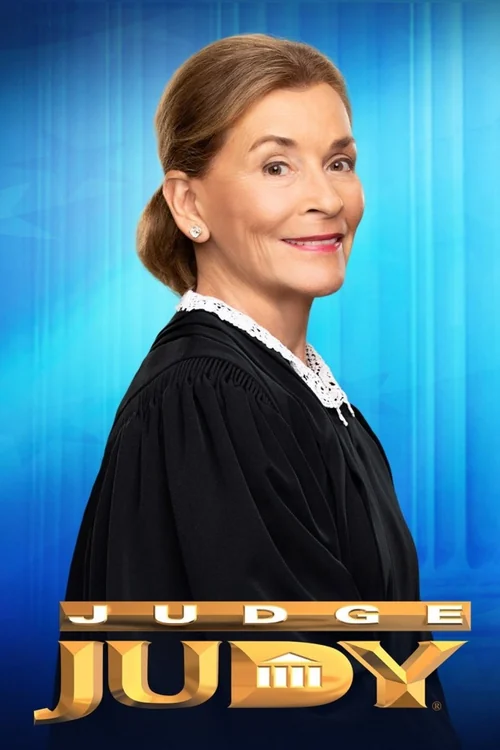
Judge Judy
Judge Judy follows former Manhattan Family Court Judge Judith Sheindlin as she arbitrates real small-claims disputes in a courtroom-style setting. Plaintiffs and defendants agree in advance to be bound by her ruling, turning everyday conflicts into brisk, high-stakes hearings. With sharp questioning and a no-nonsense demeanor, Judge Judy cuts through excuses to focus on evidence, responsibility, and common sense, delivering swift decisions and pointed lessons about conduct and accountability.
Premiering in 1996, Judge Judy centers on Judith Sheindlin, a retired New York family court judge who serves as the arbiter in legally binding small-claims cases. Each episode brings together ordinary people with disputes over loans, damaged property, unpaid work, pets, accidents, and broken agreements. Before entering the courtroom, both sides sign contracts agreeing to arbitration, meaning Judge Judy’s decision is final. The hearings move quickly: she questions the parties directly, challenges inconsistent stories, and demands documentation and credible witnesses. The format blends the structure of a courtroom with the immediacy of reality television, highlighting how minor conflicts can escalate when communication breaks down. Known for her tough, practical style, Judge Judy emphasizes personal responsibility, respect, and the value of keeping one’s word while delivering clear rulings that resolve the case at hand.