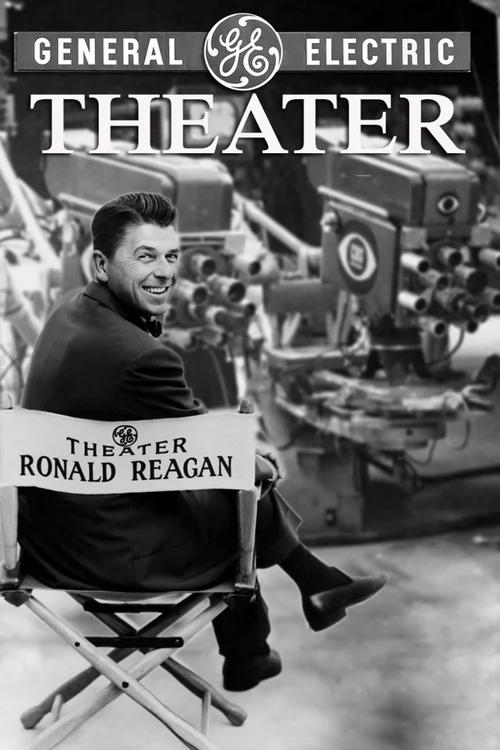
General Electric Theater
Year: 1953 First Air: 1953-02-01
Overview
General Electric Theater is a classic American anthology program from the early television era, featuring a rotating lineup of standalone stories that range from light comedy to grounded drama. Hosted by Ronald Reagan, each installment presents new characters, settings, and themes, often reflecting everyday hopes, dilemmas, and moral choices. With guest performers and varied creative teams, the series offers a snapshot of mid-century storytelling and production style.
Synopsis
Premiering in 1953, General Electric Theater is an anthology series built around the idea that a single show can explore many different worlds. Introduced by host Ronald Reagan, each episode functions as its own self-contained play, shifting tone and genre from week to week between drama, comedy, and occasionally more suspenseful or sentimental fare. Viewers might follow a family facing a difficult decision, a worker confronting an ethical dilemma, a romance tested by circumstances, or a humorous misunderstanding that reveals something true about human nature. Because the cast and setting change every time, the focus stays on the story of the week and the performances of the guest stars. The series captures the pace, dialogue, and themes of 1950s American television while aiming for accessible, character-driven entertainment.
Cast
Trivia
Think about the famous host, notable guest stars, and a behind-the-scenes creative partnership tied to this anthology series.
Q1: Which future U.S. president served as a host of "General Electric Theater"?
Answer: Ronald Reagan
Reagan’s role as host made the series a notable crossroads of entertainment, corporate sponsorship, and American public life. It’s often cited as part of how he increased his national visibility before entering higher-profile politics.
Q2: Which acclaimed film director frequently directed episodes of "General Electric Theater" early in his career?
Answer: Alfred Hitchcock
Hitchcock’s presence as a director underscores the caliber of talent involved and how television anthologies could attract major filmmakers. It also reflects how TV served as a venue for distinctive storytelling by top directors.
Q3: Which television producer is closely associated with "General Electric Theater" as a key behind-the-scenes creative force?
Answer: Revue Studios (produced by MCA/Universal’s TV arm, with producer Al Simon prominently associated)
The show’s production lineage highlights how studio-backed TV units shaped the anthology era and fed talent into later television and film work. It also reflects the industrial side of 1950s TV, where sponsors and studios heavily influenced programming.