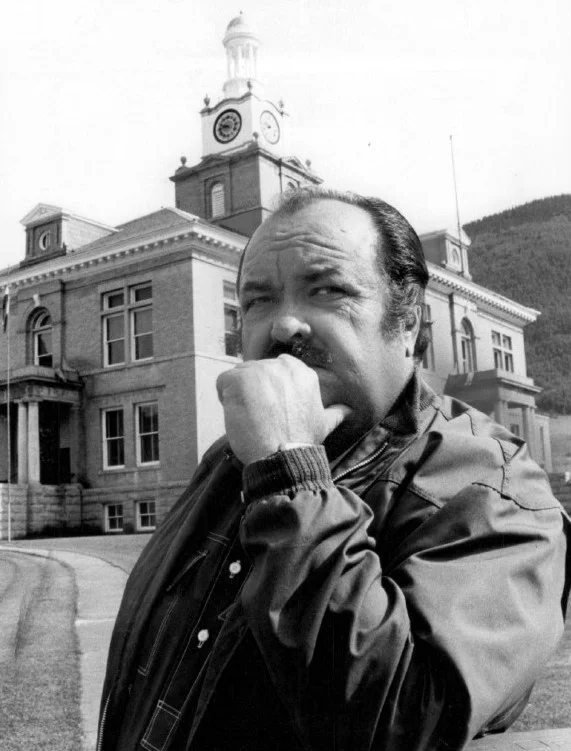
Photo: CBS Television. Cannon publicity photograph, September 29, 1972. Public domain in the United States (published without copyright notice). Portrait resized and converted; share image cropped with text added. See the source and license details below. Image credits
Intro
William Conrad was a radio actor, screen performer, narrator, director and producer whose voice was often as recognizable as his face. Listeners knew him as Matt Dillon in radio's Gunsmoke; television audiences encountered him as detective Frank Cannon and in later mystery series. These were different chapters of a career that crossed the transition from network radio to television. A good introduction pairs the visible presence of Cannon with the vocal performance that had established him years earlier.
Career snapshot
Conrad began in California radio and became a busy performer across dramatic programmes. The Radio Hall of Fame highlights his appearances in Escape, Suspense, Nightbeat and other series. Its account singles out the 1956 Suspense episode The Wax Works, in which he performed all the roles. That is a useful listening exercise: distinguish characters through rhythm and vocal choices rather than through a changing costume or face. His ability to establish a presence through sound remained valuable even after television became the dominant home entertainment medium.
The entry point
Media Heritage identifies Cannon, which ran from 1971 to 1976, as Conrad's major television breakthrough in a leading role. Frank Cannon gave him a sustained screen identity as a private detective after years of radio and supporting work. Watch how an interview or confrontation is paced around him: a pause, a direct question and a controlled response can give an investigative scene its weight. The role makes a useful starting point because it places the performer visibly at the center rather than using him only as a voice or a brief supporting figure.
Screen identity and style
The distinction between radio and television Gunsmoke is essential. Conrad played Matt Dillon on CBS radio from 1952 to 1961; James Arness played the marshal in the television adaptation. Media Heritage recounts the radio cast's unsuccessful effort to carry their roles into the screen version. Conrad's work should therefore be heard on its own terms, not mistaken for Arness' performance. Listening to a radio episode before watching Cannon offers a direct comparison of the tools available to the same actor with and without a visible image.
Collaborations and patterns
The Museum of Broadcast Communications places Conrad in films including The Killers, Body and Soul and Sorry, Wrong Number. It also documents substantial work behind the camera as a producer and director. Television assignments included narration for The Fugitive and The Bullwinkle Show, each using his voice within a very different storytelling form. The former's dramatic framing and the latter's comic narration invite comparison: similar vocal authority can support suspense or become part of a joke depending on the writing, pace and surrounding action.
Era reflection
Later starring vehicles included Nero Wolfe in 1981 and Jake and the Fatman from 1987 to 1992. These continued a television career that extended well beyond Cannon. The museum chronology helps keep the separate adaptations straight: Conrad starred in the 1981 Nero Wolfe series, not the later programme with a different cast. The Fugitive gallery card likewise represents the original television series and his narration, not an on-screen role or the subsequent feature-film adaptation.
Legacy and rediscovery
The Radio Hall of Fame inducted Conrad in 1997, after his death in 1994. That recognition returns attention to the radio foundation beneath the later television stardom. His career can be explored in several ways: listening for a character created entirely through speech, watching an actor anchor a detective story, or noticing how a narrator gives a programme its frame. Taking those paths together makes the range clearer. Conrad's contribution was not confined to a single familiar detective, nor to a voice detached from the practical work of acting.
A career in pictures
Selected career milestones. Years identify the production or labeled milestone; recurring actors may join a series later. Artwork represents the production and may show other cast members. Select an image for a larger view.
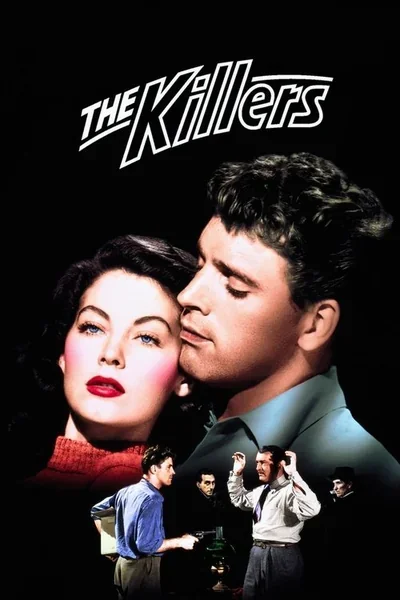
The Killers
Supporting performer. The 1946 crime film, not the later remake.
Production artwork from the DailyTimeCapsule archive. Image credits
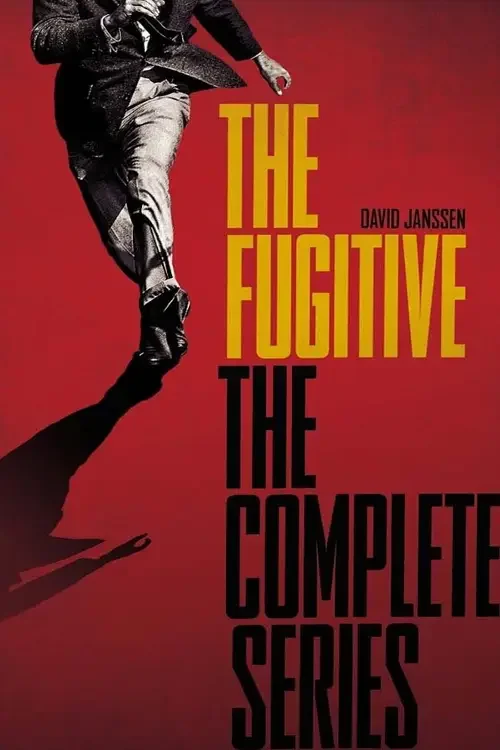
The Fugitive
Narrator. Voice narration for the original series.
Production artwork from the DailyTimeCapsule archive. Image credits
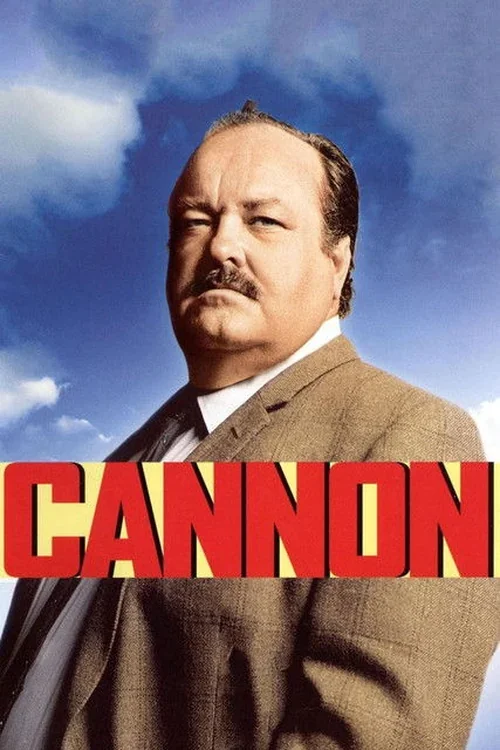
Cannon
Frank Cannon. His starring private-detective role.
Production artwork from the DailyTimeCapsule archive. Image credits
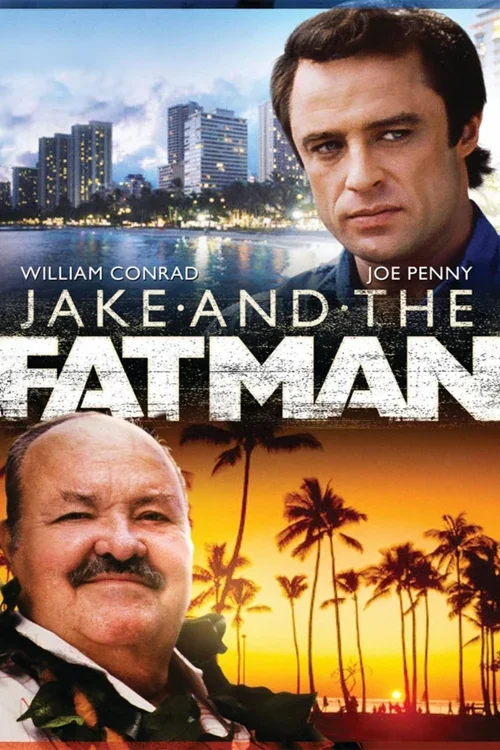
Jake and the Fatman
Series co-star. A later long-running television vehicle, continuing through 1992.
Production artwork from the DailyTimeCapsule archive. Image credits
Rewatch notes
- He played Matt Dillon in the radio version of Gunsmoke.
- He performed every role in the 1956 Suspense episode The Wax Works.
- He was inducted into the Radio Hall of Fame in 1997.
Career highlights
The 1946 crime film, not the later remake.
Voice narration for the original series.
His starring private-detective role.
A later long-running television vehicle, continuing through 1992.
Sources and image credits
Portrait: CBS Television
https://commons.wikimedia.org/wiki/File:William_Conrad_Cannon_1972.JPG
License: Public domain in the United States (published without copyright notice) https://commons.wikimedia.org/wiki/Template:PD-US-no_notice
- The Killers — Production artwork from the DailyTimeCapsule archive.
https://www.museum.tv/radio-encyclopedia-3/conrad-william - The Fugitive — Production artwork from the DailyTimeCapsule archive.
https://www.museum.tv/radio-encyclopedia-3/conrad-william - Cannon — Production artwork from the DailyTimeCapsule archive.
https://mediaheritage.com/quiz-9-william-conrad/ - Jake and the Fatman — Production artwork from the DailyTimeCapsule archive.
https://www.museum.tv/radio-encyclopedia-3/conrad-william
Reviewed September 26, 2026. Source references and image credits are listed below. This is a selected profile, not a complete credit list.
- Museum of Broadcast Communications: William Conrad
https://www.museum.tv/radio-encyclopedia-3/conrad-william - Radio Hall of Fame: William Conrad
https://www.radiohalloffame.com/william-conrad - Media Heritage: William Conrad
https://mediaheritage.com/quiz-9-william-conrad/ - Portrait provenance
https://commons.wikimedia.org/wiki/File:William_Conrad_Cannon_1972.JPG
Production artwork is reused from the DailyTimeCapsule archive. The imagery represents the production and may not depict this actor or their particular season. Portrait and share-photo attribution appears beneath the portrait.
Corrections: hello@dailytimecapsule.com