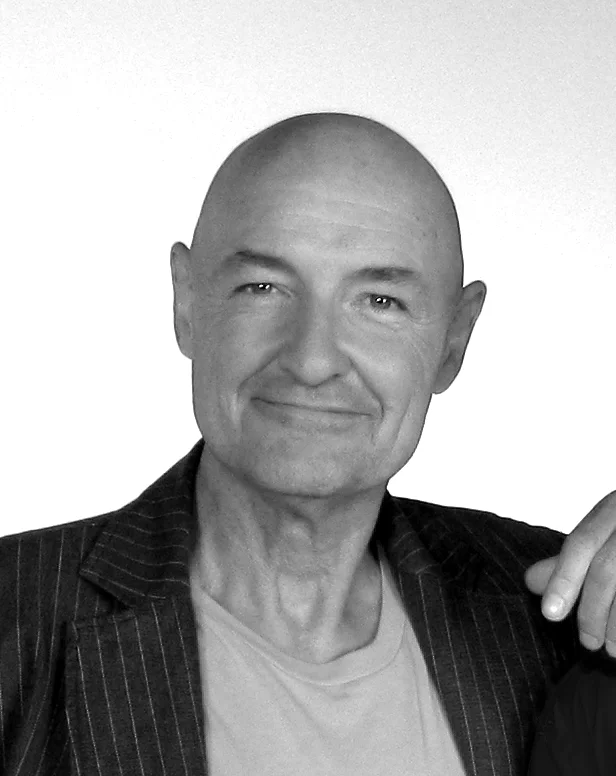
Photo: THMS.nl; crop and darkening by The Man in Question. Terry O’Quinn in Brussels, June 18, 2008. Portrait resized; share image cropped with text added. CC BY 2.0. Portrait resized and converted; share image cropped with text added. See the source and license details below. Image credits
Intro
Terry O’Quinn is an American actor whose work connects the psychological horror of The Stepfather with the elaborate television mystery of Lost. John Locke became his most widely recognized role, but an earlier career in film and recurring television parts gives that performance a broader context. Millennium, Alias and Patriot offer further examples of characters whose authority or knowledge may be difficult for others to read.
Career snapshot
Born Terrance Quinn in Michigan in 1952, O’Quinn worked in film before the television role that brought him an Emmy. His credits include Heaven’s Gate, Silver Bullet, Young Guns and The Rocketeer. These are different productions with different demands, from historical settings to fantasy and adventure. They also show why a career biography should begin before Lost, even when that series provides the most familiar entry point.
The entry point
Lost ran from 2004 to 2010 and cast O’Quinn as John Locke. The Television Academy’s awards table records his supporting-actor win in 2007, with nominations in 2005 and 2010. The year of the win is worth stating precisely because the Academy page’s older introductory prose contains a conflicting date. The awards table identifies the result. Locke’s relationship with belief and uncertainty provides one route through the series without reducing him to its puzzle mechanics.
Screen identity and style
Watch how O’Quinn allows a pause or a look to suggest that a character has reached a conclusion other people have not. In Lost, that can invite trust, curiosity or suspicion depending on what the audience knows. The Stepfather offers a darker comparison through a man’s performance of domestic respectability. These are interpretations to test while watching, not assertions that the two characters share motives or that every quiet moment carries the same meaning.
Collaborations and patterns
The 1987 Stepfather placed O’Quinn in the title role, followed by Stepfather II in 1989. The original film should be distinguished from the later remake. Television subsequently brought Peter Watts in Millennium and Kendall in Alias. Each part places him within an organization whose workings affect what other characters can know. Compare the way information is withheld or disclosed across those series rather than treating every authority figure as the same person.
Era reflection
Patriot cast O’Quinn as Tom Tavner, adding another family and institutional relationship to his television work. Hawaii Five-0 also reunited him with Lost colleague Daniel Dae Kim, with O’Quinn playing Joe White. The latter is the later Hawaii Five-0 series, not the original programme. Such distinctions matter when searching for an appearance: a familiar title can conceal a different production, cast or era.
Legacy and rediscovery
A viewing route from The Stepfather to Millennium, Lost and Patriot follows a career across horror, investigative drama, serialized mystery and dark comedy. The benefit lies in comparison rather than ranking the roles. O’Quinn’s face may be familiar, but the audience’s reason for watching him changes. The credited 2008 portrait and separate production images provide visual landmarks for that route.
A career in pictures
Selected career milestones. Years identify the production or labeled milestone; recurring actors may join a series later. Artwork represents the production and may show other cast members. Select an image for a larger view.
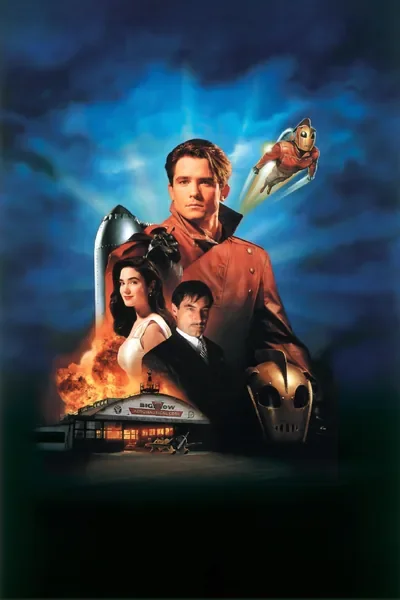
The Rocketeer
Howard Hughes. Production artwork; years identify the work, not necessarily the first year of the actor’s participation.
Production artwork from the DailyTimeCapsule archive. Image credits
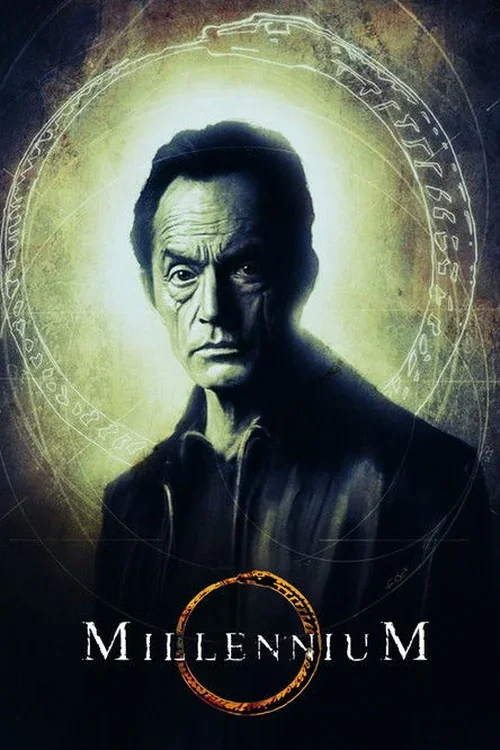
Millennium
Peter Watts. Production artwork; years identify the work, not necessarily the first year of the actor’s participation.
Production artwork from the DailyTimeCapsule archive. Image credits
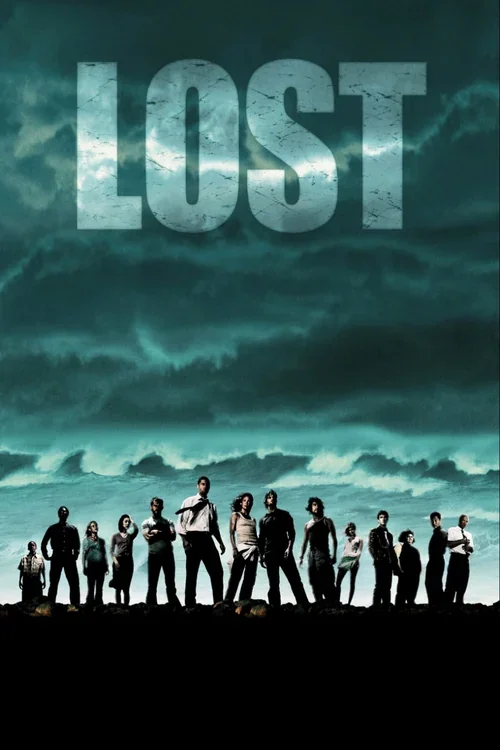
Lost
John Locke. Production artwork; years identify the work, not necessarily the first year of the actor’s participation.
Production artwork from the DailyTimeCapsule archive. Image credits
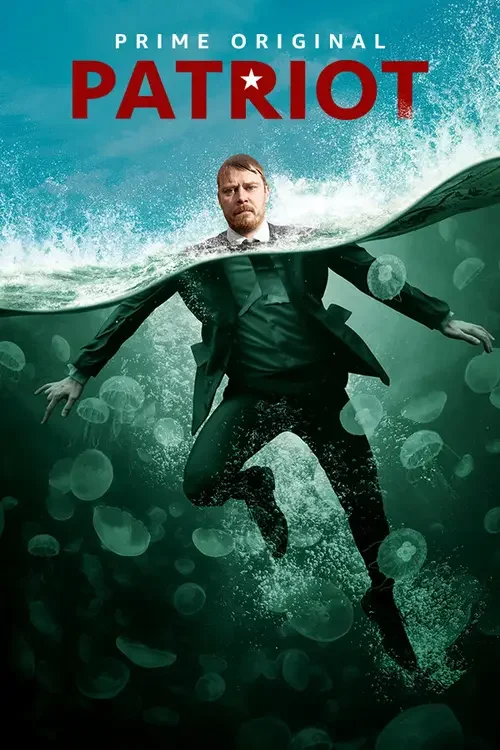
Patriot
Tom Tavner. Production artwork; years identify the work, not necessarily the first year of the actor’s participation.
Production artwork from the DailyTimeCapsule archive. Image credits
Rewatch notes
- O’Quinn won the 2007 supporting-actor Emmy for Lost.
- He starred in the original 1987 film The Stepfather.
- He played Peter Watts in Millennium.
Career highlights
Production artwork; years identify the work, not necessarily the first year of the actor’s participation.
Production artwork; years identify the work, not necessarily the first year of the actor’s participation.
Production artwork; years identify the work, not necessarily the first year of the actor’s participation.
Production artwork; years identify the work, not necessarily the first year of the actor’s participation.
Sources and image credits
Portrait: THMS.nl; crop and darkening by The Man in Question
https://commons.wikimedia.org/wiki/File:Terry_O%27Quinn.png
License: CC BY 2.0 https://creativecommons.org/licenses/by/2.0/
- The Rocketeer — Production artwork from the DailyTimeCapsule archive.
https://en.wikipedia.org/wiki/Terry_O%27Quinn - Millennium — Production artwork from the DailyTimeCapsule archive.
https://en.wikipedia.org/wiki/Terry_O%27Quinn - Lost — Production artwork from the DailyTimeCapsule archive.
https://www.televisionacademy.com/bios/terry-oquinn - Patriot — Production artwork from the DailyTimeCapsule archive.
https://en.wikipedia.org/wiki/Terry_O%27Quinn
Reviewed September 29, 2026. Source references and image credits are listed below. This is a selected profile, not a complete credit list.
- Television Academy: Terry O’Quinn Emmy record
https://www.televisionacademy.com/bios/terry-oquinn - Terry O’Quinn: referenced biography and credits
https://en.wikipedia.org/wiki/Terry_O%27Quinn - Commons: portrait provenance and license
https://commons.wikimedia.org/wiki/File:Terry_O%27Quinn.png
Production artwork is reused from the DailyTimeCapsule archive. The imagery represents the production and may not depict this actor or their particular season. Portrait and share-photo attribution appears beneath the portrait.
Corrections: hello@dailytimecapsule.com