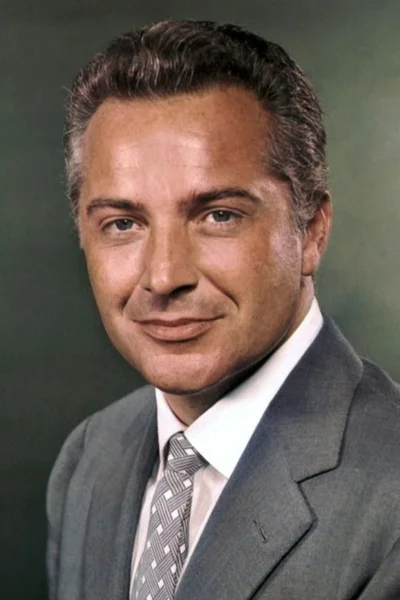
Images are provisional and may be updated.
Intro
Rossano Brazzi commanded the screen with his suave demeanor and rich voice, often embodying characters that exuded charm and depth. His ability to navigate both dramatic and light-hearted roles made him a versatile presence in cinema. With a striking physicality and an elegant style, Brazzi left an indelible mark on audiences worldwide.
Career snapshot
Brazzi's career began in Italy during the 1940s, where he quickly rose to prominence as a leading man. His performances in post-war Italian films paved the way for his transition to Hollywood, where he became known for his romantic roles. Over the decades, he showcased his talent across various genres, from dramas to comedies, establishing a legacy that resonates with actors today.
Anchor film context
In 'The Adventurers', Brazzi's inclusion as a prominent figure exemplifies his adaptability and willingness to embrace new challenges. His role reflects his seasoned experience, contributing to the film's exploration of exploration and adventure. This film serves as a testament to his ongoing influence in the industry during the 1970s.
Screen identity and style
Brazzi was known for his expressive body language and a vocal delivery that combined warmth with authority. His performances often featured a nuanced approach to emotional scenes, where he could shift from intensity to light-heartedness seamlessly. This technical style not only enhanced his characters but also captivated audiences, making him a memorable figure in cinema.
Collaborations and patterns
Over his career, Brazzi collaborated with notable directors like Luchino Visconti and Federico Fellini, who recognized his unique talent. He also shared the screen with esteemed co-stars, including Katharine Hepburn and Sophia Loren, creating memorable duos that elevated their films. These collaborations often resulted in critically acclaimed performances that highlighted his adaptability.
Era reflection
Brazzi's work mirrored the evolving social landscape of his time, often challenging traditional representations of masculinity and romance. He portrayed characters that were complex, often grappling with their desires and societal expectations. In doing so, he contributed to the broader narrative of Italian cinema and its impact on global film culture.
Legacy and rediscovery
The legacy of Rossano Brazzi extends beyond his performances, influencing future generations of actors who aspire to blend charm with depth. His ability to cross cultural boundaries in filmmaking paved the way for others to follow in his footsteps. Brazzi’s contributions to cinema are remembered not only for his roles but also for the emotional resonance he brought to the screen.
Rewatch notes
- Brazzi often infused his characters with a sense of romanticism, which resonated with audiences in the post-war era.
- He was known for his meticulous preparation for roles, often studying the backgrounds and motivations of his characters in depth.
- Brazzi's presence in American cinema helped bridge the gap between European and Hollywood film styles.
- His ability to speak multiple languages contributed to his versatility and appeal in international films.
- Brazzi frequently portrayed characters who were torn between love and duty, reflecting his own philosophical outlook.
- He had a distinctive way of using pauses in dialogue, enhancing the emotional weight of his performances.
- Brazzi’s performances often featured a blend of vulnerability and strength, making his characters relatable.
- He was a proponent of method acting, often immersing himself fully in the emotional lives of his characters.
- Brazzi's style included a mix of elegance and ruggedness, often seen in his wardrobe choices and physicality.
- His work in 'The Adventurers' showcased a more adventurous side of his talent, stepping away from traditional romantic roles.
Career highlights
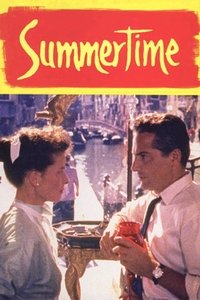
Brazzi's portrayal of the charming Venetian man opposite Katharine Hepburn showcased his ability to convey deep emotion with subtlety.
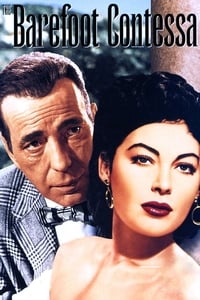
In this film, Brazzi's performance added a layer of complexity to the narrative, embodying the role of a conflicted artist.
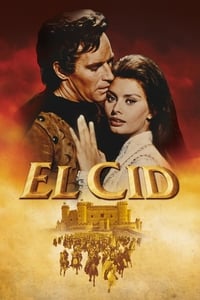
His role in this historical epic established him as a leading man in Hollywood while maintaining his European roots.

Brazzi's performance in this poignant tale demonstrated his range and ability to tackle heavy themes.
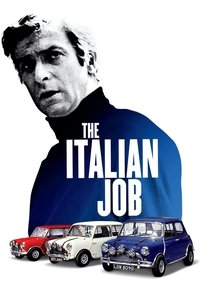
His charismatic performance added a memorable flair to this classic heist film, showcasing his comedic timing.
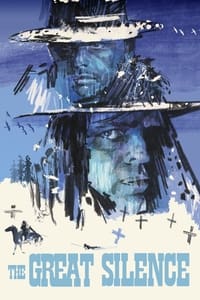
In this Spaghetti Western, Brazzi's portrayal of a complex antagonist highlighted the genre's ability to blend morality with action.
Brazzi's guest role in this popular series allowed him to showcase his charm and versatility in a different medium.

In this film, Brazzi embraced the spirit of adventure, reflecting his own cinematic journey while engaging with a diverse cast.
Corrections
Spotted something off, missing, or worth refining? Send a note. Updates happen through our pipeline after users engage.