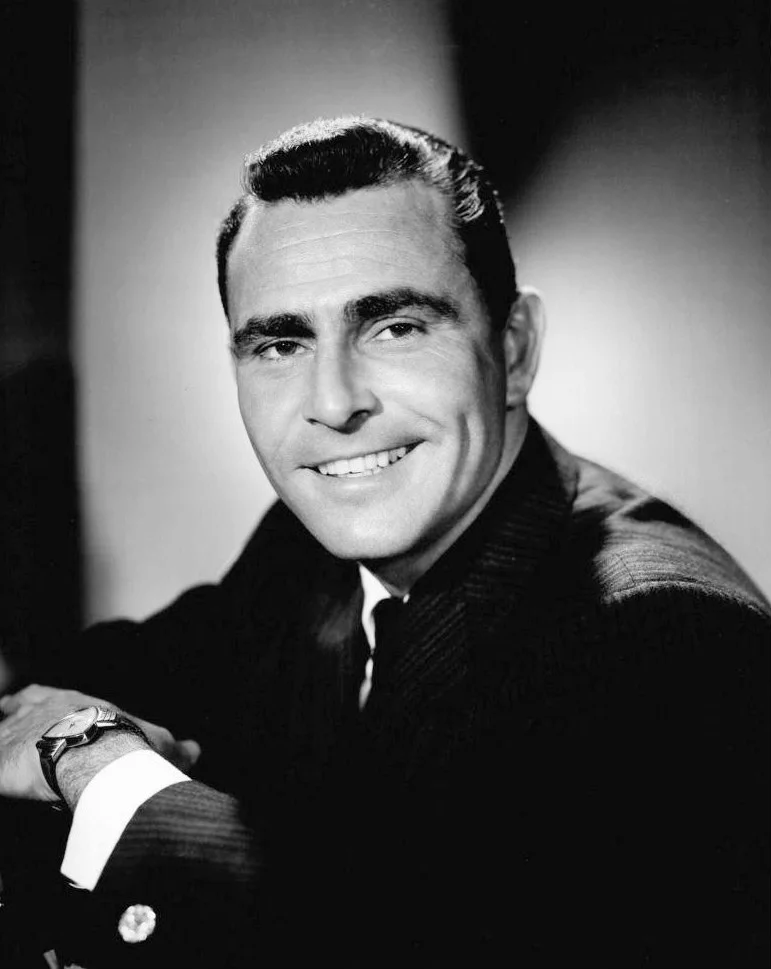
Photo: Gabor Rona / CBS Television. CBS publicity portrait of Rod Serling dated August 27, 1959. Public domain (United States). Portrait resized and converted; share image cropped with text added. See the source and license details below. Image credits
Intro
Rod Serling was an American writer, producer and television host whose face and voice became inseparable from The Twilight Zone. His work connected speculative stories with questions about prejudice, power and moral responsibility. Although his introductions made him an instantly recognisable screen presence, writing was at the centre of his career. A biography of Serling therefore needs to move between the man addressing the camera and the dramatist constructing the story that follows. He died on June 28, 1975, at the age of 50.
Career snapshot
Born in Syracuse and raised in Binghamton, New York, Serling served in the Army before attending Antioch College. The Rod Serling Archive describes an internship at WNYC in which he performed in live radio plays, followed by writing work in Cincinnati. His early broadcasting experience joined performance and writing well before he became a television host. Radio demanded that a story establish its world through voice and sound; television gave him additional ways to reveal information, delay an explanation and confront a character with an unexpected choice.
The entry point
The original Twilight Zone ran from 1959 to 1964. Ithaca College records that Serling hosted the series throughout its run and wrote 92 of its 156 scripts. Each episode offered a separate dramatic situation, while the introductions and closing narration supplied a recognisable guide. On a rewatch, listen to how the opening establishes an ordinary person or place, then notice what the story gradually makes strange. Serling's delivery is part of the experience, but the changing casts and individual writers are also essential to the anthology's range.
Screen identity and style
Before The Twilight Zone, Serling had established himself through live television drama. Patterns examined corporate conflict, while Requiem for a Heavyweight centred on a boxer facing the collapse of his career; Jack Palance starred in the 1956 television production. The Television Academy's tribute also highlights The Comedian. These works are important companions to the fantasy stories. They show an interest in people under pressure that did not depend on an impossible event, and they make the later move into speculative drama easier to understand.
Collaborations and patterns
Serling's feature-film work includes a credited screenplay contribution to Planet of the Apes. AFI lists Michael Wilson and Rod Serling as writers of the 1968 film, directed by Franklin J. Schaffner and based on Pierre Boulle's novel. Its production history describes script development beginning several years before release. This was a collaborative adaptation, not a Serling acting vehicle. For viewers following his career, the film provides another way to consider how a fantastic premise can organise a story around assumptions about civilisation, authority and human behaviour.
Era reflection
Night Gallery returned Serling to the role of on-screen guide, this time introducing supernatural stories through paintings. The Television Academy distinguishes his work there from The Twilight Zone: he hosted and supplied scripts, but did not have the same production role. Comparing the two series can focus on how an introduction prepares an audience for fear, irony or mystery. It also shows why a familiar host's name should not be taken to mean that every episode was written by him or made under identical creative arrangements.
Legacy and rediscovery
Serling also taught at Ithaca College, which dates his visiting professorship from 1967 to 1975. Its archive preserves scripts, photographs and other materials donated by his family, allowing readers to study the work behind the finished broadcasts. A useful viewing path starts with a Twilight Zone episode, adds one of the earlier live dramas, and then compares Night Gallery or Planet of the Apes. The selection brings together his public voice and his writing while keeping the different credits visible. His Television Academy Hall of Fame induction followed in 1985.
A career in pictures
Selected career milestones. Years identify the production or labeled milestone; recurring actors may join a series later. Artwork represents the production and may show other cast members. Select an image for a larger view.
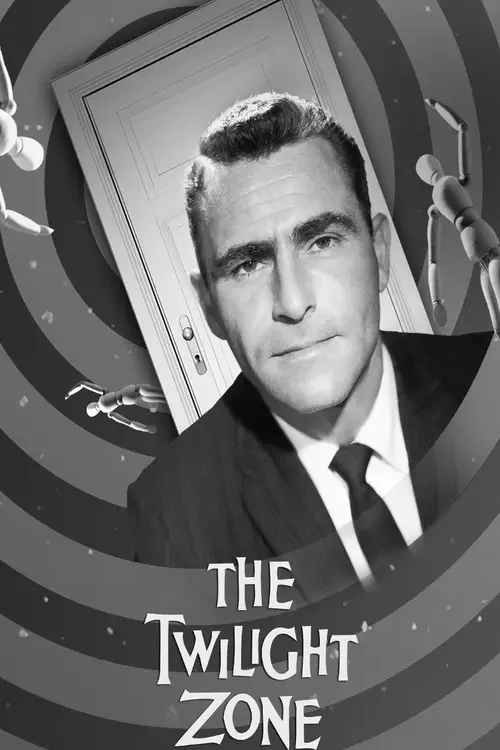
The Twilight Zone
Creator, writer and host. Original anthology series.
Production artwork from the DailyTimeCapsule archive. Image credits

Planet of the Apes
Co-credited screenwriter. Writing contribution, not an acting credit; original 1968 film.
Production artwork from the DailyTimeCapsule archive. Image credits
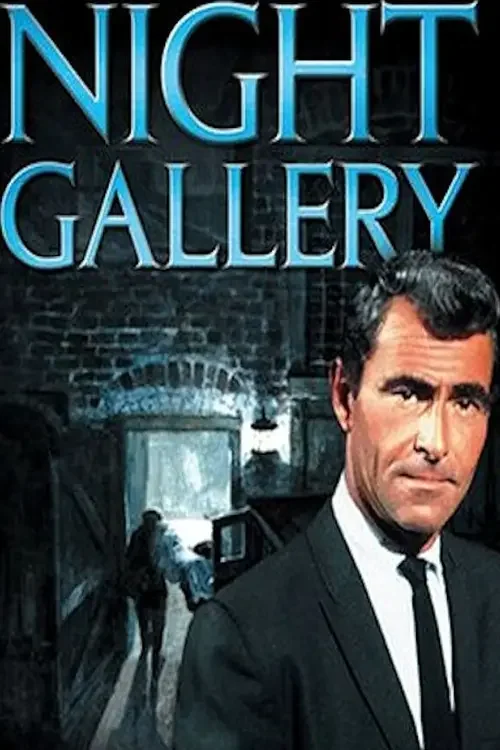
Night Gallery
Host and contributing writer. Series premiere year, following the 1969 television pilot.
Production artwork from the DailyTimeCapsule archive. Image credits
Rewatch notes
- Ithaca College records 92 Serling scripts among the original Twilight Zone's 156 episodes.
- AFI credits both Michael Wilson and Rod Serling as writers of the 1968 Planet of the Apes.
- Serling's teaching career at Ithaca College accompanied his later television work.
Career highlights
Original anthology series.
Writing contribution, not an acting credit; original 1968 film.
Series premiere year, following the 1969 television pilot.
Original Playhouse 90 production starring Jack Palance.
Sources and image credits
Portrait: Gabor Rona / CBS Television
https://commons.wikimedia.org/wiki/File:Rod_Serling_1959.JPG
License: Public domain (United States) https://commons.wikimedia.org/wiki/File:Rod_Serling_1959.JPG
- The Twilight Zone — Production artwork from the DailyTimeCapsule archive.
https://www.ithaca.edu/node/45197 - Planet of the Apes — Production artwork from the DailyTimeCapsule archive.
https://catalog.afi.com/Catalog/MovieDetails/22314 - Night Gallery — Production artwork from the DailyTimeCapsule archive.
https://www.televisionacademy.com/features/news/hall-fame/rod-serling-hall-fame-tribute
Reviewed September 28, 2026. Source references and image credits are listed below. This is a selected profile, not a complete credit list.
- Television Academy: Rod Serling Hall of Fame tribute
https://www.televisionacademy.com/features/news/hall-fame/rod-serling-hall-fame-tribute - Ithaca College: About Rod Serling
https://www.ithaca.edu/node/45197 - The Rod Serling Archive: biography
https://www.rodserlingarchive.com/biography - AFI Catalog: Planet of the Apes (1968)
https://catalog.afi.com/Catalog/MovieDetails/22314 - Ithaca College: Serling award and teaching history
https://www.ithaca.edu/academics/roy-h-park-school-communications/programs-events-and-initiatives/rod-serling-award-advancing-social-justice-through-popular-media - Commons: 1959 CBS portrait
https://commons.wikimedia.org/wiki/File:Rod_Serling_1959.JPG
Production artwork is reused from the DailyTimeCapsule archive. The imagery represents the production and may not depict this actor or their particular season. Portrait and share-photo attribution appears beneath the portrait.
Corrections: hello@dailytimecapsule.com