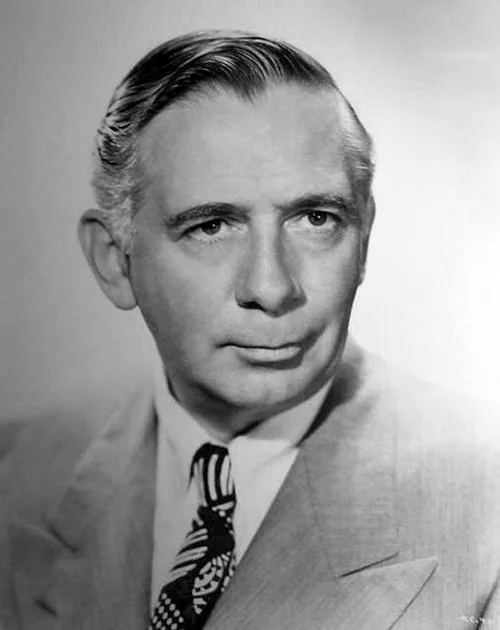
Photo: Unknown studio photographer. Studio portrait of Ray Collins, dated approximately 1940–1945 by Wikimedia Commons. Resized and converted to WebP; share image uses a crop. Commons documents a 1962 newspaper publication without copyright notice. Public domain (US). Portrait resized and converted; share image cropped with text added. See the source and license details below. Image credits
Intro
Ray Collins was an American character actor whose work spanned theatre, radio, motion pictures and television. Born in Sacramento, California, on December 10, 1889, he died in Santa Monica on July 11, 1965. His career connects two especially recognizable screen worlds: Orson Welles's films and the original Perry Mason television series. As Lieutenant Arthur Tragg, he became a familiar presence in a continuing ensemble; as Jim Gettys in Citizen Kane, he supplied a concentrated encounter with political power. These are contrasting introductions to the same performer, rather than the limits of his work.
Career snapshot
Collins established himself on stage before becoming a busy radio actor. His theatre work included Vancouver's Popular Players at the original Orpheum Theatre, and his later association with Welles joined him to a company of performers who moved between microphones and cameras. TV Guide identifies that radio period as an important part of his career, with literary adaptations among his assignments. To appreciate this background, listen for the clarity with which a line sets out a character's position. A radio listener cannot rely on a facial reaction; a screen audience can compare the spoken meaning with the expression accompanying it.
The entry point
The original Perry Mason began in 1957, with Collins playing homicide detective Lieutenant Arthur Tragg opposite Raymond Burr's defense attorney. This is the black-and-white CBS series, not a later revival or reimagining. For a useful first viewing, watch how Tragg's professional confidence works against Mason's habit of questioning the apparent explanation. Their scenes make investigation a contest over what an observation means. The gallery uses the original series artwork to identify this period of Collins's career. It does not imply that he appeared in subsequent productions bearing the Perry Mason name.
Screen identity and style
Citizen Kane offers a very different setting for a confrontation. Collins plays Jim Gettys, the political rival who challenges Charles Foster Kane. TCM's film excerpts identify Collins in the campaign sequence alongside Welles and the surrounding ensemble. Watch the difference between a public speech and a private negotiation: who has room to perform, and who can afford to be still? That question is an editorial viewing suggestion. The scene is valuable for looking at character acting because a supporting performer can alter the pressure of a story without becoming its principal point of view.
Collaborations and patterns
Collins's association with Welles continued in The Magnificent Ambersons, released in 1942, in which he played Jack Amberson. Pairing it with Citizen Kane brings two different social settings into view: a public figure's struggle over reputation and a family's changing position. Joseph Cotten and Agnes Moorehead are other useful names to follow through this circle of performers. Rather than assuming that a recurring collaborator always plays the same kind of person, compare how each production arranges the ensemble. A familiar face may be an adversary in one story and part of a household in another.
Era reflection
The Human Comedy, released in 1943, supplies another viewing path. TCM identifies Collins as the deceased McCauley in the film's opening, alongside the introduction of the family. This role places his presence in a different relationship to the action from either Gettys or Tragg. Compare how a film introduces someone who belongs to a family's memory with how a detective series introduces an investigator entering a case. The difference lies partly in the story's point of view. It is a reminder that a career gallery can show changes in dramatic purpose as well as changes in costume or decade.
Legacy and rediscovery
Start with an original Perry Mason episode for Collins within a recurring television ensemble, then move back to Citizen Kane and The Magnificent Ambersons for his work with Welles. The Human Comedy is a useful additional selection for a different kind of appearance. The portrait and gallery are meant to support that exploration: the portrait depicts Collins, while production artwork identifies selected works and may feature other performers. These viewing notes are editorial invitations to compare scenes, not claims about Collins's private intentions. His path across stage, radio and screen rewards attention to supporting roles and the relationships they establish.
A career in pictures
Selected career milestones. Years identify the production or labeled milestone; recurring actors may join a series later. Artwork represents the production and may show other cast members. Select an image for a larger view.
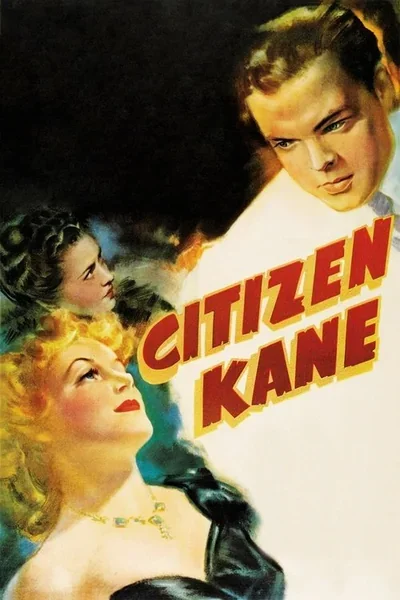
Citizen Kane
Jim Gettys. Political rival in Orson Welles's feature.
Production artwork from the DailyTimeCapsule archive. Image credits
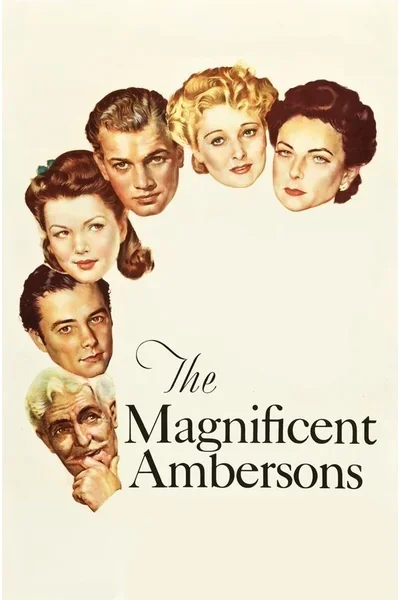
The Magnificent Ambersons
Jack Amberson. A further collaboration with Welles and the Mercury performers.
Production artwork from the DailyTimeCapsule archive. Image credits
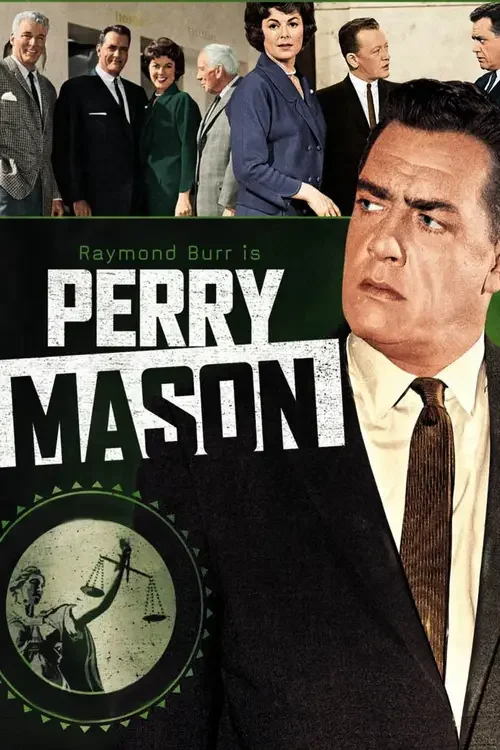
Perry Mason
Lieutenant Arthur Tragg. Original CBS series; this is not a revival or remake.
Production artwork from the DailyTimeCapsule archive. Image credits
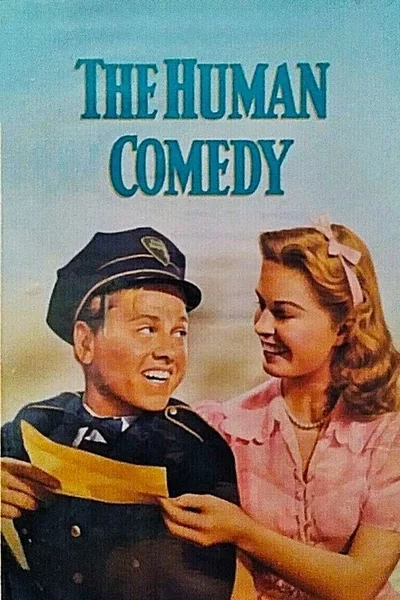
The Human Comedy
Mr. McCauley. The deceased father in the opening of the family drama.
Production artwork from the DailyTimeCapsule archive. Image credits
Rewatch notes
- Collins played Jim Gettys in Citizen Kane and Jack Amberson in The Magnificent Ambersons.
- His Lieutenant Tragg belongs to the original Perry Mason television series that began in 1957.
- Before his familiar screen work, Collins was active in theatre and radio.
Career highlights
Political rival in Orson Welles's feature.
A further collaboration with Welles and the Mercury performers.
Original CBS series; this is not a revival or remake.
The deceased father in the opening of the family drama.
Sources and image credits
Portrait: Unknown studio photographer
https://commons.wikimedia.org/wiki/File:Ray-Collins.jpg
License: Public domain (US) https://commons.wikimedia.org/wiki/Template:PD-US-no_notice
- Citizen Kane — Production artwork from the DailyTimeCapsule archive.
https://www.tcm.com/watchtcm/titles/89 - The Magnificent Ambersons — Production artwork from the DailyTimeCapsule archive.
https://en.wikipedia.org/wiki/Ray_Collins_(actor) - Perry Mason — Production artwork from the DailyTimeCapsule archive.
https://www.tvguide.com/celebrities/ray-collins/bio/3030406262/ - The Human Comedy — Production artwork from the DailyTimeCapsule archive.
https://www.tcm.com/watchtcm/titles/218
Reviewed September 25, 2026. Source references and image credits are listed below. This is a selected profile, not a complete credit list.
- Ray Collins: biography and detailed stage, radio and screen credits
https://en.wikipedia.org/wiki/Ray_Collins_(actor) - TCM: Citizen Kane cast and film excerpts
https://www.tcm.com/watchtcm/titles/89 - TV Guide: Ray Collins career facts
https://www.tvguide.com/celebrities/ray-collins/bio/3030406262/ - TCM: The Human Comedy cast and film excerpts
https://www.tcm.com/watchtcm/titles/218 - Wikimedia Commons: Ray Collins portrait provenance
https://commons.wikimedia.org/wiki/File:Ray-Collins.jpg
Production artwork is reused from the DailyTimeCapsule archive. The imagery represents the production and may not depict this actor or their particular season. Portrait and share-photo attribution appears beneath the portrait.
Corrections: hello@dailytimecapsule.com