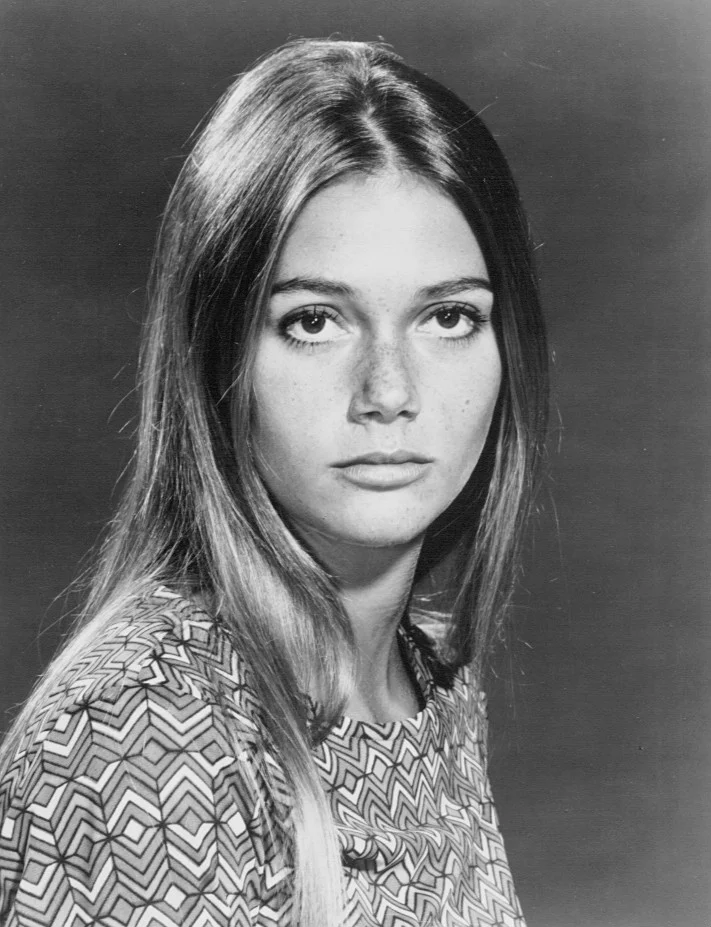
Photo: ABC Television. Publicity portrait for The Mod Squad, 1968–1969. Public domain in the United States: published without copyright notice. Portrait resized and converted; share image cropped with text added. See the source and license details below. Image credits
Intro
Peggy Lipton connected two distinctive eras of American television: the young undercover investigators of The Mod Squad and the unsettled small-town community of Twin Peaks. As Julie Barnes in the former and Norma Jennings in the latter, she helped make an ensemble feel like a group of people with lives beyond the immediate plot. Those roles provide contrasting entry points into her work. One places her inside a crime-solving team; the other makes her diner a familiar meeting place within a mystery that continually unsettles its audience.
Career snapshot
The Mod Squad began on ABC in 1968 and ran for five seasons. Lipton starred alongside Michael Cole and Clarence Williams III, with Tige Andrews playing their police captain. The premise brought young undercover investigators into stories shaped by the social tensions of the period. Lipton's Julie was part of the central trio rather than a visitor to somebody else's adventure. Her performance earned four Golden Globe nominations, including the 1971 win for dramatic television acting. That official awards record offers a useful measure of the recognition she received while the series was still running.
The entry point
The Mod Squad is best approached through the relationship among its three young leads. The characters' ability to move through a younger social world is part of the show's police premise, but their bond also gives the weekly cases an emotional center. Watch how Julie participates in an exchange before the investigation demands a decisive action. The series' period fashions and music are immediately visible and audible; the performers' reactions are another way to read it. Lipton's place within the trio helps keep that broader cultural setting connected to individual people.
Screen identity and style
Norma Jennings in Twin Peaks offered a quieter form of centrality. In her 1990 Egg interview, Lipton described the diner owner as a stabilizing presence in a strange town. She also explained how she preserved tension in scenes with Chris Mulkey, who played Norma's husband Hank. These are practical observations about acting, not merely descriptions of a character. A useful viewing exercise is to notice the difference between Norma's welcome to someone at the diner and her guarded response when personal trouble intrudes. The setting may be familiar, but comfort is never entirely secure.
Collaborations and patterns
Lipton told Egg that Twin Peaks gave her a continuing company of actors, a different working arrangement from meeting many guest performers on The Mod Squad. She valued David Lynch's attention to detail and his work with actors. Her recollections make the ensemble an important part of understanding the performance. Kyle MacLachlan later remembered the strength and calm she brought to Norma, as well as the impact of Julie Barnes on an earlier generation. His tribute is a colleague's perspective, complementing Lipton's own account of how she approached the work.
Era reflection
In a 2005 CNN interview about her memoir Breathing Out, Lipton recalled the long working days behind her Mod Squad fame. The account complicates the familiar image of effortless television celebrity: the public saw a fashionable star, while she remembered a demanding routine sustained across years. Her 2001 American Masters interview, recorded for a documentary about Quincy Jones, preserves another first-person record from a different part of her life. Together, such interviews allow viewers to hear her own voice alongside the characters, publicity photographs and awards that form the public career.
Legacy and rediscovery
Lipton died in 2019, leaving performances that invite comparison across very different television worlds. A Mod Squad episode and a Twin Peaks diner scene show how an actor can remain recognizable while changing her place within an ensemble. Julie works inside the central investigative team; Norma gives a sprawling story a place to return to. The contrast is more revealing than treating either role as a complete portrait of the performer. Her interviews and memoir add the working actor's perspective to that viewing path, preserving the person behind two enduring screen identities.
A career in pictures
Selected career milestones. Years identify the production or labeled milestone; recurring actors may join a series later. Artwork represents the production and may show other cast members. Select an image for a larger view.
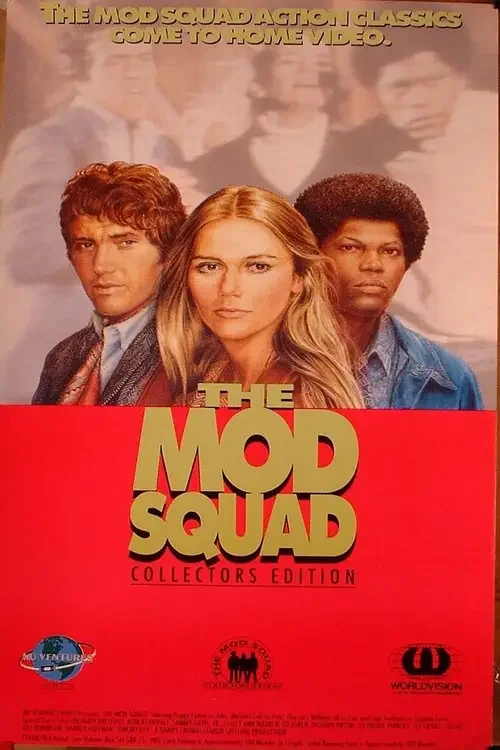
The Mod Squad
Julie Barnes. The original ABC television series, which ran for five seasons.
Production artwork from the DailyTimeCapsule archive. Image credits
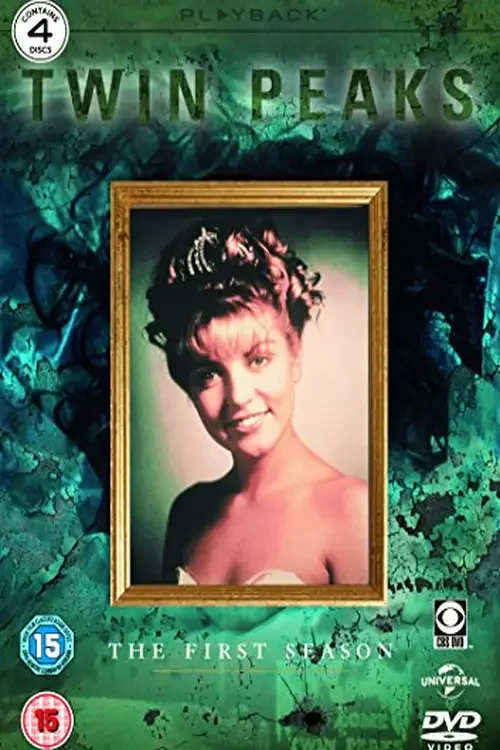
Twin Peaks
Norma Jennings. The original series premiered in 1990; Norma operates the Double R Diner.
Production artwork from the DailyTimeCapsule archive. Image credits
Rewatch notes
- Lipton won the 1971 Golden Globe for her work in The Mod Squad.
- Julie Barnes and Norma Jennings belong to different television ensembles: The Mod Squad and Twin Peaks.
- Her memoir Breathing Out was discussed in a June 2005 CNN interview.
Career highlights
The original ABC television series, which ran for five seasons.
The original series premiered in 1990; Norma operates the Double R Diner.
A first-person account discussed by Lipton on CNN.
Sources and image credits
Portrait: ABC Television
https://commons.wikimedia.org/wiki/File:Peggy_Lipton_Mod_Squad.JPG
License: Public domain in the United States: published without copyright notice https://commons.wikimedia.org/wiki/Template:PD-US-no_notice
- The Mod Squad — Production artwork from the DailyTimeCapsule archive.
https://interviews.televisionacademy.com/shows/mod-squad-the - Twin Peaks — Production artwork from the DailyTimeCapsule archive.
https://twinpeaksblog.com/2025/02/15/egg-magazine-from-october-1990-with-peggy-lipton-and-lara-flynn-boyle/
Reviewed September 25, 2026. Source references and image credits are listed below. This is a selected profile, not a complete credit list.
- Television Academy Interviews: The Mod Squad and its creative team
https://interviews.televisionacademy.com/shows/mod-squad-the - Golden Globes: Peggy Lipton awards record
https://goldenglobes.com/person/peggy-lipton/ - Peggy Lipton's October 1990 Egg interview, preserved by Twin Peaks Blog
https://twinpeaksblog.com/2025/02/15/egg-magazine-from-october-1990-with-peggy-lipton-and-lara-flynn-boyle/ - CNN: Peggy Lipton discusses Breathing Out, June 7, 2005
https://transcripts.cnn.com/show/sbt/date/2005-06-07/segment/01 - Kyle MacLachlan remembers Peggy Lipton, Time, May 2019
https://time.com/5590222/kyle-maclachlin-peggy-lipton-obituary/ - American Masters: Peggy Lipton interview recorded July 10, 2001
https://www.pbs.org/wnet/americanmasters/archive/interview/peggy-lipton/ - Wikimedia Commons: ABC publicity portrait and rights record
https://commons.wikimedia.org/wiki/File:Peggy_Lipton_Mod_Squad.JPG
Production artwork is reused from the DailyTimeCapsule archive. The imagery represents the production and may not depict this actor or their particular season. Portrait and share-photo attribution appears beneath the portrait.
Corrections: hello@dailytimecapsule.com