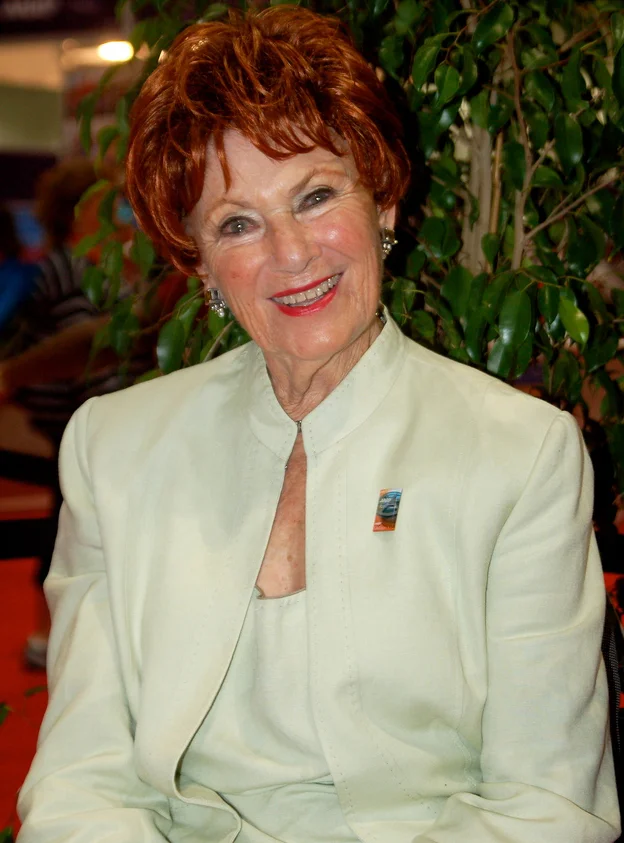
AARP Life@50+ appearance (2011)
Marion Ross
Photographed by Angela George at the September 2011 public event.
Entry point: Happy Days (1974).
Explore the career in pictures
Updated
Marion Ross built a long screen career before and after the role that made her an enduring part of American television: Marion Cunningham in Happy Days. Born in Minnesota in 1928, she entered film and television during the 1950s. Her work ranges from studio features and guest appearances to regular roles in family comedies. Looking beyond Mrs. Cunningham reveals an actress whose professional life crossed several changes in television production, from early network programmes to later ensemble comedy and dramatic guest work.
Before Happy Days, Ross appeared in films including The Glenn Miller Story, Sabrina and Operation Petticoat. These were supporting appearances within larger casts, rather than starring vehicles built around her. Television offered another route into regular work. Her Television Academy oral history recalls Life with Father, The Lone Ranger and the demanding years of finding parts between better-known engagements. The early publicity photograph in this gallery records Mrs. G. Goes to College, where she played Susan, the daughter of Gertrude Berg's central character.
Happy Days placed Ross in a fictional Milwaukee household, playing Marion opposite Tom Bosley's Howard Cunningham. Ron Howard and Erin Moran played Richie and Joanie, while Henry Winkler's Fonzie became closely connected with the family. The series ran from 1974 to 1984. Ross's character could be affectionate, puzzled, firm or unexpectedly adventurous within the same domestic setting. For a rewatch, follow the moments when Marion changes the direction of a conversation rather than looking only at the younger characters' larger comic entrances.
The performance is remembered through the nickname Mrs. C., but Ross's later work offers a useful comparison with that familiar television mother. In Brooklyn Bridge she played Sophie Berger, a grandmother in a Jewish American family in 1950s Brooklyn. The series, created by Gary David Goldberg, gave her a different family history, vocal characterization and set of relationships. Comparing Sophie with Marion helps separate the actress's recognizable warmth from the specific choices that make each character belong to her own household.
Ross also returned to television in recurring and guest roles rather than relying exclusively on a new starring series. Her Academy interview discusses work on The Love Boat and The Drew Carey Show, along with earlier appearances on Dr. Kildare and The Brady Bunch. The breadth of these engagements is part of her career story: a performer could be strongly associated with one long-running comedy while continuing to enter other ensembles. Each appearance should be read in the context of its particular character and production.
Awards records provide another view of that range. The Television Academy lists nominations for her supporting work in Happy Days, leading work in Brooklyn Bridge and a guest appearance in Touched by an Angel. Those categories reflect different sizes and kinds of television role. They also trace recognition across decades rather than one isolated period of popularity. The gallery pairs a 1961 television publicity portrait with a later public appearance, identifying each image by its actual occasion instead of presenting either as a scene from another series.
Ross's career can be explored through both the programmes and her recorded accounts of making them. Begin with the Cunningham household, then compare the Berger family and the earlier supporting appearances. Her oral history is particularly useful for understanding how an established television identity developed from years of less prominent work. This biography selects milestones rather than attempting a complete filmography. Its photographs are separately credited records of the actress at different moments, with the original source and reuse terms retained alongside the career guide.
Two distinct photographs: a 2011 public appearance and a 1961 television publicity portrait.
Marion Ross
Photographed by Angela George at the September 2011 public event.
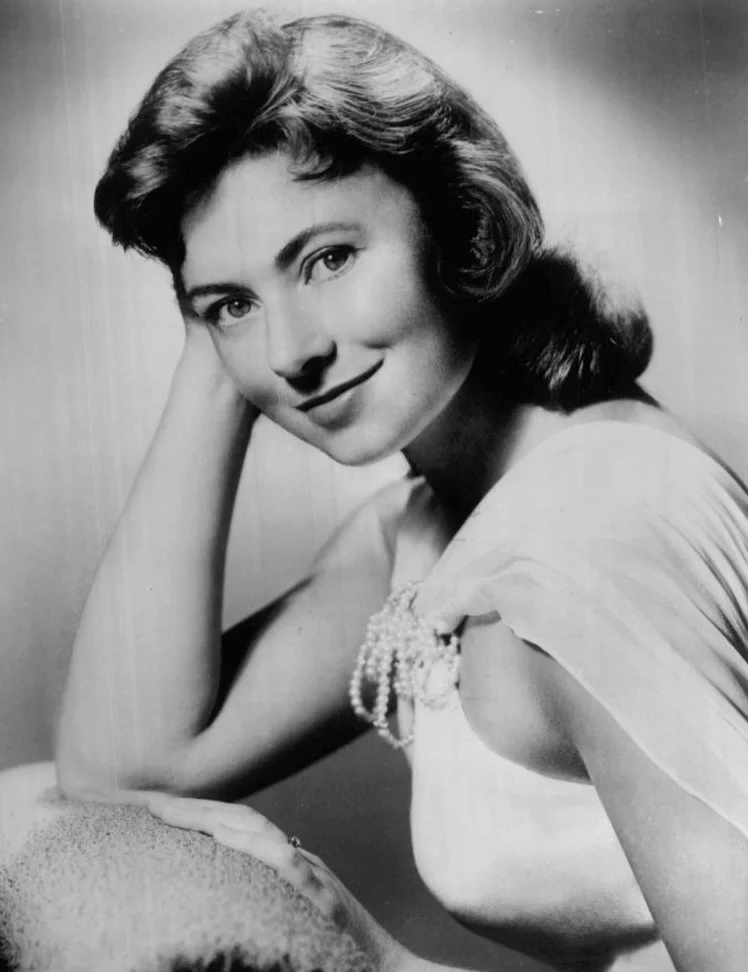
Susan
CBS publicity portrait for the television series starring Gertrude Berg.
Television Academy oral history
https://interviews.televisionacademy.com/interviews/marion-ross
Television Academy nominations
https://www.televisionacademy.com/bios/marion-ross
Career and filmography
https://en.wikipedia.org/wiki/Marion_Ross
Commons: portrait provenance and license
https://commons.wikimedia.org/wiki/File:MarionRossSept2011.jpg
Corrections: hello@dailytimecapsule.com
Work: MarionRossSept2011.jpg
Creator: Angela George
Date: 2011-09-23
Original source: https://commons.wikimedia.org/wiki/File:MarionRossSept2011.jpg
Primary archive: https://commons.wikimedia.org/wiki/File:MarionRossSept2011.jpg
License: CC BY-SA 3.0
License URI: https://creativecommons.org/licenses/by-sa/3.0
Changes: Resized and converted to WebP; portrait also placed in a titled share image. No endorsement implied. These image derivatives remain available under CC BY-SA 3.0.
Rights scope: No endorsement implied. See the stated license and modification notice.
Work: Marion Ross 1961.JPG
Creator: CBS-TV / Bureau of Industrial Service
Date: 1961-08-31
Original source: https://commons.wikimedia.org/wiki/File:Marion%20Ross%201961.JPG
Primary archive: https://commons.wikimedia.org/wiki/File:Marion%20Ross%201961.JPG
License: Public domain
License URI: https://commons.wikimedia.org/wiki/File:Marion_Ross_1961.JPG
Changes: Resized and converted to WebP; portrait also placed in a titled share image. No endorsement implied.
Rights scope: No endorsement implied. See the stated license and modification notice.