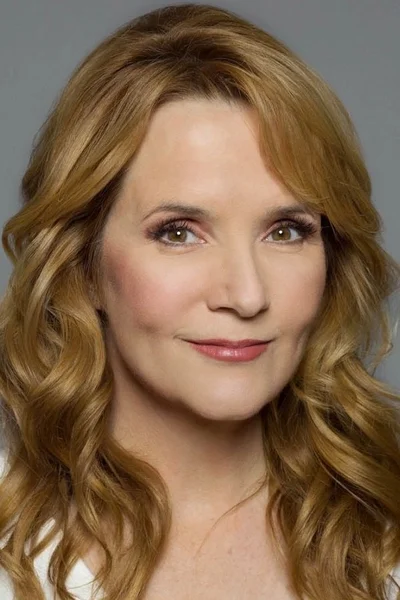
Images are provisional and may be updated.
Intro
Lea Thompson's screen presence is marked by a blend of warmth, vulnerability, and humor, making her a relatable figure in the realm of 1980s and '90s cinema. Her performances often resonate with themes of love, ambition, and the complexities of youth.
Career snapshot
Thompson's career began in the early 1980s with television appearances and film roles that showcased her range. Her breakthrough came with 'Back to the Future' in 1985, cementing her status as a leading figure in Hollywood. Throughout the late '80s and early '90s, she starred in several significant films, balancing both comedic and dramatic roles.
Anchor film context
In 'Back to the Future Part II,' Lea Thompson reprised her role as Lorraine, navigating the challenges of being a mother while dealing with the implications of time travel. Her performance added depth to the narrative, connecting the original film's themes with the sequel's complexities.
Screen identity and style
Thompson is known for her expressive face and dynamic body language, often using subtle gestures to convey her characters' emotions. Her vocal delivery ranges from soft and romantic to assertive, allowing her to inhabit varied roles seamlessly.
Collaborations and patterns
Throughout her career, Thompson has worked with notable directors and co-stars, including Robert Zemeckis in the 'Back to the Future' trilogy and Eric Stoltz in 'Some Kind of Wonderful.' These collaborations helped shape her career trajectory and solidified her place in the industry.
Era reflection
Thompson's roles often mirrored the social landscapes of the 1980s and 1990s, reflecting the aspirations and struggles of young women. She challenged stereotypes by portraying strong, independent female characters who navigated complex relationships and societal expectations.
Legacy and rediscovery
Lea Thompson's impact on subsequent generations of actors is evident in her ability to portray relatable characters with emotional depth. Her work has inspired many young actresses to explore roles that balance vulnerability with strength, leaving a lasting influence on the portrayal of women in film.
Rewatch notes
- Thompson's character in 'Back to the Future' was originally written to be less complex, but her performance added significant depth.
- She often used improvisation during her scenes, particularly in comedic moments.
- Thompson was considered for various roles in the 'Back to the Future' trilogy, showcasing her versatility.
- Her role in 'Howard the Duck' became a cult classic, despite mixed reviews upon release.
- In 'Some Kind of Wonderful,' Thompson's character challenges the typical high school archetype, adding depth to the narrative.
- Thompson was also a talented dancer, which influenced her early career in musical theater.
- She has a notable resemblance to her on-screen mother in 'Back to the Future,' contributing to the film's family dynamics.
- Thompson's performances often include a blend of humor and sincerity, making her characters memorable.
- She frequently portrays characters who navigate the challenges of love and personal growth.
- Thompson remains active in television and film, often returning to roles that highlight her enduring appeal.
Career highlights
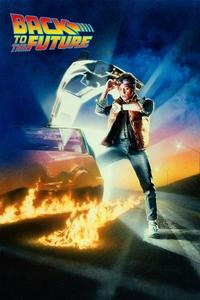
Thompson's portrayal of Lorraine captured the complexities of teenage romance and parental relationships across time.
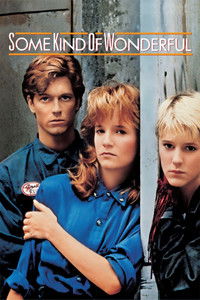
In this role, Thompson showcased her ability to embody the quintessential high school girl with depth and emotional resonance.
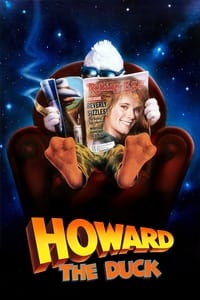
Thompson's performance brought a combination of humor and charm to a unique character in a cult classic.
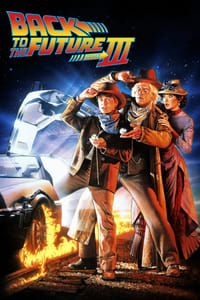
Thompson returned to her iconic role, further developing Lorraine's character in a different historical context.
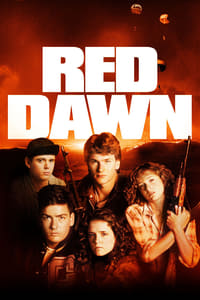
This early role highlighted Thompson's versatility and ability to perform in high-stakes situations.
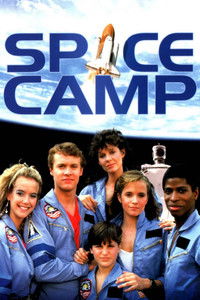
Thompson's role in this family adventure film showcased her talent for engaging younger audiences.
Corrections
Spotted something off, missing, or worth refining? Send a note. Updates happen through our pipeline after users engage.