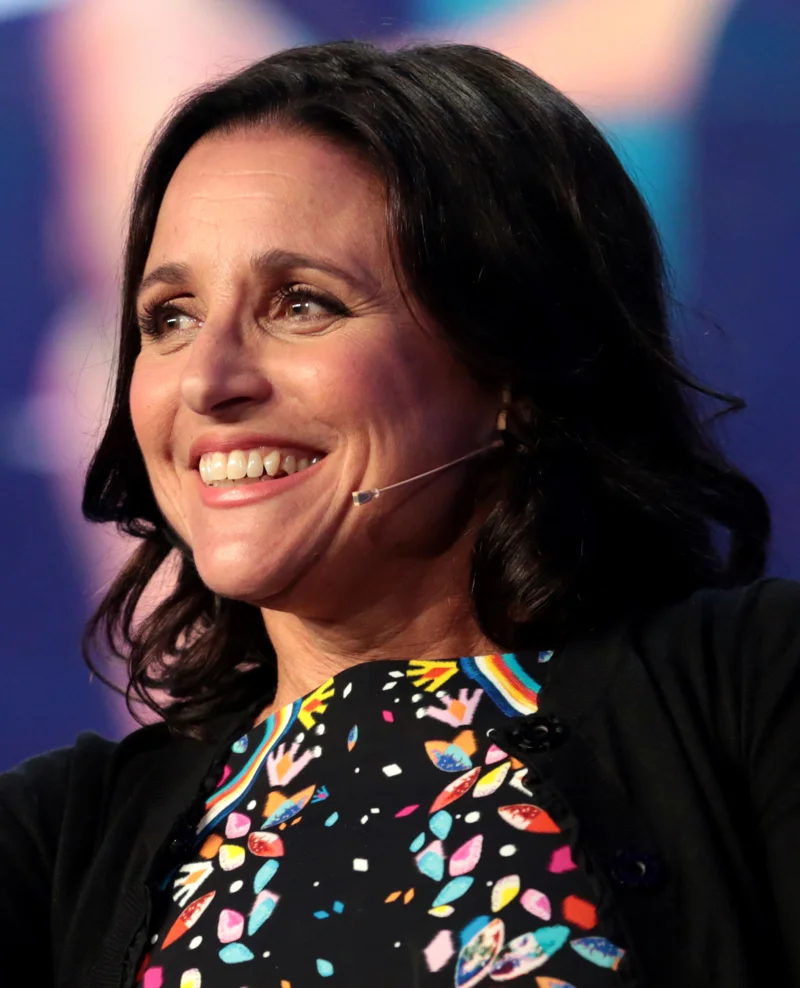
Photo: Gage Skidmore. Julia Louis-Dreyfus speaking at an event in Phoenix, Arizona. Portrait and adapted share image distributed under CC BY-SA 3.0. CC BY-SA 3.0. Portrait resized and converted; share image cropped with text added. See the source and license details below. Image credits
Intro
Julia Louis-Dreyfus has created several distinct comic identities across a long television career: Elaine Benes in Seinfeld, Christine Campbell in The New Adventures of Old Christine and Selina Meyer in Veep. Film work such as Enough Said offers a quieter counterpoint to those series. Her career is useful to explore comparatively, because the same performer can make social embarrassment, domestic insecurity and political ambition feel like very different comic engines.
Career snapshot
Her early work included Chicago improvisational comedy and Saturday Night Live, which she joined in 1982. The Television Academy's oral history explores that background and its place in her development as a performer. Seinfeld subsequently made Elaine a widely recognised character; later leading roles demonstrated that this success was not confined to one ensemble. The Academy inducted Louis-Dreyfus into its Hall of Fame in 2014. Its awards record lists eleven Emmys across acting and producing, a distinction worth retaining rather than describing all eleven as performance awards.
The entry point
Seinfeld is a rewarding starting point for her screen work. Elaine participates fully in the friends' arguments, misjudgments and competing priorities. A rewatch can focus on the transition from apparent confidence to irritation or embarrassment, and on how a reaction changes the rhythm of a conversation. The gallery dates the series to its 1989 premiere; that is a programme date rather than an assertion that every principal performer appeared in the pilot. The performance earned Louis-Dreyfus the supporting-actress comedy Emmy in 1996.
Screen identity and style
The New Adventures of Old Christine placed her at the centre of another comedy as Christine Campbell. She won the lead-actress comedy Emmy for that role in 2006. Comparing Christine with Elaine offers a straightforward way to see how a performer adjusts to a different character and a different position within an ensemble. Instead of treating a familiar face as a promise of the same jokes, look at what the character wants from the people around her and how the scene frustrates that wish.
Collaborations and patterns
For Veep, creator Armando Iannucci described an early meeting with Louis-Dreyfus that expanded into a long discussion of Selina Meyer's history and ambitions. In his Hall of Fame tribute, he emphasised her attention to the whole scene and episode, including suggestions that helped other cast members. That first-hand account gives practical context for the series' busy exchanges. Her character may dominate a room, but the comedy depends on what colleagues and staff do around her, and on the gap between a public presentation and the scramble behind it.
Era reflection
Enough Said, directed by Nicole Holofcener, changes the scale. Louis-Dreyfus plays Eva, a divorced massage therapist confronting her daughter's approaching departure for college. Eva begins a relationship with Albert, played by James Gandolfini, while a new friendship complicates her judgment of him. Searchlight's synopsis sets out a story about starting again and listening to the wrong information. Compared with Veep's institutional chaos, the film invites close attention to hesitation, small conversational mistakes and the difficulty of trusting a new relationship.
Legacy and rediscovery
These works offer a clear viewing route: an Elaine-centred Seinfeld episode, a sample of Old Christine, Veep and then Enough Said. The point is to compare performances rather than rank formats or assume that comedy has only one register. Iannucci's account is especially useful alongside the finished work because it describes collaboration rather than simply celebrating a star. The gallery preserves three major television milestones, with production artwork labelled by series and year. The film remains part of the written career guide even without a gallery image.
A career in pictures
Selected career milestones. Years identify the production or labeled milestone; recurring actors may join a series later. Artwork represents the production and may show other cast members. Select an image for a larger view.
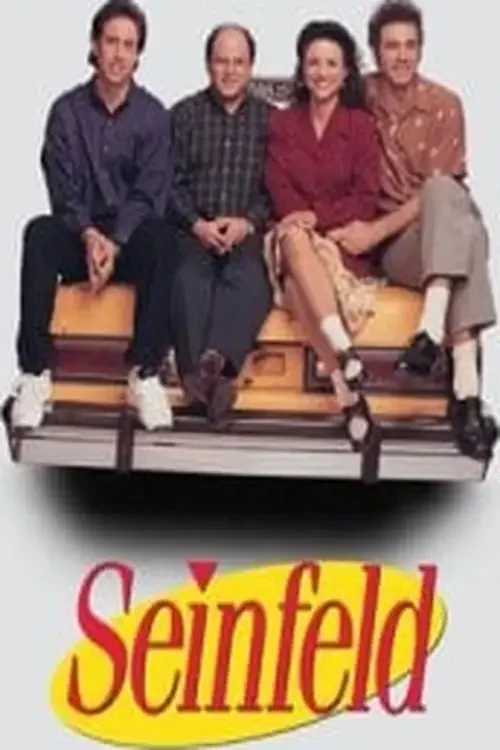
Seinfeld
Elaine Benes. Series premiere year; production artwork.
Production artwork from the DailyTimeCapsule archive. Image credits

The New Adventures of Old Christine
Christine Campbell. Lead role in the CBS comedy; production artwork.
Production artwork from the DailyTimeCapsule archive. Image credits
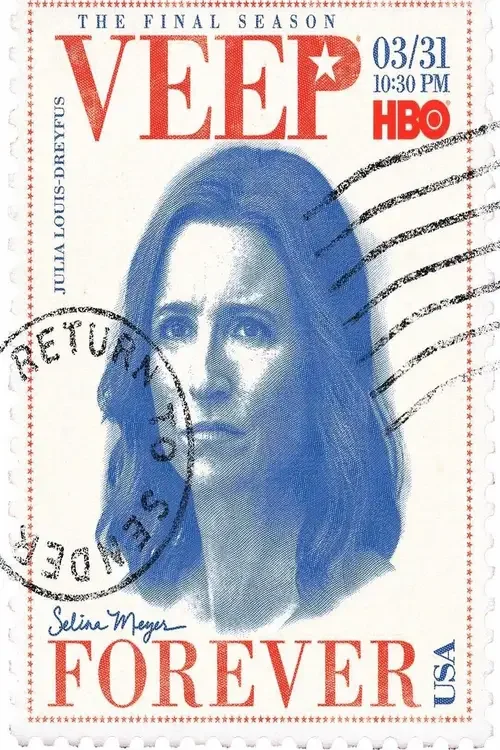
Veep
Selina Meyer. Political ensemble comedy created by Armando Iannucci.
Production artwork from the DailyTimeCapsule archive. Image credits
Rewatch notes
- Her eleven recorded Emmys include producing awards as well as acting awards.
- She entered the Television Academy Hall of Fame in 2014.
- Enough Said pairs her Eva with James Gandolfini's Albert.
Career highlights
Series premiere year; production artwork.
Lead role in the CBS comedy; production artwork.
Political ensemble comedy created by Armando Iannucci.
Sources and image credits
Portrait: Gage Skidmore
https://commons.wikimedia.org/wiki/File:Julia_Louis-Dreyfus_by_Gage_Skidmore.jpg
License: CC BY-SA 3.0 https://creativecommons.org/licenses/by-sa/3.0/
- Seinfeld — Production artwork from the DailyTimeCapsule archive.
https://www.televisionacademy.com/bios/julia-louis-dreyfus - The New Adventures of Old Christine — Production artwork from the DailyTimeCapsule archive.
https://www.televisionacademy.com/features/news/hall-fame/julia-louis-dreyfus-hall-fame-tribute - Veep — Production artwork from the DailyTimeCapsule archive.
https://www.televisionacademy.com/features/news/hall-fame/julia-louis-dreyfus-hall-fame-tribute
Reviewed September 28, 2026. Source references and image credits are listed below. This is a selected profile, not a complete credit list.
- Television Academy: Julia Louis-Dreyfus awards and biography
https://www.televisionacademy.com/bios/julia-louis-dreyfus - Armando Iannucci: Hall of Fame tribute
https://www.televisionacademy.com/features/news/hall-fame/julia-louis-dreyfus-hall-fame-tribute - Television Academy oral history interview
https://interviews.televisionacademy.com/interviews/julia-louis-dreyfus - Searchlight Pictures: Enough Said
https://www.searchlightpictures.com/enoughsaid - 20th Century Studios: Enough Said credits
https://www.20thcenturystudios.com/movies/enough-said - Commons: Gage Skidmore portrait provenance
https://commons.wikimedia.org/wiki/File:Julia_Louis-Dreyfus_by_Gage_Skidmore.jpg
Production artwork is reused from the DailyTimeCapsule archive. The imagery represents the production and may not depict this actor or their particular season. Portrait and share-photo attribution appears beneath the portrait.
Corrections: hello@dailytimecapsule.com