Intro
John Wayne's screen presence was characterized by a commanding physicality and a distinctive vocal delivery, which together created an iconic image of masculinity in American cinema. His performances transcended mere acting; they embodied a rugged individualism that resonated deeply with audiences.
Career snapshot
Wayne's early screen work preceded his leading role in Stagecoach (1939). His subsequent films include The Quiet Man (1952), The Searchers (1956), Rio Bravo (1959) and The Man Who Shot Liberty Valance (1962). True Grit (1969) and Rooster Cogburn (1975) present two appearances as the same lawman. Looking across those individual productions gives a clearer account of his career than reducing all of his characters to a single western persona.
The entry point
In 'Rooster Cogburn', Wayne reprised his role as the grizzled U.S. Marshal from 'True Grit'. This film allowed him to explore themes of redemption and resilience, showcasing his ability to bring depth to a character already beloved by audiences.
Screen identity and style
Wayne's technical style was marked by a strong, upright posture and deliberate movements, which conveyed authority and confidence. His vocal delivery, often gravelly and assertive, added layers to his characters, making them larger-than-life figures.
Collaborations and patterns
Throughout his career, Wayne frequently collaborated with directors like John Ford and Howard Hawks, who shaped his cinematic identity. He also starred alongside notable co-stars such as Maureen O'Hara and Jimmy Stewart, creating memorable on-screen chemistry.
Era reflection
Wayne's films often mirrored the social landscape of post-war America, reflecting themes of heroism, individualism, and national pride. His portrayals frequently challenged societal norms, presenting a complex view of masculinity during a time of great change.
Legacy and rediscovery
John Wayne's legacy is profound, influencing generations of actors with his embodiment of the American hero. His impact on the Western genre and his representation of masculinity continue to resonate in contemporary cinema, with many actors citing him as a foundational influence.
A career in pictures
Selected credits and production artwork. Artwork may show other cast members. Select an image for a larger view.
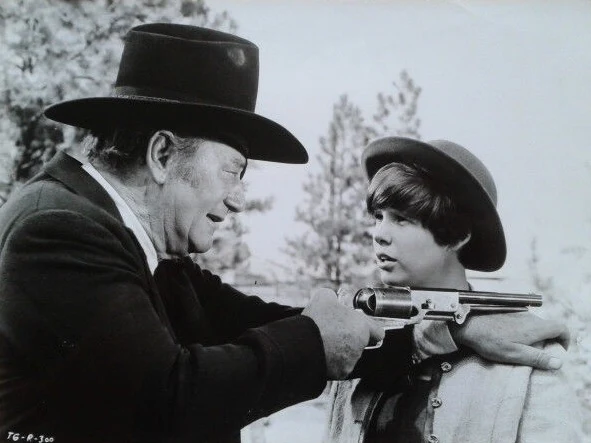
True Grit (1969)
Rooster Cogburn
Wayne plays U.S. Marshal Rooster Cogburn. The photograph shows Wayne with Kim Darby in the 1969 film. Publicity still distributed by Paramount Pictures; photographer unknown; public domain in the United States according to the source archive. Converted to WebP.
Image credits
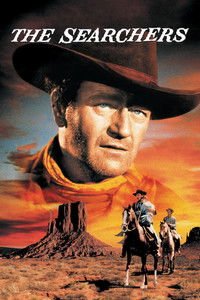
The Searchers (1956)
Ethan Edwards
This role showcased Wayne's ability to convey complex emotions and moral ambiguity, marking a significant shift in his on-screen persona.
Image credits
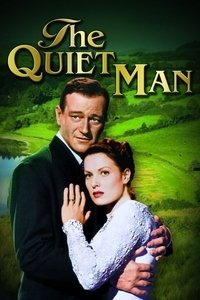
The Quiet Man (1952)
Sean Thornton
This film allowed Wayne to explore a romantic lead, displaying his charm and physicality in a different light.
Image credits
Sands of Iwo Jima (1949)
Sgt. John Stryker
Wayne's performance as a tough Marine leader became iconic, reflecting the patriotic spirit of the era.
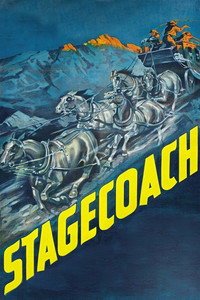
Stagecoach (1939)
Ringo Kid
This role was pivotal in establishing Wayne as a major star, showcasing his rugged heroism.
Image credits
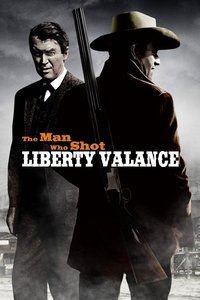
The Man Who Shot Liberty Valance (1962)
Tom Doniphon
In this film, Wayne's character grapples with the tensions between myth and reality in the American West.
Image credits
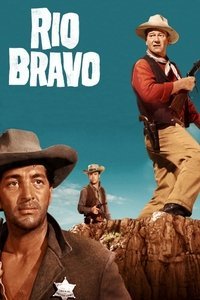
Rio Bravo (1959)
Sheriff John T. Chance
Wayne's performance exemplified his commitment to classic Western tropes while providing a unique interpretation of a lawman.
Image credits
Rewatch notes
- John Wayne plays Rooster Cogburn in True Grit (1969).
- John Wayne plays Ethan Edwards in The Searchers (1956).
- John Wayne plays Sean Thornton in The Quiet Man (1952).
- John Wayne plays Sgt. John Stryker in Sands of Iwo Jima (1949).
- John Wayne plays Ringo Kid in Stagecoach (1939).
- John Wayne plays Tom Doniphon in The Man Who Shot Liberty Valance (1962).
- John Wayne plays Sheriff John T. Chance in Rio Bravo (1959).
Sources and image credits
Portrait: Unknown photographer. Resized and converted to WebP. The share image uses a crop of the same photograph. Publicity portrait of John Wayne. Frank Driggs Collection.
https://commons.wikimedia.org/wiki/File:John_Wayne_-_still_portrait.jpg
Public domain (source archive classification) https://commons.wikimedia.org/wiki/File:John_Wayne_-_still_portrait.jpg#Licensing
Production artwork is retained from the existing Daily Time Capsule collection. Source references identify the images; they do not establish a new license.
- True Grit — https://commons.wikimedia.org/wiki/File:True_Grit_1969_still.jpg
- The Searchers — https://image.tmdb.org/t/p/w200/jLBmgW0epNzJ1N9uzaVCjbyT94v.jpg
- The Quiet Man — https://image.tmdb.org/t/p/w200/u3B1hVKHE56yBRoxF3Nk9uxHdYN.jpg
- Stagecoach — https://image.tmdb.org/t/p/w200/zgMnfnwWZ3nkx4t0bUDEKtW24O8.jpg
- The Man Who Shot Liberty Valance — https://image.tmdb.org/t/p/w200/4C1R0LEivLjbv3swAzJfzh0tzXl.jpg
- Rio Bravo — https://image.tmdb.org/t/p/w200/4gI4KKmoi0d3yfsF71YU3S0I5t8.jpg
Career and cast reference reviewed October 19, 2026
https://www.fandango.com/people/john-wayne-714177/film-credits
Cast or image reference reviewed October 19, 2026
https://commons.wikimedia.org/wiki/File:True_Grit_1969_still.jpg
John Wayne portrait: source, creator and reuse status
https://commons.wikimedia.org/wiki/File:John_Wayne_-_still_portrait.jpg
Corrections: hello@dailytimecapsule.com