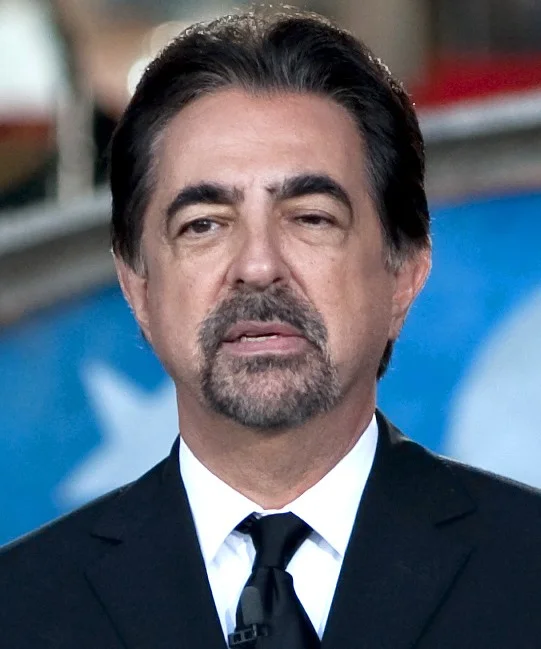
Photo: Department of Defense photo by U.S. Navy Mass Communication Specialist 1st Class Chad J. McNeeley. Joe Mantegna at the 2011 National Memorial Day Concert; cropped from the original photograph. Public domain (United States federal government work). Portrait resized and converted; share image cropped with text added. See the source and license details below. Image credits
Intro
Joe Mantegna is an American actor whose career connects Chicago theatre, feature films, television drama and animation. Many viewers know him as FBI profiler David Rossi in Criminal Minds; others recognise his voice as Fat Tony in The Simpsons. Those familiar roles sit alongside an extensive stage career and a long association with playwright and filmmaker David Mamet. The range is useful to keep in view: the same performer can anchor an ensemble investigation, carry a tightly written drama or create a comic character through voice alone.
Career snapshot
Mantegna's theatre work includes the Broadway musical Working and Mamet's Speed-the-Plow. His performance as Richard Roma in Glengarry Glen Ross earned the 1984 Tony Award for featured actor in a play. That stage achievement provides a starting point for understanding the film career that followed. Dialogue is often a contest in Mamet's work: a character can change the balance of a scene through a question, an interruption or an apparently casual remark. Watching Mantegna in this setting brings attention to language as action rather than merely information.
The entry point
Mantegna joined Criminal Minds as David Rossi in 2007, after the series' 2005 debut. Rossi supplies an experienced presence within the Behavioral Analysis Unit, and the role continued in Criminal Minds: Evolution. For a viewing comparison, notice how scenes of investigation alternate with exchanges among colleagues. A continuing series gives an actor room to establish habits gradually, so a short response can acquire meaning from earlier episodes. The gallery uses the original show's premiere year and later Evolution artwork; it does not suggest that Mantegna appeared in its first season.
Screen identity and style
The official biography places Searching for Bobby Fischer and The Godfather Part III among Mantegna's film highlights. These are useful companions because they ask the audience to follow different kinds of pressure and responsibility. His television work also includes a portrayal of Dean Martin in The Rat Pack and an Emmy-nominated performance in The Last Don. Taken together, the credits offer more than a single crime-drama identity. A career viewing sequence can move between family concerns, criminal worlds and a dramatisation of a public entertainer's life without treating the characters as interchangeable.
Collaborations and patterns
Mamet's House of Games, Homicide, Things Change and Redbelt form a substantial strand of Mantegna's film work. He also directed the screen adaptation of Lakeboat. This recurring collaboration spans different jobs and formats, extending beyond one successful stage role. Comparing the films can focus on what a character believes he understands, what another person is withholding and how a conversation alters that relationship. The pleasure of revisiting a performer across several works lies partly in recognising familiar tools while seeing them used for different dramatic purposes.
Era reflection
Television brought additional ensemble relationships. In Joan of Arcadia, Mantegna starred alongside Mary Steenburgen; The Starter Wife paired him with Debra Messing. His animation credits include Cars 2 as well as the recurring Simpsons role. Voice performance removes many of the physical signals available on camera, putting greater weight on phrasing and timing. Moving from a live-action episode to an animated appearance therefore makes a useful comparison, especially for listeners interested in how an actor can remain recognisable while working within very different visual styles.
Legacy and rediscovery
Mantegna's public work also includes hosting the National Memorial Day Concert, and the credited portrait on this page comes from the 2011 event. His official biography records a Hollywood Walk of Fame star in April 2011. A practical introduction to the career is to pair a Criminal Minds episode with a Mamet film, then add Joan of Arcadia or an animated performance. That selection connects the long-running television presence with theatre-derived dramatic work and comedy. It is a route through selected milestones, rather than a claim to cover every part of a broad career.
A career in pictures
Selected career milestones. Years identify the production or labeled milestone; recurring actors may join a series later. Artwork represents the production and may show other cast members. Select an image for a larger view.
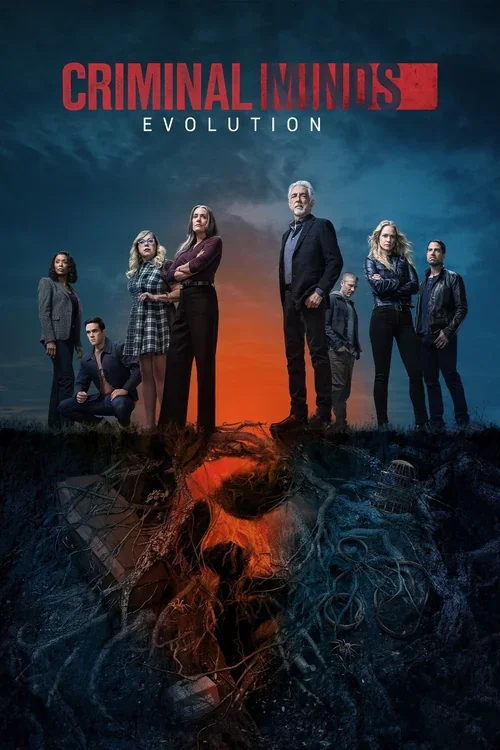
Criminal Minds
David Rossi, joining in 2007. Original series premiere year; the image is later Criminal Minds: Evolution artwork, not a 2005 cast photograph.
Production artwork from the DailyTimeCapsule archive. Image credits
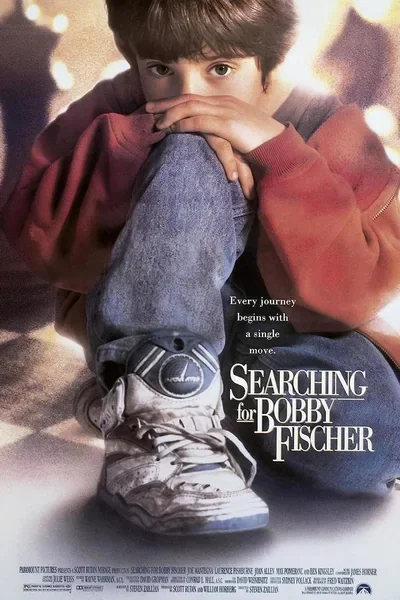
Searching for Bobby Fischer
Cast member. Feature-film career milestone.
Production artwork from the DailyTimeCapsule archive. Image credits

Joan of Arcadia
Series co-star. Ensemble drama with Mary Steenburgen.
Production artwork from the DailyTimeCapsule archive. Image credits
Rewatch notes
- Mantegna won the 1984 Tony Award for his performance in Glengarry Glen Ross.
- He joined Criminal Minds in 2007; the series itself began in 2005.
- The portrait was photographed at the 2011 National Memorial Day Concert.
Career highlights
Original series premiere year; the image is later Criminal Minds: Evolution artwork, not a 2005 cast photograph.
Feature-film career milestone.
Ensemble drama with Mary Steenburgen.
Tony-winning Broadway performance.
Sources and image credits
Portrait: Department of Defense photo by U.S. Navy Mass Communication Specialist 1st Class Chad J. McNeeley
https://commons.wikimedia.org/wiki/File:Joe_Mantegna_2011_(cropped).jpg
License: Public domain (United States federal government work) https://commons.wikimedia.org/wiki/File:Joe_Mantegna_2011_(cropped).jpg
- Criminal Minds — Production artwork from the DailyTimeCapsule archive.
https://www.paramountplus.com/shows/criminal_minds/ - Searching for Bobby Fischer — Production artwork from the DailyTimeCapsule archive.
https://joemantegna.com/joe-biography/ - Joan of Arcadia — Production artwork from the DailyTimeCapsule archive.
https://www.paramountpressexpress.com/cbs-entertainment/talent/?view=joe-mantegna
Reviewed September 28, 2026. Source references and image credits are listed below. This is a selected profile, not a complete credit list.
- Joe Mantegna: official biography
https://joemantegna.com/joe-biography/ - CBS: Joe Mantegna biography, July 2018
https://www.paramountpressexpress.com/cbs-entertainment/talent/?view=joe-mantegna - Tony Awards: 1984 winners
https://www.tonyawards.com/winners/year/1984/category/any/show/any/ - Paramount+: Criminal Minds
https://www.paramountplus.com/shows/criminal_minds/ - Los Angeles Times: Mantegna joins Criminal Minds, August 2007
https://www.latimes.com/archives/la-xpm-2007-aug-15-et-quick15.s2-story.html
Production artwork is reused from the DailyTimeCapsule archive. The imagery represents the production and may not depict this actor or their particular season. Portrait and share-photo attribution appears beneath the portrait.
Corrections: hello@dailytimecapsule.com