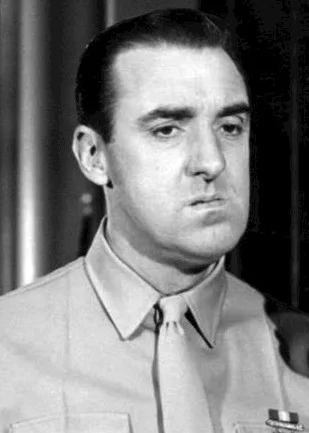
Photo: CBS Television. Jim Nabors as Gomer Pyle, cropped from a CBS publicity photograph with Frank Sutton dated May 3, 1968. Commons crop by TDKR Chicago 101. Resized and converted to WebP; share image uses a further crop. Commons records US publication without copyright notice. Public domain (US). Portrait resized and converted; share image cropped with text added. See the source and license details below. Image credits
Intro
Jim Nabors was an American actor, comedian and singer, born in Sylacauga, Alabama, on June 12, 1930. He died in Hawaii on November 30, 2017. Gomer Pyle became his signature television character, first in Mayberry and then in a Marine Corps comedy of his own. His singing career provides an equally important route into his work. A viewer who knows only Gomer's speaking voice encounters a different sound in Nabors's baritone performances. The two sides of his career developed together, rather than representing a simple switch from acting to music after television success.
Career snapshot
The Alabama Music Hall of Fame traces Nabors's musical interests to his school glee club and describes a cabaret act that combined comic monologues with operatic singing. Bill Dana helped introduce him to Steve Allen's television program; Andy Griffith later saw the act and offered him the part of Gomer Pyle. What began as a guest role grew into a regular character and then a spin-off. Nabors was a University of Alabama graduate before this television breakthrough. His path makes a useful reminder that a familiar screen persona can emerge from a live act with more than one kind of performance in it.
The entry point
Gomer Pyle, U.S.M.C. ran from 1964 to 1969, moving the character from The Andy Griffith Show into a military setting. Nabors's Gomer and Frank Sutton's Sergeant Carter form the central comic contrast. Watch how an instruction is delivered and how Gomer receives it: the misunderstanding often depends on timing and differing expectations rather than on a complicated action sequence. The portrait used here comes from a 1968 publicity photograph for the series. The gallery separately identifies the earlier Andy Griffith show, whose 1960 date is its launch year, not the year Nabors first appeared.
Screen identity and style
Gomer's trusting manner and distinctive speech made him immediately recognizable, but Nabors also performed outside that character. The Jim Nabors Hour, which began in 1969, used a variety-show format and included his Gomer Pyle colleagues Frank Sutton and Ronnie Schell among the regulars. Compare the demands of a sitcom scene with an appearance built around a song or sketch. A sitcom may depend on an established fictional relationship; a variety performance must often introduce its situation quickly and address an audience more directly. That contrast offers a practical way to appreciate Nabors beyond his best-known catchphrases.
Collaborations and patterns
The Lost Saucer supplied another setting in 1975. The Paley Center's record of the premiere credits Nabors as Fum and identifies the Sid and Marty Krofft production. Ruth Buzzi was his fellow performer in this children's science-fiction comedy. Its unusual characters and fantasy setting make it a useful comparison with the everyday places of the earlier sitcoms. Notice how costume, movement and the response of another performer help establish the character before the dialogue explains a situation. This is a viewing suggestion, not a claim that the different shows were made with the same audience or purpose in mind.
Era reflection
Nabors also became part of the Indianapolis 500's pre-race tradition. Indianapolis Motor Speedway records 36 performances of Back Home Again in Indiana between 1972 and 2014. His first invitation came while he was attending as a guest, and the Speedway recalls that he wrote unfamiliar lyrics on his hand. This association belongs to his singing career rather than to a fictional television role. It is a valuable companion to the screen work because the occasion asks for a direct musical performance in front of a large live crowd. The record does not imply that he sang at every race in that span.
Legacy and rediscovery
Nabors's work can be explored through three complementary paths: a Mayberry appearance, a Gomer Pyle episode and a musical performance. The Lost Saucer adds a later television collaboration, while his 2001 induction into the Alabama Music Hall of Fame recognizes the importance of music to the larger career. The local gallery represents selected productions and may show other cast members; the portrait depicts Nabors himself. Sources and credits remain on the page. The rewatch notes are editorial invitations to compare the performances, with the documented dates and roles kept distinct from those suggestions.
A career in pictures
Selected career milestones. Years identify the production or labeled milestone; recurring actors may join a series later. Artwork represents the production and may show other cast members. Select an image for a larger view.
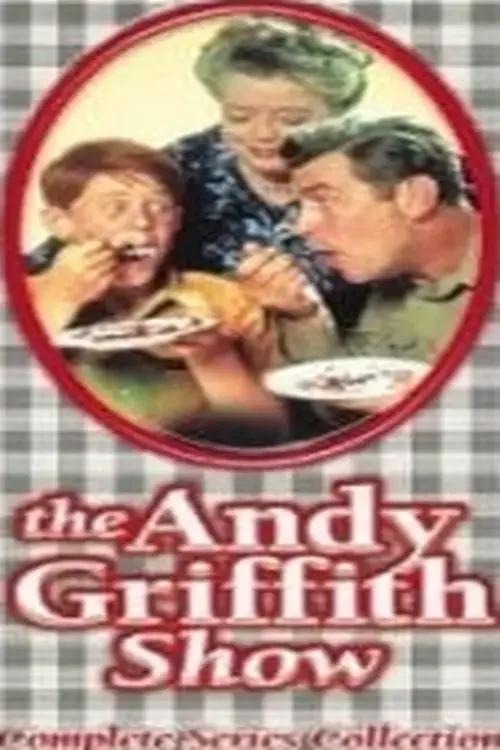
The Andy Griffith Show
Gomer Pyle. Series launch year; Nabors joined later as the Mayberry mechanic.
Production artwork from the DailyTimeCapsule archive. Image credits

Gomer Pyle, U.S.M.C.
Gomer Pyle. The spin-off ran from 1964 to 1969.
Production artwork from the DailyTimeCapsule archive. Image credits
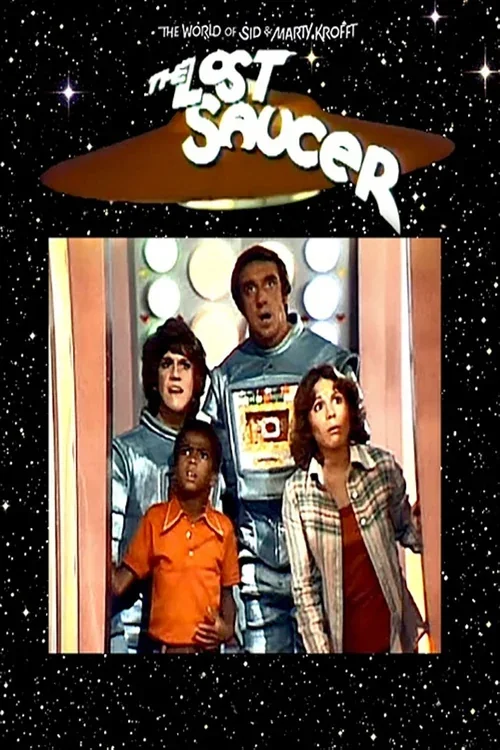
The Lost Saucer
Fum. Children's science-fiction comedy with Ruth Buzzi.
Production artwork from the DailyTimeCapsule archive. Image credits
Rewatch notes
- Nabors was inducted into the Alabama Music Hall of Fame in 2001.
- Indianapolis Motor Speedway records 36 pre-race performances by Nabors between 1972 and 2014.
- The Lost Saucer credits him as Fum.
Career highlights
Series launch year; Nabors joined later as the Mayberry mechanic.
The spin-off ran from 1964 to 1969.
Children's science-fiction comedy with Ruth Buzzi.
Sources and image credits
Portrait: CBS Television
https://commons.wikimedia.org/wiki/File:Jim_Nabors_1968.JPG
License: Public domain (US) https://commons.wikimedia.org/wiki/Template:PD-US-no_notice
- The Andy Griffith Show — Production artwork from the DailyTimeCapsule archive.
https://encyclopediaofalabama.org/article/jim-nabors/ - Gomer Pyle, U.S.M.C. — Production artwork from the DailyTimeCapsule archive.
https://www.indianapolismotorspeedway.com/news-multimedia/news/2017/11/30/beloved-indianapolis-500-icon-nabors-passes-away-2017 - The Lost Saucer — Production artwork from the DailyTimeCapsule archive.
https://www.paleycenter.org/collection/item?item=T%3A41580
Reviewed September 25, 2026. Source references and image credits are listed below. This is a selected profile, not a complete credit list.
- Alabama Music Hall of Fame: Jim Nabors biography
https://www.alamhof.org/jimnabors - Encyclopedia of Alabama: Jim Nabors
https://encyclopediaofalabama.org/article/jim-nabors/ - Indianapolis Motor Speedway: remembrance of Jim Nabors
https://www.indianapolismotorspeedway.com/news-multimedia/news/2017/11/30/beloved-indianapolis-500-icon-nabors-passes-away-2017 - Paley Center: The Lost Saucer premiere credits
https://www.paleycenter.org/collection/item?item=T%3A41580 - The Jim Nabors Hour: production history
https://en.wikipedia.org/wiki/The_Jim_Nabors_Hour - Wikimedia Commons: CBS portrait source and license
https://commons.wikimedia.org/wiki/File:Jim_Nabors_1968.JPG
Production artwork is reused from the DailyTimeCapsule archive. The imagery represents the production and may not depict this actor or their particular season. Portrait and share-photo attribution appears beneath the portrait.
Corrections: hello@dailytimecapsule.com