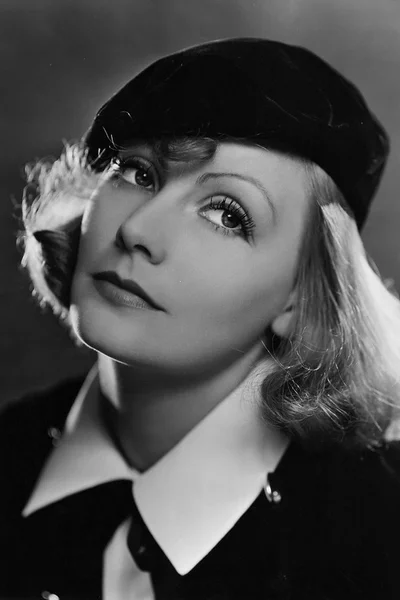
Images are provisional and may be updated.
Intro
Greta Garbo's screen presence was magnetic, characterized by a blend of mystique and emotional depth that captivated audiences. With her striking features and unique voice, she transcended the typical roles of her time, becoming an icon of both beauty and complexity. Garbo's ability to convey profound feelings with subtle gestures made her performances unforgettable.
Career snapshot
Beginning her career in silent films, Garbo quickly rose to prominence in the early 1930s, transitioning seamlessly to sound with her distinctive voice. Her combination of dramatic intensity and nuanced performances made her a defining figure in the Golden Age of Hollywood. By the late 1930s, she was at the height of her influence, becoming a symbol of sophistication and allure.
Anchor film context
In 'Ninotchka', Garbo deftly blended comedy with romance, showcasing her versatility as she stepped into a lighter role than her previous dramatic portrayals. The film marked her return to the screen after a brief hiatus and demonstrated her ability to adapt to different genres. Her character's transformation from a stern emissary to a woman in love highlighted Garbo's range and charm.
Screen identity and style
Garbo's technical style often involved a minimalistic approach, relying on subtle facial expressions and body language to convey emotions. Her vocal delivery was distinctive, marked by a rich, resonant tone that added depth to her characters. This combination of visual and vocal elements created a unique screen identity that resonated with audiences and influenced future generations of actors.
Collaborations and patterns
Throughout her career, Garbo worked with several notable directors, including Clarence Brown and George Cukor, who helped shape her performances. She also starred alongside esteemed actors like John Gilbert and Melvyn Douglas, creating memorable on-screen chemistry. These collaborations often resulted in films that were critically acclaimed and commercially successful.
Era reflection
Garbo's work reflected the complexities of the social landscape during the early to mid-20th century, particularly regarding gender roles and personal freedom. Her characters often challenged societal norms, embodying independence and emotional depth. In a time when women were often relegated to subordinate roles, Garbo's portrayals offered a new perspective on femininity and strength.
Legacy and rediscovery
Greta Garbo's impact on cinema is profound, influencing countless actors and filmmakers. Her ability to convey complex emotions with subtlety set a new standard for performance in film. Even decades after her last performance, her legacy continues to inspire, reminding audiences of the power of authenticity in storytelling.
Rewatch notes
- Garbo's silent film performances were marked by her expressive eyes and physicality, which translated well into the sound era.
- Her decision to retire from acting at the peak of her career has been a subject of fascination and speculation.
- Garbo was known to be quite reclusive, often shying away from public appearances, which added to her enigmatic persona.
- In 'Ninotchka', she famously declared, 'I want to be alone,' a line that encapsulated her complex relationship with fame.
- Garbo's costume in 'Ninotchka' was designed to reflect her character's transformation from a stern diplomat to a romantic figure.
- Her films often explored themes of love and loss, resonating deeply with audiences of her time and beyond.
- Garbo was one of the first actresses to successfully transition from silent films to talkies, showcasing her versatility.
- She was known for her strong work ethic, often immersing herself fully in her roles to achieve authenticity.
- Garbo's collaborations with renowned cinematographers helped create visually stunning films that emphasized her unique beauty.
- Her legacy as a fashion icon persists, with many of her looks from the 1930s still influencing modern styles.
Career highlights
Garbo's portrayal of a strong and independent monarch showcased her ability to embody complex characters.
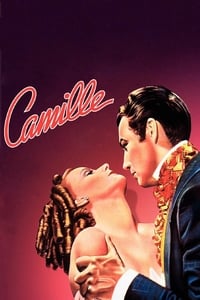
Her performance as a tragic courtesan is often regarded as one of her most emotional and compelling.
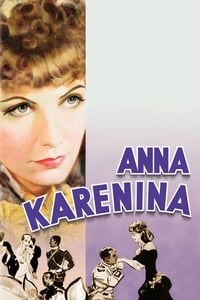
Garbo’s interpretation of the doomed heroine captured the essence of passion and despair.
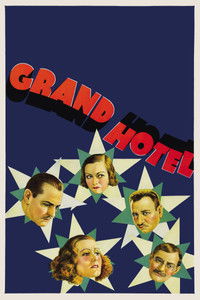
This ensemble piece allowed Garbo to shine alongside other stars, highlighting her unique screen presence.
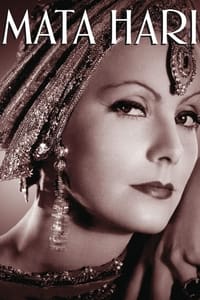
Her performance as the enigmatic spy solidified her status as a leading lady in Hollywood.

This role helped establish her as a versatile actress capable of portraying vulnerability and strength.
Corrections
Spotted something off, missing, or worth refining? Send a note. Updates happen through our pipeline after users engage.