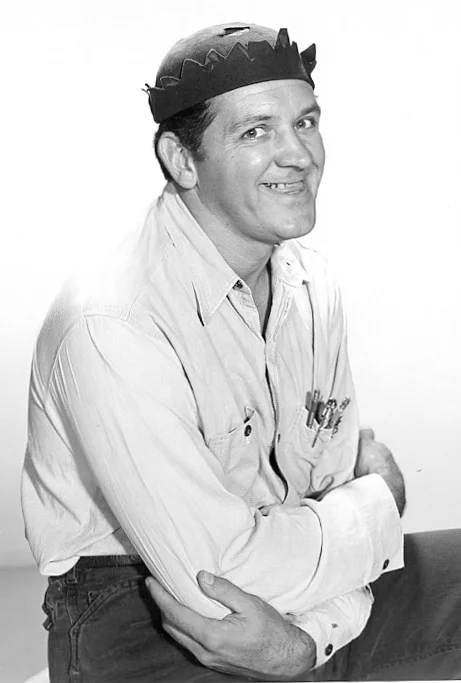
Photo: UPI Telephoto / CBS publicity. Goober portrait associated with Mayberry R.F.D. and a May 18, 1970 air date. Commons version cropped and converted to grayscale; local portrait resized and share image titled. Public domain in the United States (Commons: published without notice). Portrait resized and converted; share image cropped with text added. See the source and license details below. Image credits
Intro
George Lindsey was an American actor and comedian best remembered as garage mechanic Goober Pyle on The Andy Griffith Show and Mayberry R.F.D. His career also encompassed the country variety series Hee Haw, guest television performances, Disney films and animation. Goober supplied a familiar face and comic personality, but Lindsey's work extended beyond the small-town setting. His continuing connection to the University of North Alabama became another significant part of his legacy, through a film festival and a collection preserving his career materials.
Career snapshot
Lindsey graduated in 1952 from the institution now known as the University of North Alabama and played on its football team. The university's remembrance describes a performer who remained closely involved with his alma mater long after becoming nationally recognizable. He helped establish the George Lindsey UNA Film Festival in 1998. Shortly before his death on May 6, 2012, he returned to campus for the dedication of a theatre bearing his name. These institutional records give his biography a dimension beyond a list of screen appearances.
The entry point
Goober Pyle belongs to the everyday social world of Mayberry: the garage, the town's recurring acquaintances and the small misunderstandings that sustain a situation comedy. The role continued from The Andy Griffith Show into Mayberry R.F.D., allowing audiences to carry a familiar character into a different version of the series. When revisiting an episode, notice how Lindsey establishes Goober's reactions before the punch line arrives. The cap and work clothes offer immediate recognition, but the timing of a look or reply gives the character his place in the conversation.
Screen identity and style
Animation offered another way to use Lindsey's comic personality. Disney's reference records identify him as Lafayette in The Aristocats, Trigger in Robin Hood and Deadeye in The Rescuers. These are separate supporting characters, not animated versions of Goober. Listen to how his delivery fits each scene's rhythm and how the voice interacts with the other performers. A voice role removes the familiar costume and physical presence, making it easier to notice phrasing, emphasis and the musical quality of a comic exchange.
Collaborations and patterns
The Disney films place Lindsey among varied voice ensembles. The Aristocats pairs his Lafayette with Pat Buttram's Napoleon, while Robin Hood also includes Buttram alongside performers such as Phil Harris, Roger Miller and Peter Ustinov. In The Rescuers, Lindsey's Deadeye is one of the supporting swamp characters in the adventure led by Bernard and Bianca. His live-action Disney credits include Snowball Express, Charley and the Angel and Treasure of Matecumbe. Those productions offer a useful contrast between a character created through voice alone and one performed on camera.
Era reflection
Lindsey's career crosses several durable forms of popular entertainment: the recurring sitcom character, country variety comedy and the animated feature's supporting ensemble. Each asks for a different scale of performance. A short comic bit must register quickly; a regular character can build meaning through years of familiarity. The portrait on this page is a publicity image connected with Mayberry R.F.D. in 1970. It is presented as an image of Lindsey in his recognizable role, while the gallery artwork identifies productions and may picture other members of their casts.
Legacy and rediscovery
A compact viewing tour can begin in Mayberry, move to one of Lindsey's animated roles and then sample a live-action film. The contrast reveals more than repeating the same Goober moments. His off-screen legacy is also unusually tangible: the university's digital archive preserves memorabilia relating both to his life and to the film festival. This selected biography offers editorial rewatch suggestions and credited images rather than an exhaustive list of appearances. Series dates in the gallery identify the production's debut, not a claim that Lindsey appeared in every season or episode.
A career in pictures
Selected career milestones. Years identify the production or labeled milestone; recurring actors may join a series later. Artwork represents the production and may show other cast members. Select an image for a larger view.
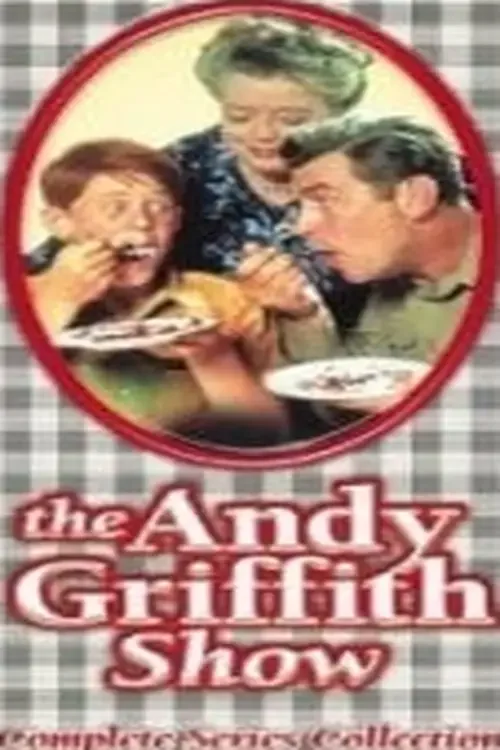
The Andy Griffith Show
Goober Pyle. Series premiere year; Lindsey joined later in the show's run.
Production artwork from the DailyTimeCapsule archive. Image credits
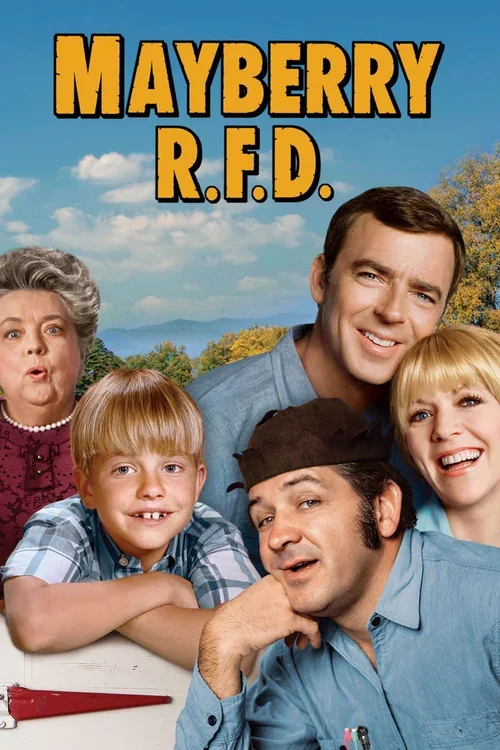
Mayberry R.F.D.
Goober Pyle. Continuation of the familiar character in the successor series.
Production artwork from the DailyTimeCapsule archive. Image credits
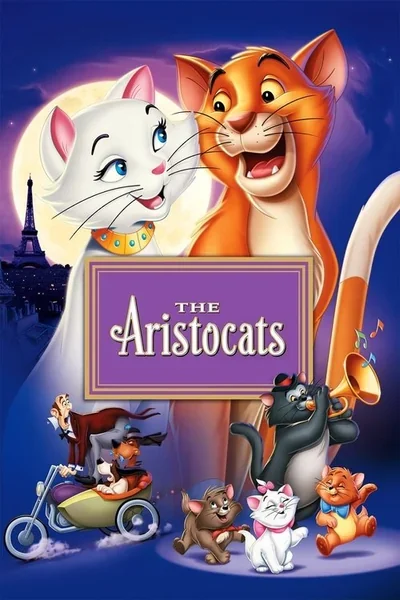
The Aristocats
Voice of Lafayette. Supporting comic voice opposite Pat Buttram's Napoleon.
Production artwork from the DailyTimeCapsule archive. Image credits
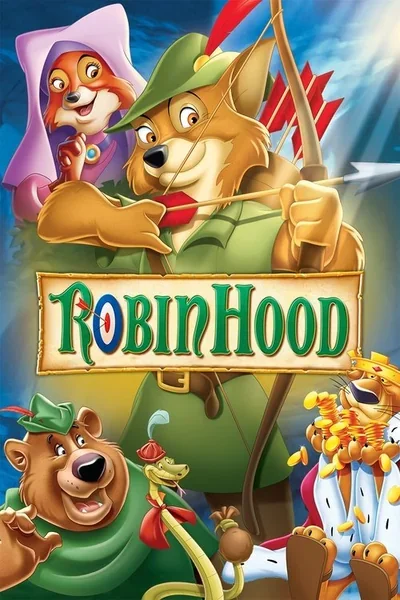
Robin Hood
Voice of Trigger. Disney's animated interpretation, distinct from live-action versions.
Production artwork from the DailyTimeCapsule archive. Image credits
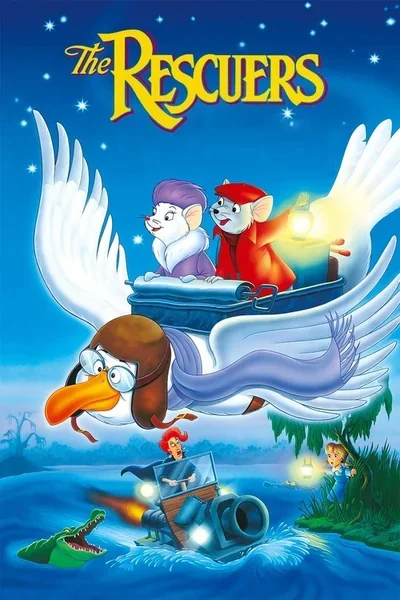
The Rescuers
Voice of Deadeye. The rabbit among the supporting swamp characters; original feature, not its sequel.
Production artwork from the DailyTimeCapsule archive. Image credits
Rewatch notes
- Goober continued from The Andy Griffith Show into Mayberry R.F.D.
- Lindsey voiced Lafayette, Trigger and Deadeye in three different Disney features.
- The George Lindsey UNA Film Festival began in 1998.
Career highlights
Series premiere year; Lindsey joined later in the show's run.
Continuation of the familiar character in the successor series.
Supporting comic voice opposite Pat Buttram's Napoleon.
Disney's animated interpretation, distinct from live-action versions.
The rabbit among the supporting swamp characters; original feature, not its sequel.
Sources and image credits
Portrait: UPI Telephoto / CBS publicity
https://commons.wikimedia.org/wiki/File:George_Lindsey_1970.JPG
License: Public domain in the United States (Commons: published without notice) https://commons.wikimedia.org/wiki/File:George_Lindsey_1970.JPG
- The Andy Griffith Show — Production artwork from the DailyTimeCapsule archive.
https://www.una.edu/pressroom/2012/05/una-community-mourns-passing-of-actor-george-lindsey.html - Mayberry R.F.D. — Production artwork from the DailyTimeCapsule archive.
https://www.una.edu/pressroom/2012/05/una-community-mourns-passing-of-actor-george-lindsey.html - The Aristocats — Production artwork from the DailyTimeCapsule archive.
https://d23.com/a-to-z/aristocats-the-film/ - Robin Hood — Production artwork from the DailyTimeCapsule archive.
https://d23.com/a-to-z/robin-hood-film/ - The Rescuers — Production artwork from the DailyTimeCapsule archive.
https://d23.com/a-to-z/rescuers-the-film/
Reviewed September 19, 2026. Source references and image credits are listed below. This is a selected profile, not a complete credit list.
- University of North Alabama: Remembering George Lindsey
https://www.una.edu/pressroom/2012/05/una-community-mourns-passing-of-actor-george-lindsey.html - Disney D23: George Lindsey's film and voice roles
https://d23.com/a-to-z/lindsey-george/ - UNA Digital Archives: George Lindsey Collection
https://roar.una.edu/lindsey_collection/ - Disney D23: The Aristocats
https://d23.com/a-to-z/aristocats-the-film/ - Disney D23: Robin Hood
https://d23.com/a-to-z/robin-hood-film/ - Disney D23: The Rescuers
https://d23.com/a-to-z/rescuers-the-film/ - Wikimedia Commons: Goober publicity portrait provenance
https://commons.wikimedia.org/wiki/File:George_Lindsey_1970.JPG
Production artwork is reused from the DailyTimeCapsule archive. The imagery represents the production and may not depict this actor or their particular season. Portrait and share-photo attribution appears beneath the portrait.
Corrections: hello@dailytimecapsule.com