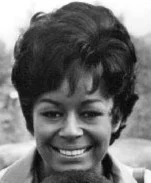
Photo: CBS Television. Gail Fisher as Peggy Fair, 1970 publicity portrait; existing Commons crop. Public domain in the United States (no notice). Portrait resized and converted; share image cropped with text added. See the source and license details below. Image credits
Intro
Gail Fisher was an American actress whose performance as Peggy Fair in Mannix earned major television awards and helped expand the roles available to Black women on prime-time television. She brought professional training and theatre experience to the detective series. Its weekly mysteries remain the most accessible introduction to her work, but the story begins before Peggy and continues beyond the program's cancellation. Her career connects New York acting institutions, early television appearances and a landmark recurring dramatic role.
Career snapshot
Fisher graduated from the American Academy of Dramatic Arts in 1958. The school's account describes a New Jersey student whose senior play helped direct her toward acting. Encouraged by public-relations specialist Moss Kendrix, she entered a Coca-Cola contest and won a scholarship to the Academy. Further training with Lee Strasberg followed graduation. That preparation provides an important context for the television breakthrough: she arrived with experience in an established acting tradition, rather than simply becoming a recognizable face through a single casting decision.
The entry point
She joined Mannix in its second season in 1968 and remained through 1975. The format had changed: Joe Mannix left a detective firm to work independently, with Peggy Fair as his secretary. Peggy was also a police officer's widow, giving the character a life and history beyond the office. For a rewatch, pay attention to the exchanges that establish familiarity between Peggy and Mannix. Those scenes offer a different rhythm from the investigations and action, making the continuing relationship an important part of the series' appeal.
Screen identity and style
The Golden Globes' retrospective records Fisher's own view that Peggy helped viewers see Black people as ordinary, fully realized people on television. That is a useful way to approach the performance. Instead of treating every appearance only as an historical milestone, look at how a recurring character becomes familiar through conversation, work and personal concern. The role's visibility mattered, but so did its continuity: audiences returned to someone with an established place in the show's world, rather than meeting an isolated guest character.
Collaborations and patterns
Before Mannix, Fisher worked at the Repertory Theatre at Lincoln Center with Elia Kazan and Herbert Blau. Blau cast her in Danton's Death in 1965. Her early screen work included the short film The New Girl, set in an office undergoing integration, and a national All detergent commercial. These assignments span stage, advertising and dramatic screen work. They help explain why a career guide should retain the years of preparation alongside the award-winning television role, even when those earlier performances are less readily available to modern viewers.
Era reflection
Mannix brought Fisher the supporting dramatic actress Emmy in 1970, the first win in that category by a Black woman. The Television Academy lists further nominations in 1971, 1972 and 1973. The Golden Globes honored the same performance in two categories: supporting television actress in 1971 and television drama actress in 1973. The latter was another first for a Black woman. Those distinctions are specific achievements, not interchangeable award labels; they show the breadth of recognition that one sustained television performance received.
Legacy and rediscovery
Fisher's other television work included guest appearances in My Three Sons and Room 222, and later credits in Fantasy Island, Knight Rider and The White Shadow. She died in 2000. Mannix remains the central work through which to rediscover her, while those guest roles demonstrate a career beyond its regular ensemble. A useful viewing path is to begin with Peggy's arrival in the second season, then compare a later episode. The character's growing familiarity allows viewers to consider both the craft of a recurring performance and its place in television history.
A career in pictures
Selected career milestones. Years identify the production or labeled milestone; recurring actors may join a series later. Artwork represents the production and may show other cast members. Select an image for a larger view.

Mannix
Peggy Fair; joined in season two. The year marks Fisher's arrival; the series itself premiered in 1967.
Production artwork from the DailyTimeCapsule archive. Image credits

My Three Sons
Guest performer during the series run. Series premiere year, not Fisher's appearance date. The Academy confirms her guest work.
Production artwork from the DailyTimeCapsule archive. Image credits
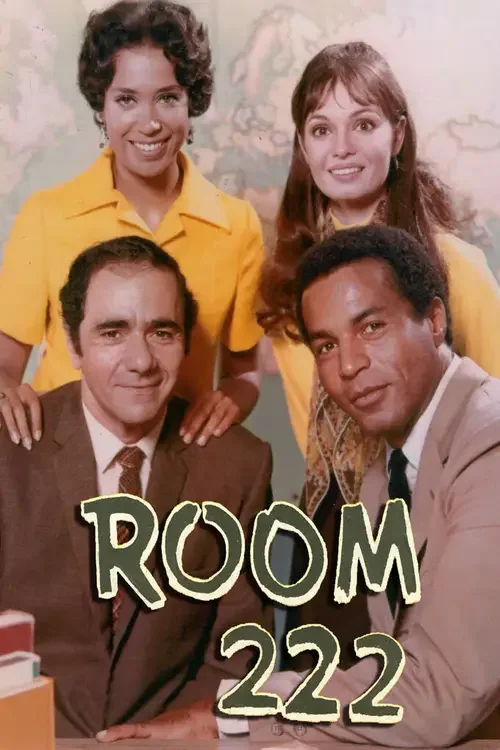
Room 222
Guest performer during the series run. Series premiere year; production artwork provides context for her guest television work.
Production artwork from the DailyTimeCapsule archive. Image credits
Rewatch notes
- Fisher was an American Academy of Dramatic Arts graduate of 1958.
- Her Mannix Emmy record consists of one win and four nominations overall.
- Her 1971 and 1973 Golden Globes recognized different television acting categories.
Career highlights
The year marks Fisher's arrival; the series itself premiered in 1967.
Series premiere year, not Fisher's appearance date. The Academy confirms her guest work.
Series premiere year; production artwork provides context for her guest television work.
Sources and image credits
Portrait: CBS Television
https://commons.wikimedia.org/wiki/File:Gail_Fisher_Mark_Stewart_Mannix_1970_(cropped).JPG
License: Public domain in the United States (no notice) https://commons.wikimedia.org/wiki/Template:PD-US-no_notice
- Mannix — Production artwork from the DailyTimeCapsule archive.
https://www.televisionacademy.com/bios/gail-fisher - My Three Sons — Production artwork from the DailyTimeCapsule archive.
https://www.televisionacademy.com/bios/gail-fisher - Room 222 — Production artwork from the DailyTimeCapsule archive.
https://www.televisionacademy.com/bios/gail-fisher
Reviewed September 26, 2026. Source references and image credits are listed below. This is a selected profile, not a complete credit list.
- Television Academy: biography and Emmy record
https://www.televisionacademy.com/bios/gail-fisher - American Academy of Dramatic Arts: Gail Fisher
https://www.aada.edu/article/academy-trailblazers-gail-fisher - Golden Globes: Fisher's breakthrough
https://goldenglobes.com/articles/1973-the-breakthrough-of-gail-fisher/ - CBS portrait provenance
https://commons.wikimedia.org/wiki/File:Gail_Fisher_Mark_Stewart_Mannix_1970_(cropped).JPG
Production artwork is reused from the DailyTimeCapsule archive. The imagery represents the production and may not depict this actor or their particular season. Portrait and share-photo attribution appears beneath the portrait.
Corrections: hello@dailytimecapsule.com