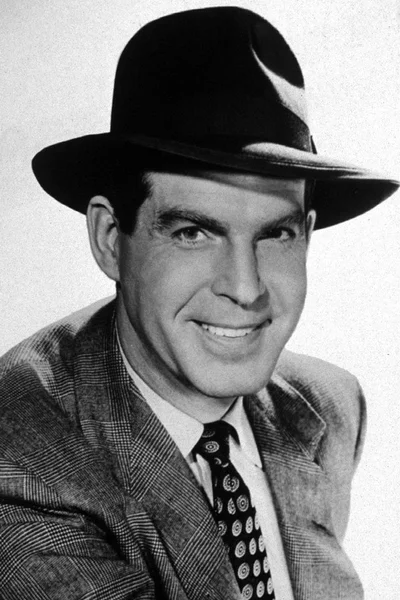
Images are provisional and may be updated.
Intro
Fred MacMurray was a versatile actor whose screen presence combined charm, wit, and a touch of vulnerability, making him a staple in both comedic and dramatic roles. His performances often brought a relatable humanity to complex characters, endearing him to audiences across generations.
Career snapshot
MacMurray's career began in the late 1930s, where he quickly transitioned from supporting roles to leading man status. He gained fame in the 1940s with standout performances in film noir and romantic comedies, reaching his peak during the 1950s and 60s when he became a household name in family films and television.
Anchor film context
In 'The Absent-Minded Professor,' MacMurray playfully embodies the eccentric professor, blending his comedic talents with a heartfelt narrative. This role exemplifies his capacity to engage audiences with both humor and sincerity, making it a memorable part of his filmography.
Screen identity and style
MacMurray's technical style often involved a relaxed yet assertive body language, paired with a warm vocal delivery that conveyed both confidence and vulnerability. His ability to effortlessly transition between light-hearted banter and serious moments allowed him to create multifaceted characters.
Collaborations and patterns
Throughout his career, MacMurray frequently collaborated with notable directors such as Billy Wilder and co-stars like Barbara Stanwyck and Jack Lemmon. These partnerships often resulted in iconic performances that left a lasting impact on the film industry.
Era reflection
MacMurray's body of work reflected the evolving social landscape of mid-20th century America, often tackling themes of morality, love, and ambition. His roles ranged from the charming everyman to morally complex characters, mirroring the changes in societal values during that era.
Legacy and rediscovery
Fred MacMurray's legacy is marked by his ability to transcend genres, influencing future generations of actors with his versatility and charm. His contributions to cinema, particularly in the realm of comedy and drama, continue to resonate with audiences and inspire performers today.
Rewatch notes
- MacMurray's relaxed demeanor and approachable charm made him a favorite among family audiences.
- He often played characters that were both likable and flawed, adding depth to his performances.
- In 'Double Indemnity,' his portrayal of Walter Neff became a defining example of the film noir anti-hero.
- MacMurray's comedic timing was often complemented by his physicality, enhancing his roles in romantic comedies.
- He was known for his ability to convey a range of emotions with subtle facial expressions.
- In 'The Caine Mutiny,' his performance was a departure from his usual roles, showcasing his dramatic range.
- MacMurray had a successful career in television, notably starring in the long-running series 'My Three Sons.'
- His voice was characterized by a smooth, resonant quality, making him a sought-after actor for both film and radio.
- MacMurray's collaborations with Billy Wilder often produced critically acclaimed films that are now considered classics.
- He maintained a relatively private personal life, contrasting with the public personas of many of his contemporaries.
Career highlights

MacMurray's portrayal of a morally ambiguous insurance salesman helped define the film noir genre.
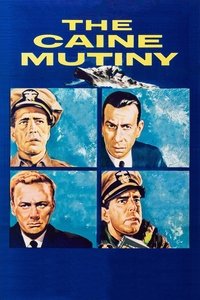
His performance as a troubled captain showcased his range beyond light comedy into dramatic intensity.
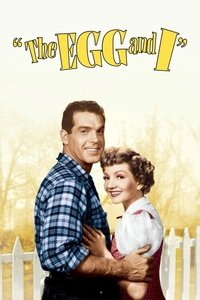
This role solidified his status as a leading man in comedy, balancing charm with comedic timing.

MacMurray's role as a manipulative executive added a layer of complexity to the film's themes of love and betrayal.
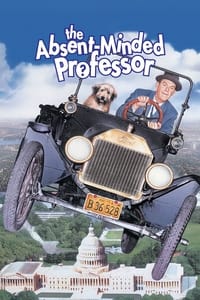
This character highlighted MacMurray's ability to blend humor and heart, making him a beloved figure in family entertainment.
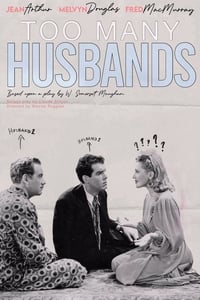
His comedic timing and chemistry with co-stars made this film a delightful romantic comedy.

In this crime thriller, MacMurray's performance added depth to a classic film noir narrative.
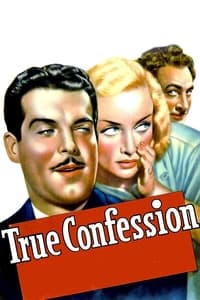
This early role showcased his knack for comedy and set the stage for his future success.
Corrections
Spotted something off, missing, or worth refining? Send a note. Updates happen through our pipeline after users engage.