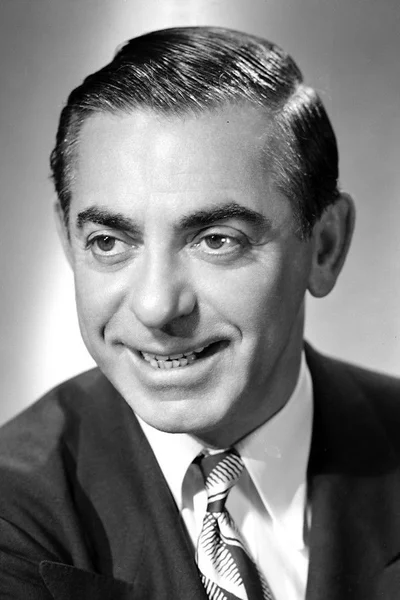
Images are provisional and may be updated.
Intro
Eddie Cantor was a vibrant and dynamic performer known for his infectious enthusiasm and unique comedic style. His screen presence was characterized by a blend of energetic physicality and an expressive vocal delivery, making him a beloved figure in early Hollywood musicals.
Career snapshot
Cantor's career began in vaudeville before transitioning to film, where he quickly became one of the most popular entertainers of the 1930s. His ability to connect with audiences through both comedy and music positioned him at the forefront of the musical genre during this era.
Anchor film context
In 'Strike Me Pink', Cantor's role is a showcase of his comedic talents and musical abilities, contributing significantly to the light-hearted nature of the film. His character embodies the charm and vivacity that audiences had come to expect from him, reinforcing his established persona.
Screen identity and style
Cantor was known for his expressive body language, often utilizing exaggerated gestures to enhance comedic effect. His vocal style, marked by a distinct timbre and pitch, engaged audiences and added a unique flavor to his musical numbers.
Collaborations and patterns
Throughout his career, Cantor frequently worked with prominent figures in the industry, including directors known for their musical films. His collaborations with other entertainers also enriched his performances, often resulting in memorable on-screen chemistry.
Era reflection
Eddie Cantor's work often mirrored the optimism of the 1930s, providing audiences with much-needed laughter during challenging times. His performances both celebrated and critiqued societal norms, often incorporating themes of resilience and joy.
Legacy and rediscovery
Cantor's influence can be seen in the works of later comedians and musical performers who embraced a similar blend of humor and song. His pioneering contributions to the genre helped shape the landscape of American musical cinema.
Rewatch notes
- Cantor was known for his signature catchphrase, which resonated with audiences and became a part of his brand.
- His performances often included elaborate dance numbers that showcased his agility and stage presence.
- Eddie's facial expressions were pivotal in conveying comedic timing, often turning simple gestures into laugh-out-loud moments.
- Throughout his career, Cantor maintained a strong connection with his audience, often breaking the fourth wall during performances.
- He was one of the first entertainers to successfully transition from stage to screen, setting a precedent for future stars.
- Cantor's musical style included elements of jazz and blues, reflecting the broader cultural shifts of the 1930s.
- His popularity extended beyond film; he was also a successful radio personality, further solidifying his celebrity.
- In several films, Cantor employed a mix of sentimental ballads and upbeat numbers, showcasing his versatility.
- He often collaborated with top songwriters of his day, which contributed to the memorable tunes associated with his films.
- Cantor's influence can be seen in the works of later comedians, including those who embraced a similar approach to musical comedy.
Career highlights
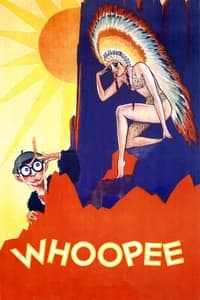
Cantor's vibrant energy and comedic timing made this film a landmark in musical comedy.
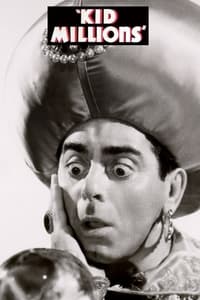
His performance showcased a blend of slapstick and song, solidifying his status as a leading comedic figure.
Corrections
Spotted something off, missing, or worth refining? Send a note. Updates happen through our pipeline after users engage.