Images are provisional and may be updated.
Intro
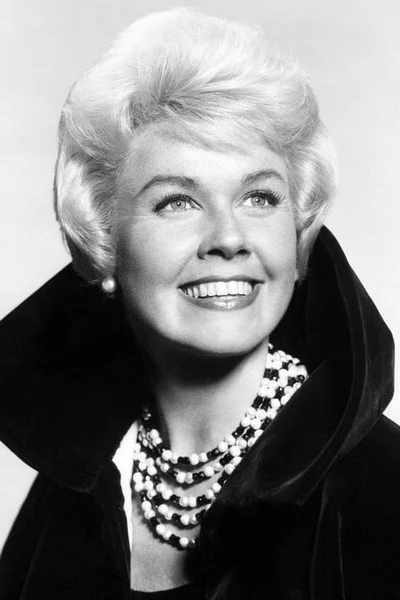
Doris Day's screen presence was characterized by her radiant charm and a unique blend of innocence and vivacity. She embodied an idealized femininity that resonated with audiences, making her one of the most beloved actresses of her time. Her performances often combined humor with a genuine emotional core, allowing viewers to connect deeply with her characters.
Career snapshot
Day's career began in the late 1930s as a big band singer before transitioning to film in the 1940s. She quickly became a star in the 1950s, with a series of successful romantic comedies and musicals that showcased her talents. By the 1960s, she was a household name, recognized for her ability to bring warmth and wit to her roles.
Anchor film context
In 'Lover Come Back', Doris Day plays a successful advertising executive, further establishing her as a relatable and empowered female lead during a time when such roles were still emerging. Her performance in this film is indicative of her ability to navigate complex characters while maintaining her signature charm and humor.
Screen identity and style
Day's technical style often included a bright, clear vocal delivery complemented by expressive body language. She skillfully used her physicality to enhance comedic moments, while her facial expressions conveyed a range of emotions from joy to vulnerability. This combination made her performances feel authentic and engaging.
Collaborations and patterns
Throughout her career, Doris Day frequently collaborated with director Michael Gordon and co-star Rock Hudson, creating a successful partnership that defined several iconic films of the era. Their chemistry became a hallmark of romantic comedies in the 1950s and 1960s.
Era reflection
Doris Day's roles often reflected the evolving social landscape, portraying women who were independent yet still engaged in traditional romantic narratives. She balanced the expectations of the time with a modern sensibility, challenging stereotypes while also embracing certain feminine ideals.
Legacy and rediscovery
Doris Day left an indelible mark on cinema, inspiring generations of actresses with her blend of strength and vulnerability. Her contributions to film and music continue to resonate, influencing the portrayal of women in Hollywood and shaping the romantic comedy genre for years to come.
Rewatch notes
- Doris Day was originally a singer before becoming an actress, which greatly influenced her roles in musicals.
- Her role in 'Pillow Talk' was pivotal in establishing the format of the romantic comedy genre.
- Day was known for her ability to improvise, often bringing a natural spontaneity to her performances.
- She starred in numerous films alongside Rock Hudson, creating a memorable on-screen partnership.
- Day's musical talents were showcased in several films, where she performed her own songs.
- Her character in 'Calamity Jane' was based on a real historical figure, adding depth to her portrayal.
- Doris Day was nominated for an Academy Award, highlighting her dramatic acting capabilities.
- She often played characters who were strong and independent, reflecting the changing roles of women in society.
- Her comedic timing was often complemented by her expressive facial expressions and body language.
- Doris Day's legacy includes her dedication to animal welfare, which she pursued after her acting career.
Career highlights
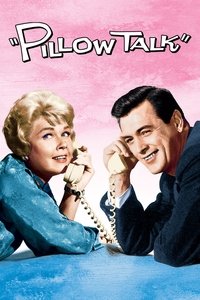
This role showcased her comedic timing and chemistry with Rock Hudson, contributing to the film's status as a classic romantic comedy.

Her dynamic performance in this musical highlighted her singing talents and brought a vibrant energy to the film.

Day's portrayal of the iconic frontier woman blended humor and strength, solidifying her status as a leading lady in Hollywood.
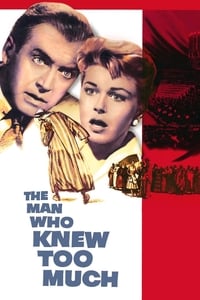
In Alfred Hitchcock's thriller, her performance added depth to the suspense, proving her versatility beyond romantic roles.
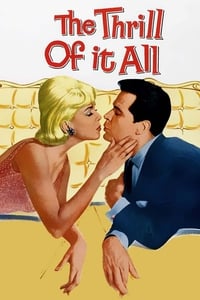
This film reinforced her appeal as the quintessential American housewife navigating the complexities of love and career.
Corrections
Spotted something off, missing, or worth refining? Send a note. Updates happen through our pipeline after users engage.