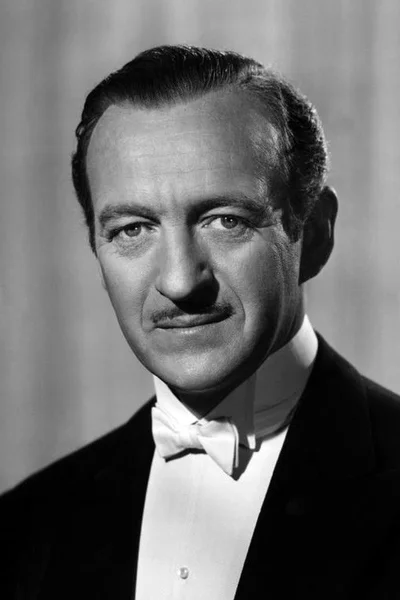
Images are provisional and may be updated.
Intro
David Niven's screen presence is characterized by his effortless charm and sophistication, often embodying the quintessential English gentleman. His performances exuded a unique blend of humor and gravitas, making him a beloved figure in classic cinema. With an engaging smile and a twinkle in his eye, he captivated audiences and brought depth to the characters he portrayed.
Career snapshot
Niven began his career in the early 1930s, with a focus on stage work before transitioning to film. His early roles often showcased his comedic talents, but he soon found success in dramatic roles during and after World War II. By the late 1950s, Niven had firmly established himself as a leading man, known for his versatility across various genres.
Anchor film context
In 'Around the World in 80 Days', Niven played the iconic role of Phileas Fogg, a character whose determination and adventurous spirit aligned perfectly with Niven's own charismatic screen persona. His performance was pivotal in driving the film's narrative, as he navigated a globe-spanning journey filled with challenges and encounters. Niven's ability to convey both seriousness and light-heartedness added depth to the film's whimsical adventures.
Screen identity and style
Niven's technical style was marked by a sophisticated use of language and a commanding presence that drew viewers in. His body language often reflected a blend of confidence and vulnerability, allowing for a wide emotional range. His vocal delivery was smooth and distinct, often laced with a touch of irony, which became a signature aspect of his performances.
Collaborations and patterns
Throughout his career, Niven worked with several notable directors, including David Lean and Stanley Donen, who recognized his talent for both drama and comedy. He shared the screen with acclaimed co-stars such as Deborah Kerr and Ava Gardner, forming memorable partnerships that enhanced the films' narratives. These collaborations often resulted in timeless classics that remain beloved today.
Era reflection
Niven's work mirrored the social landscape of his time, often providing a comforting yet critical lens on post-war society. His characters frequently navigated themes of love, loss, and resilience, reflecting the complexities of human experience during a period of significant change. Niven's blend of humor and seriousness resonated with audiences who sought both entertainment and deeper meaning.
Legacy and rediscovery
David Niven's long-term impact on cinema is evident in the way he influenced subsequent generations of actors. His ability to seamlessly transition between comedy and drama set a standard for versatility that many aspire to. Niven's legacy also includes his contributions to the art of storytelling on screen, as he brought a distinct charm and depth to every role he undertook.
Rewatch notes
- Niven often portrayed characters that embodied the values of the British upper class, adding authenticity to his roles.
- His military service during WWII influenced many of the characters he played, infusing them with a sense of honor and duty.
- Niven was known for his impeccable manners and wit, both on and off the screen, which made him a favorite among co-stars.
- He had a natural talent for comedic timing, often improvising lines that would become iconic.
- Niven's portrayal of Phileas Fogg in 'Around the World in 80 Days' was pivotal in popularizing the character in film adaptations.
- He was an accomplished writer, publishing several books that reflected his experiences in Hollywood and the war.
- Niven's performances often included a blend of charm and melancholy, creating multi-dimensional characters.
- He was known for his distinctive voice, which added a layer of sophistication to his roles.
- His collaborations with directors often involved significant input, showcasing his understanding of character development.
- Niven maintained a strong public persona, which contrasted with his more private and complex personal life.
Career highlights
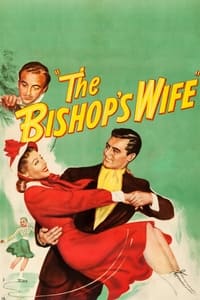
Niven's charming and whimsical portrayal of an angel brought a unique blend of humor and depth to the role.
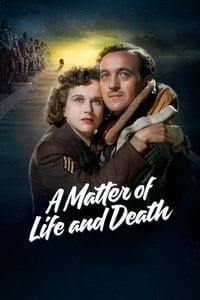
His performance as a British pilot caught between life and death showcased his ability to evoke both lightheartedness and profound existential dilemmas.
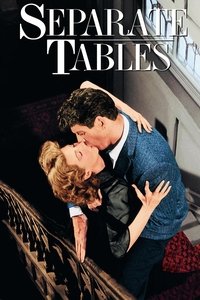
Niven's nuanced performance in this ensemble cast earned him critical acclaim and highlighted his range as an actor.

In a comedic twist on the spy genre, Niven's role as a retired Bond added a layer of sophistication and wit to the film.
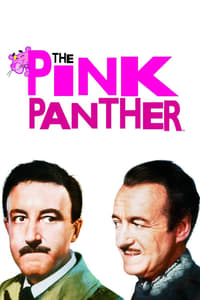
His suave demeanor and comedic timing contributed significantly to the film's enduring popularity.
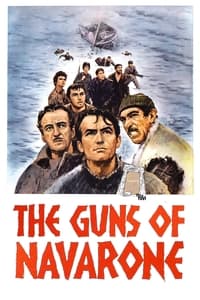
Niven's portrayal of a determined officer showcased his ability to balance heroism with vulnerability in a war setting.
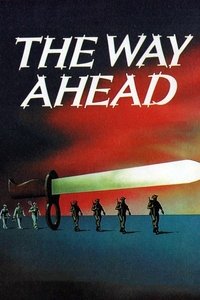
This role marked one of Niven's early portrayals of military life, establishing his connection with audiences during wartime.
Corrections
Spotted something off, missing, or worth refining? Send a note. Updates happen through our pipeline after users engage.