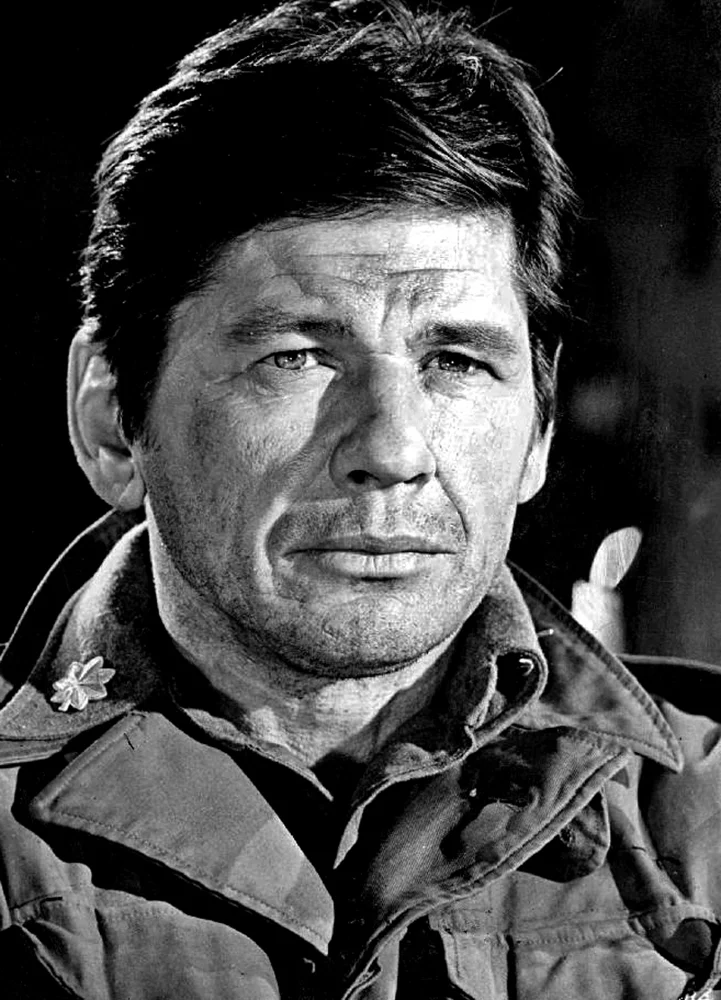
Photo: Herald American. Publicity photograph of Charles Bronson in Battle of the Bulge, published in 1966. Public domain in the United States. Portrait resized and converted; share image cropped with text added. See the source and license details below. Image credits
Intro
Charles Bronson was an American actor whose screen career developed from supporting parts into international stardom in westerns, war films and crime stories. Born Charles Buchinsky in Ehrenfeld, Pennsylvania, on November 3, 1921, he worked in coal mining before military service during the Second World War. He died on August 30, 2003. This profile concerns the film actor, whose professional name is also used by unrelated public figures.
Career snapshot
The Associated Press obituary traces his move through theatre work and the Pasadena Playhouse into Hollywood. Early credits appeared under Buchinsky or Buchinski before the change to Bronson. Machine-Gun Kelly and television’s Man with a Camera preceded the larger ensemble films that made his face widely familiar. Leading roles in European productions subsequently helped establish the star reputation that Hollywood had been slower to grant him.
The entry point
The Great Escape is the principal entry point. In John Sturges’s 1963 film, Bronson plays Danny, one of the prisoners whose tunneling skills are essential to a collective escape plan. His claustrophobia gives the role a tension between ability and fear. Watch how the scenes with his fellow prisoner Willie turn a practical task into a test of trust; the character’s vulnerability complicates the image of effortless toughness.
Screen identity and style
The Magnificent Seven, also directed by Sturges, had already placed Bronson in a memorable ensemble alongside Yul Brynner, Steve McQueen and James Coburn. AFI’s account of The Great Escape connects the two productions and their returning performers. A useful comparison is to observe how Bronson occupies a group shot: attention can come from a contained reaction or an economical movement rather than a long speech. That is a viewing suggestion, not a claim that all his characters behave alike.
Collaborations and patterns
The partnership with Michael Winner shaped another phase. TCM traces it from Chato’s Land through The Mechanic and Death Wish, with The Stone Killer among their collaborations. These films place Bronson in increasingly central action roles. Their protagonists and moral situations should be distinguished from the actor himself; a vigilante story, a police thriller and a professional-killer plot pose different questions even when the same recognizable performer leads them.
Era reflection
Hard Times offers another useful point of comparison. In Walter Hill’s Depression-era story, Bronson plays Chaney, a drifter who earns money through bare-knuckle fighting, opposite James Coburn’s hustler Speed. The premise lets a viewer examine physical performance, negotiation and silence together. Compare a pause before a fight with a pause in conversation: each can change the balance between two people without requiring the character to explain himself.
Legacy and rediscovery
Bronson’s legacy is best explored across these different settings rather than through the Death Wish label alone. Start with the collaborative effort of The Great Escape, move to the western ensemble of The Magnificent Seven, and then consider a later leading role. The gallery identifies production artwork rather than promising a personal still in every card. The separately credited publicity portrait comes from Battle of the Bulge and was published in 1966.
A career in pictures
Selected career milestones. Years identify the production or labeled milestone; recurring actors may join a series later. Artwork represents the production and may show other cast members. Select an image for a larger view.
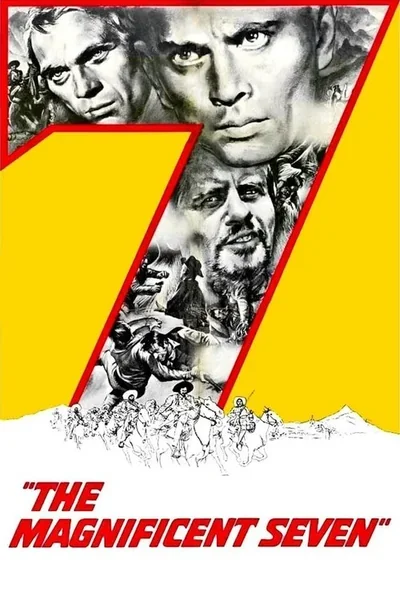
The Magnificent Seven
Ensemble cast. Production artwork; years identify the work, not necessarily the first year of the actor’s participation.
Production artwork from the DailyTimeCapsule archive. Image credits
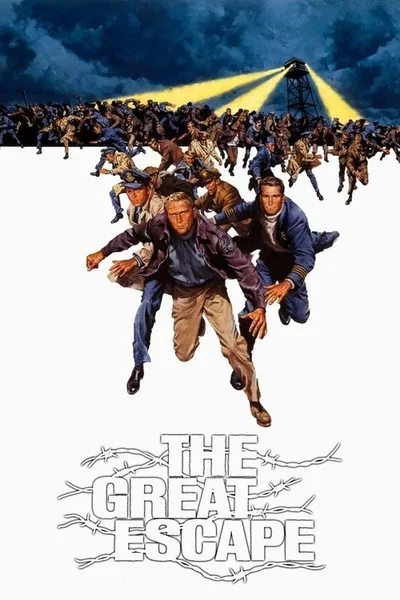
The Great Escape
Danny. Production artwork; years identify the work, not necessarily the first year of the actor’s participation.
Production artwork from the DailyTimeCapsule archive. Image credits
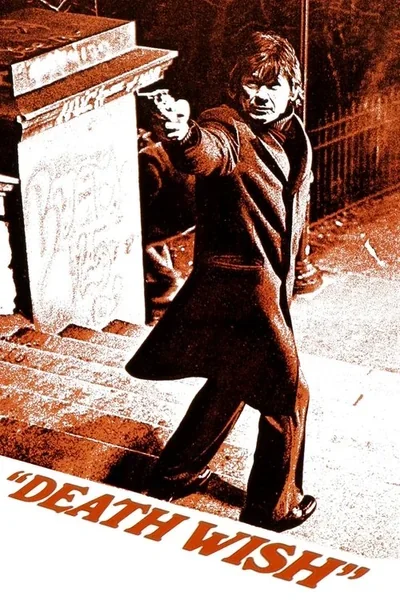
Death Wish
Leading role in the original film. Production artwork; years identify the work, not necessarily the first year of the actor’s participation.
Production artwork from the DailyTimeCapsule archive. Image credits
Rewatch notes
- Bronson’s early screen credits also used Buchinsky or Buchinski.
- John Sturges directed both The Magnificent Seven and The Great Escape.
- In Hard Times, Bronson plays the fighter Chaney opposite James Coburn.
Career highlights
Production artwork; years identify the work, not necessarily the first year of the actor’s participation.
Production artwork; years identify the work, not necessarily the first year of the actor’s participation.
Production artwork; years identify the work, not necessarily the first year of the actor’s participation.
Sources and image credits
Portrait: Herald American
https://commons.wikimedia.org/wiki/File:Charles_Bronson_-_1966.JPG
License: Public domain in the United States https://commons.wikimedia.org/wiki/File:Charles_Bronson_-_1966.JPG
- The Magnificent Seven — Production artwork from the DailyTimeCapsule archive.
https://silver.afi.com/movies/detail/0100004405/ - The Great Escape — Production artwork from the DailyTimeCapsule archive.
https://catalog.afi.com/Film/23871-THE-GREATESCAPE - Death Wish — Production artwork from the DailyTimeCapsule archive.
https://www.tcm.com/articles/637783/the-stone-killer
Reviewed September 30, 2026. Source references and image credits are listed below. This is a selected profile, not a complete credit list.
- Associated Press: Charles Bronson obituary
https://www.legacy.com/us/obituaries/name/charles-bronson-obituary?pid=1361712 - AFI Catalog: The Great Escape
https://catalog.afi.com/Film/23871-THE-GREATESCAPE - AFI Silver: The Magnificent Seven
https://silver.afi.com/movies/detail/0100004405/ - TCM: The Stone Killer and the Winner collaboration
https://www.tcm.com/articles/637783/the-stone-killer - TCM: Hard Times
https://www.tcm.com/watchtcm/titles/4624 - Commons: portrait provenance and license
https://commons.wikimedia.org/wiki/File:Charles_Bronson_-_1966.JPG
Production artwork is reused from the DailyTimeCapsule archive. The imagery represents the production and may not depict this actor or their particular season. Portrait and share-photo attribution appears beneath the portrait.
Corrections: hello@dailytimecapsule.com