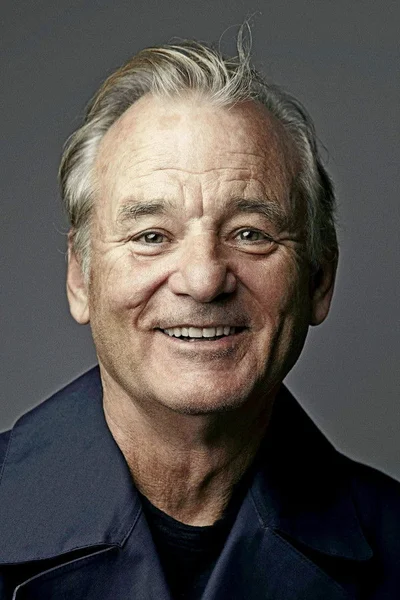
Images are provisional and may be updated.
Intro
Bill Murray stands out as a uniquely charismatic presence in cinema, often embodying characters that reflect both humor and humanity. His distinctive voice and expressive facial gestures contribute to a screen persona that is both relatable and enigmatic. Whether playing a cynical weatherman or a quirky ghostbuster, Murray's ability to navigate complex emotional landscapes has made him a beloved figure in film.
Career snapshot
Beginning his career in the late 1970s as a cast member on 'Saturday Night Live,' Murray quickly transitioned to film, gaining recognition for his roles in comedies like 'Meatballs' and 'Caddyshack.' The 1980s marked his rise to stardom, with iconic performances in 'Ghostbusters' and 'Scrooged' solidifying his status as a leading comedic actor. As his career evolved, he embraced more dramatic roles while retaining his comedic roots, showcasing his versatility in films like 'Lost in Translation.'
Anchor film context
In 'Ghostbusters II,' Bill Murray reprises his role as Peter Venkman, a character that epitomizes his blend of charm and sarcasm. This film further explores Venkman's relationships with his fellow ghostbusters and his romantic interest, allowing Murray to showcase his comedic timing amidst the supernatural chaos. His performance is a key element of the film's appeal, enhancing the humor while grounding the story with relatable emotions.
Screen identity and style
Murray's technical style is characterized by a relaxed delivery and impeccable timing, often employing pauses for comedic effect. His body language, from exaggerated expressions to subtle gestures, adds layers to his characters, making them feel more alive. The warmth in his vocal delivery often contrasts with the cynicism of his roles, creating a unique blend that resonates with audiences.
Collaborations and patterns
Throughout his career, Murray has collaborated with notable directors such as Wes Anderson, who has crafted several films featuring Murray's distinctive style. His repeated partnerships with actors like Dan Aykroyd and Harold Ramis have also contributed to memorable on-screen chemistry, particularly in the 'Ghostbusters' franchise. These collaborations have helped shape the comedic landscape of their time.
Era reflection
Murray's films often reflect and challenge the social dynamics of their respective eras, particularly the shift in comedic styles during the 1980s and 1990s. His characters frequently embody the disillusionment of the American male, navigating personal crises with humor and wit. This approach resonated with audiences seeking both escapism and relatability amid changing cultural norms.
Legacy and rediscovery
Bill Murray's impact on cinema is profound, influencing a generation of actors with his unique blend of humor and depth. His ability to traverse genres has paved the way for future comedic talents who aim to balance levity with serious themes. Murray's enduring appeal and distinctive style continue to inspire filmmakers and actors, ensuring his legacy in the film industry.
Rewatch notes
- Murray often improvises lines, which contributes to the spontaneous feel of his performances.
- His role in 'Ghostbusters' was initially intended for a more serious character, but Murray infused it with humor.
- Murray's character in 'Groundhog Day' faced significant emotional growth, a theme he has revisited in various roles.
- He frequently collaborates with director Wes Anderson, showcasing a signature style that combines whimsy and depth.
- Murray's portrayal of Frank Cross in 'Scrooged' is a modern twist on a classic character, reflecting 1980s sensibilities.
- In 'Zombieland,' his cameo was a nod to his own legendary status in Hollywood.
- Murray's performances often explore themes of existentialism, particularly in films like 'Lost in Translation.'
- He has a distinctive deadpan delivery that enhances his comedic roles.
- Murray's ability to oscillate between comedy and drama sets him apart from many of his contemporaries.
- His influence can be seen in the work of many modern comedians who strive for a similar blend of humor and heart.
Career highlights
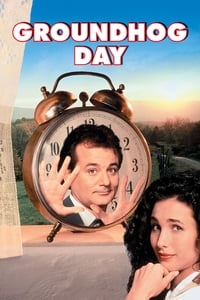
Murray's performance as a weatherman reliving the same day showcased his ability to blend comedy with profound emotional depth.
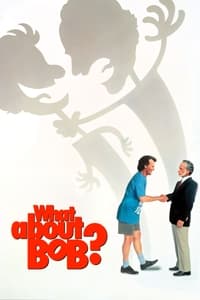
In this role, Murray's blend of neurotic charm and comedic timing made for a memorable and relatable performance.
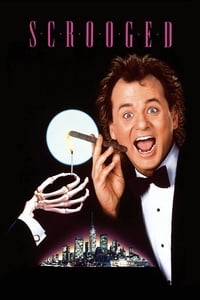
Murray's take on the classic Scrooge story infused it with a contemporary wit that resonated with 1980s audiences.
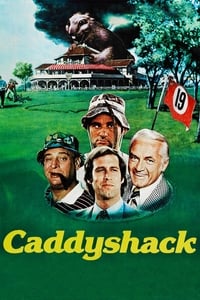
His role as a quirky groundskeeper helped solidify his status as a comedic icon in the realm of sports comedy.
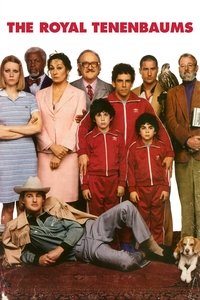
Murray's performance in this ensemble cast highlighted his unique ability to convey vulnerability and introspection.

His self-deprecating cameo brought unexpected humor and charm to a post-apocalyptic setting.
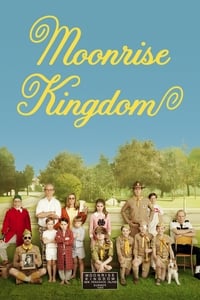
Murray's subtle comedic style added depth to this whimsical tale of young love and adventure.
Corrections
Spotted something off, missing, or worth refining? Send a note. Updates happen through our pipeline after users engage.