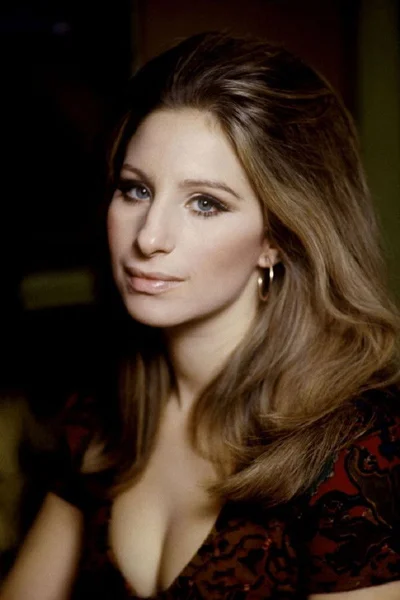
Images are provisional and may be updated.
Intro
Barbra Streisand's screen presence is marked by her distinctive voice, powerful performances, and an undeniable charisma that captivates audiences. Her ability to convey deep emotions while blending humor and drama sets her apart as a unique talent in Hollywood.
Career snapshot
Streisand's career began with Broadway success before transitioning into film, where she quickly became a defining figure of the 1970s. Her unique blend of musical talent and acting prowess allowed her to thrive in various genres, leading to numerous iconic roles.
Anchor film context
In 'The Way We Were', Streisand plays a politically engaged woman navigating the complexities of love and social change, a role that showcases her ability to infuse personal struggles with broader societal themes. This performance remains one of her most memorable and significant.
Screen identity and style
Streisand's technical style combines a commanding vocal delivery with expressive body language, often using subtle gestures to convey her characters' emotions. Her performances are characterized by a raw authenticity that resonates with viewers.
Collaborations and patterns
Throughout her career, Streisand has collaborated with notable directors such as William Wyler and Sydney Pollack, as well as co-stars like Robert Redford, creating memorable on-screen pairings that have left a lasting impact.
Era reflection
Streisand's work often reflects the changing social landscape of her time, addressing themes of feminism, love, and identity. Her choice of roles frequently challenged societal norms and presented strong, complex female characters.
Legacy and rediscovery
Streisand's impact on cinema and subsequent actors is profound, inspiring generations of performers to pursue diverse roles and advocate for their own creative control in the industry. Her pioneering spirit has paved the way for women in film.
Rewatch notes
- Streisand's vocal performance in 'Funny Girl' has been hailed as one of the best in musical film history.
- Her role in 'Yentl' was groundbreaking, as she became one of the first women to direct a major Hollywood film.
- In 'The Way We Were', her chemistry with Robert Redford is often cited as one of the film's highlights.
- Streisand's comedic timing in 'What's Up, Doc?' displays her versatility beyond dramatic roles.
- Her character in 'Nuts' challenges traditional portrayals of women in film, showcasing strength and determination.
- Streisand has a unique ability to convey vulnerability while maintaining a strong screen presence.
- Her performances often incorporate personal elements, adding layers to her characters.
- Streisand's influence extends beyond acting; she is also a significant figure in music and directing.
- She frequently uses her platform to advocate for social and political issues.
- Streisand's distinctive style and voice have made her an enduring icon in popular culture.
Career highlights
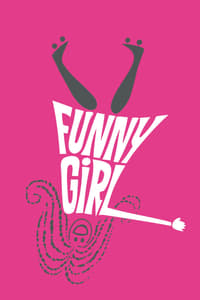
This role established her as a major star and showcased her unique blend of humor and emotional depth.
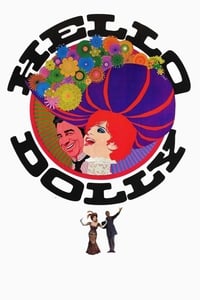
Her performance in this musical solidified her status as a leading lady in Hollywood musicals of the era.
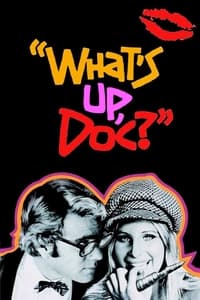
In this screwball comedy, Streisand displayed her comedic timing and ability to hold her own against seasoned actors.
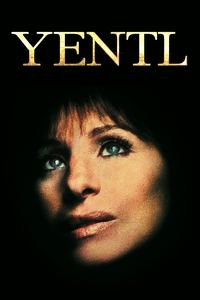
As both star and director, she broke barriers for women in film, exploring themes of gender and identity.

Her comedic presence added a unique dynamic to the ensemble cast, proving her versatility across genres.
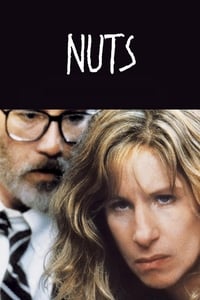
This dramatic role highlighted her ability to tackle complex characters and intense storylines.
Corrections
Spotted something off, missing, or worth refining? Send a note. Updates happen through our pipeline after users engage.