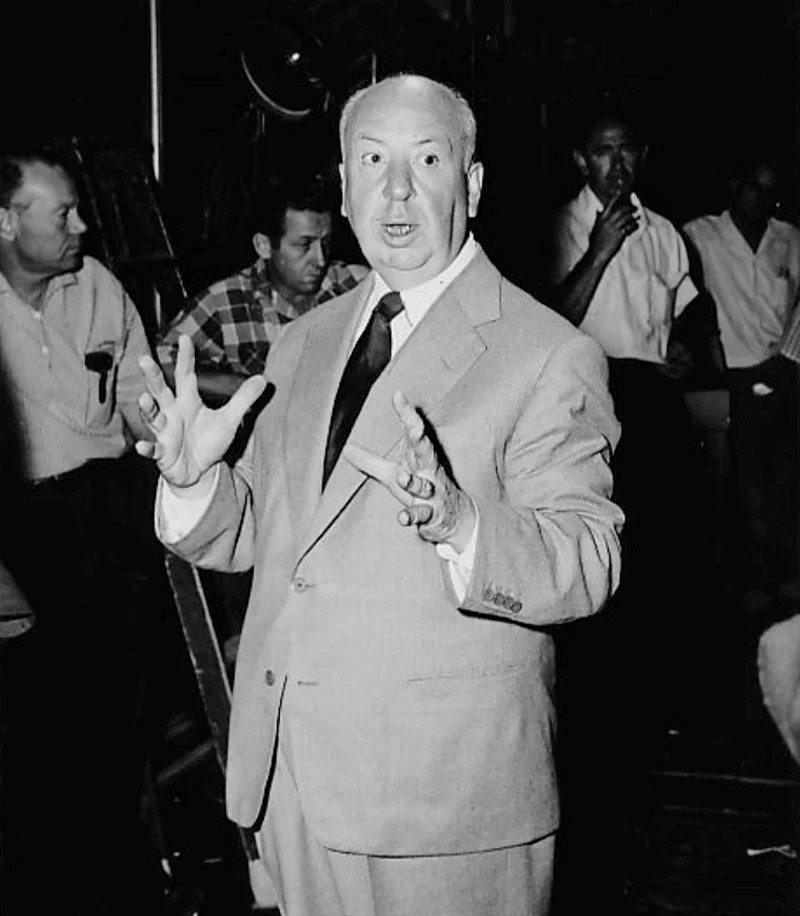
Photo: CBS Television. Alfred Hitchcock on the set of Alfred Hitchcock Presents, September 2, 1955. Existing publicity-photo crop locally resized and converted; share image cropped and titled. Public domain in the United States (published without copyright notice). Portrait resized and converted; share image cropped with text added. See the source and license details below. Image credits
Intro
Alfred Hitchcock is represented here as a filmmaker and television host. His place in screen history rests chiefly on directing, while Alfred Hitchcock Presents made his face, silhouette and dry delivery familiar to viewers at home. This profile distinguishes those activities: a director credit is not a leading acting role. The selected gallery follows films he directed and the anthology he introduced, with the television portrait providing an entry point to the public performer behind that recognizable screen presence.
Career snapshot
Hitchcock's career crossed the transition from silent cinema to synchronized sound. The BFI records that Blackmail was made in both silent and sound versions in 1929, with Anny Ondra on screen and Joan Barry supplying the heroine's voice for the sound version. Rebecca, released in 1940, became his first American film project and won the Academy Award for best picture. The move between countries and production systems is important context for a career often recalled mainly through its later Hollywood thrillers.
The entry point
Alfred Hitchcock Presents began in 1955. Its opening paired Hitchcock's silhouette with Charles Gounod's Funeral March of a Marionette, followed by a spoken introduction delivered with deadpan humor. The Television Academy's oral-history archive credits James B. Allardice with writing the host's monologues. That collaboration matters: the apparent conversational ease of an introduction was a constructed performance. The gallery uses the original series, rather than the later revival that reused older footage of its host.
Screen identity and style
Rear Window turns the act of looking into the organizing problem of a thriller. Its injured photographer watches neighboring apartments, leaving viewers to consider what can and cannot be inferred from fragments of other people's lives. Vertigo offers a different route through perception, memory and obsession. For a comparison, notice how each film controls the information available to its central character and to the audience. Suspense can depend as much on where a camera cannot look as on what it reveals.
Collaborations and patterns
Hitchcock's films were collective work even when his name became their most recognizable signature. Alma Reville was his wife and creative collaborator; AFI's account of his career emphasizes that partnership. In Vertigo, Bernard Herrmann's music and Robert Burks's cinematography are central elements of the experience. Separating direction, writing, performance, photography and music makes the films richer to revisit. It also avoids treating the director's publicity persona as a complete explanation of how a finished scene was made.
Era reflection
The gallery moves from Rebecca to Rear Window, the television anthology, Vertigo and Psycho. These works show different scales of presentation, from a feature-length gothic story to a short introduction that sets up somebody else's drama. Hitchcock received the AFI Life Achievement Award in 1979. Such retrospective honors acknowledge a body of work, but they need not dictate a single viewing order: a television introduction can be as revealing about his public image as a celebrated film is about his directing.
Legacy and rediscovery
Start with an original Alfred Hitchcock Presents introduction, then compare Rear Window and Vertigo. Watch for a shift in viewpoint, a musical cue or a reaction shot that changes what an audience expects next. This is an editorial viewing route rather than an exhaustive filmography or a promise of current streaming access. The production cards explicitly identify directing and hosting, while the credited 1955 CBS photograph records Hitchcock himself at the start of his anthology's television run.
A career in pictures
Selected career milestones. Years identify the production or labeled milestone; recurring actors may join a series later. Artwork represents the production and may show other cast members. Select an image for a larger view.
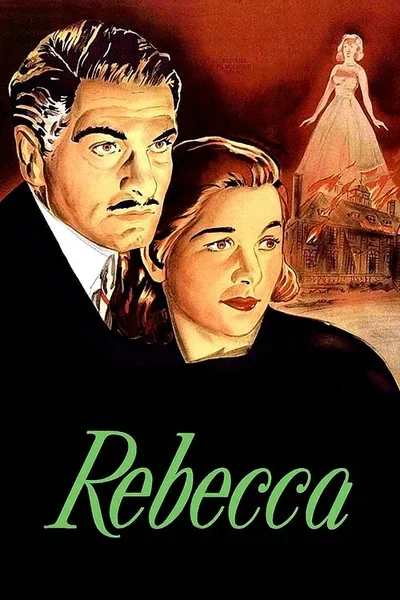
Rebecca
Director. First American feature project; direction, not a leading acting credit.
Production artwork from the DailyTimeCapsule archive. Image credits
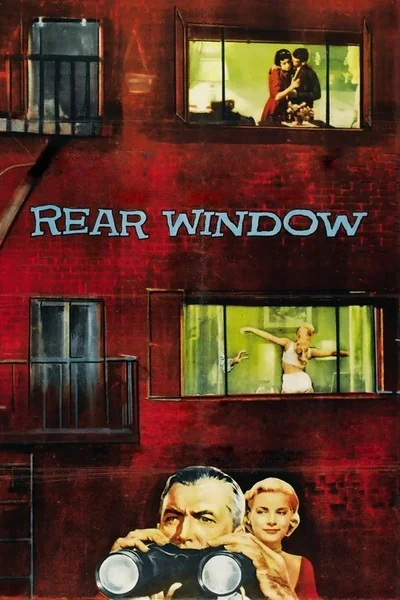
Rear Window
Director. Thriller structured around a photographer's restricted viewpoint.
Production artwork from the DailyTimeCapsule archive. Image credits
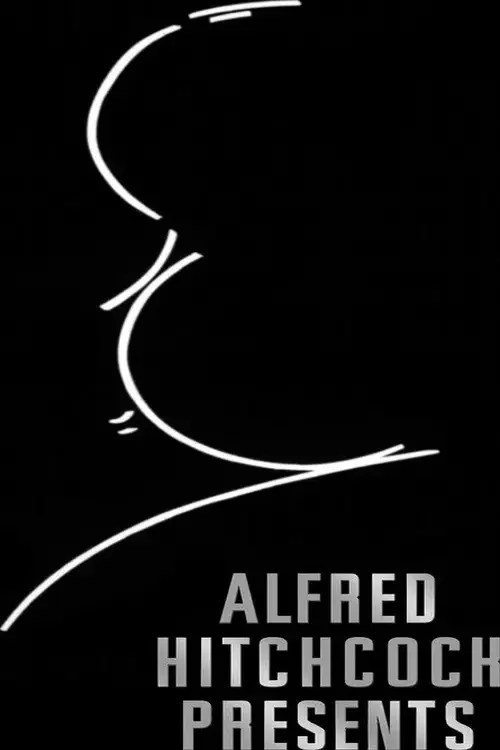
Alfred Hitchcock Presents
Host. Original anthology series, with introductions performed by Hitchcock.
Production artwork from the DailyTimeCapsule archive. Image credits
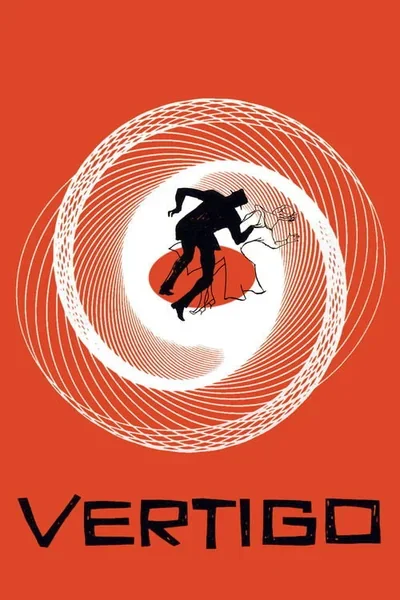
Vertigo
Director. A film centered on perception and obsession, with music by Bernard Herrmann.
Production artwork from the DailyTimeCapsule archive. Image credits
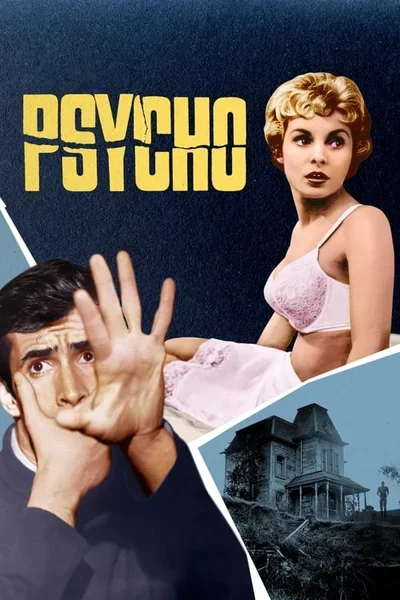
Psycho
Director. Directorial milestone; production artwork may depict the film's actors.
Production artwork from the DailyTimeCapsule archive. Image credits
Rewatch notes
- Blackmail was made in both silent and sound versions in 1929.
- James B. Allardice wrote Hitchcock's television-host monologues.
- Hitchcock received the AFI Life Achievement Award in 1979.
Career highlights
First American feature project; direction, not a leading acting credit.
Thriller structured around a photographer's restricted viewpoint.
Original anthology series, with introductions performed by Hitchcock.
A film centered on perception and obsession, with music by Bernard Herrmann.
Directorial milestone; production artwork may depict the film's actors.
Sources and image credits
Portrait: CBS Television
https://commons.wikimedia.org/wiki/File:Alfred_Hitchcock_1955.jpg
License: Public domain in the United States (published without copyright notice) https://commons.wikimedia.org/wiki/File:Alfred_Hitchcock_1955.jpg
- Rebecca — Production artwork from the DailyTimeCapsule archive.
https://www.bfi.org.uk/resources-events-teachers/resources-teachers/gothic-classroom/film-3-rebecca-1940 - Rear Window — Production artwork from the DailyTimeCapsule archive.
https://www.bfi.org.uk/film/9ba04910-29a5-5dd5-8ed0-17f844db1cb4/rear-window - Alfred Hitchcock Presents — Production artwork from the DailyTimeCapsule archive.
https://interviews.televisionacademy.com/shows/alfred-hitchcock-presents-aka-the-alfred-hitchcock-hour - Vertigo — Production artwork from the DailyTimeCapsule archive.
https://www.bfi.org.uk/sight-and-sound/polls/greatest-films-all-time/vertigo-hitchcock-new-number-one - Psycho — Production artwork from the DailyTimeCapsule archive.
https://www.afi.com/press/afi_fest_2012_opening_night_announcement/
Reviewed September 20, 2026. Source references and image credits are listed below. This is a selected profile, not a complete credit list.
- Television Academy Interviews: Alfred Hitchcock Presents and The Alfred Hitchcock Hour
https://interviews.televisionacademy.com/shows/alfred-hitchcock-presents-aka-the-alfred-hitchcock-hour - BFI: Blackmail (1929)
https://www.bfi.org.uk/film/bc5f7958-d424-517f-b707-791d7bc8ed55/blackmail - BFI: Rebecca (1940)
https://www.bfi.org.uk/resources-events-teachers/resources-teachers/gothic-classroom/film-3-rebecca-1940 - BFI: Rear Window (1954)
https://www.bfi.org.uk/film/9ba04910-29a5-5dd5-8ed0-17f844db1cb4/rear-window - BFI Sight and Sound: Vertigo, Herrmann and Burks
https://www.bfi.org.uk/sight-and-sound/polls/greatest-films-all-time/vertigo-hitchcock-new-number-one - AFI: Alfred Hitchcock and Alma Reville; 1979 career honor
https://www.afi.com/press/afi_fest_2012_opening_night_announcement/ - Wikimedia Commons: CBS 1955 portrait provenance
https://commons.wikimedia.org/wiki/File:Alfred_Hitchcock_1955.jpg
Production artwork is reused from the DailyTimeCapsule archive. The imagery represents the production and may not depict this actor or their particular season. Portrait and share-photo attribution appears beneath the portrait.
Corrections: hello@dailytimecapsule.com