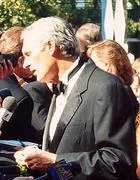
Photo: Alan Light. Alan Alda at the Emmy Awards, September 11, 1994. Resized and converted; share image cropped with text added. CC BY 2.0. Portrait resized and converted; share image cropped with text added. See the source and license details below. Image credits
Intro
Alan Alda is an actor, writer and director whose work extends from television comedy to film, theatre and public conversations about science. Hawkeye Pierce in M*A*S*H remains a central entry point, but Arnold Vinick in The West Wing and the film The Four Seasons reveal different parts of his career. The Television Academy records six Emmy wins and his 1994 Hall of Fame induction. Those honors recognize a performer whose professional identity includes shaping stories as well as appearing in them.
Career snapshot
Alda described growing up around theatre in a 2015 interview with the American Physical Society. His father was an actor, and watching from the wings helped him imagine his own future; he also recalled wanting to write at an early age. His later science work grew from a longstanding personal interest rather than a sudden change of profession. That background suggests two useful threads through the career: curiosity about people and an interest in how ideas can be made understandable through a human encounter.
The entry point
M*A*S*H gives Alda a setting in which quick wit and serious pressure can occupy the same scene. Hawkeye is a military surgeon, and the series repeatedly places everyday banter beside the consequences of war. For a rewatch, follow the movement between those registers: a joke may relieve tension, deflect a question or make a difficult truth easier to hear. Watching who receives the joke matters as much as watching who delivers it. The television series is the entry point here, distinct from the earlier feature film.
Screen identity and style
The West Wing cast Alda as Arnold Vinick, a role that brought him a supporting-actor Emmy in 2006. His Oscar nomination for the 2004 film The Aviator offers another example of a later supporting performance receiving major recognition. These roles invite a comparison with Hawkeye without assuming a familiar actor is always playing the same kind of person. Notice how posture, conversational pace and the willingness to interrupt can establish authority. A relaxed manner may be welcoming in one scene and a means of control in another.
Collaborations and patterns
The Four Seasons, released in 1981, was Alda's feature directing debut, and he also wrote the screenplay and played Jack Burroughs. AFI's record lists Carol Burnett as Kate, alongside Len Cariou, Sandy Dennis, Rita Moreno, Jack Weston and Bess Armstrong. Its ensemble offers a different dramatic scale from a weekly television role: the filmmaker must distribute attention across several relationships while allowing the audience to follow changes between them. Alda's combined writing, directing and acting credits make this a particularly useful film for exploring his work beyond performance alone.
Era reflection
Scientific American Frontiers gave Alda a place to pursue questions with working scientists. In his APS interview, he explained that he wanted to speak with them on camera rather than simply provide narration. He linked the warmth of those conversations to his later communication teaching and the use of improvisation to help people relate to one another. The same interview describes the Alan Alda Center for Communicating Science at Stony Brook, founded in 2009, and his stage work as Richard Feynman in QED. Theatre and science became overlapping interests.
Legacy and rediscovery
A useful route through Alda's work alternates between performing and listening. Start with an ensemble scene in M*A*S*H, then compare a conversation in The Four Seasons or The West Wing with a science interview. Ask what changes when the other person speaks, and how that response affects the direction of the exchange. This is a viewing exercise rather than a claim that all his characters share one outlook. His varied credits make the comparison rewarding: comedy, political drama and public explanation place different demands on the same fundamental act of paying attention.
A career in pictures
Selected career milestones. Years identify the production or labeled milestone; recurring actors may join a series later. Artwork represents the production and may show other cast members. Select an image for a larger view.
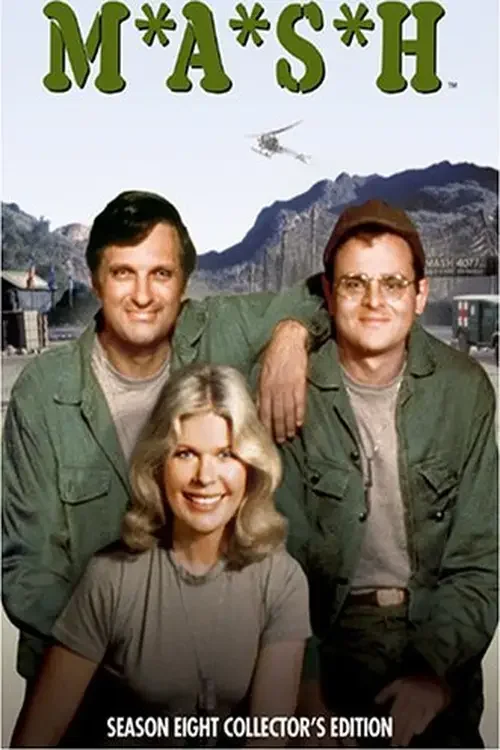
M*A*S*H
Captain Hawkeye Pierce. The television series, not the 1970 feature.
Production artwork from the DailyTimeCapsule archive. Image credits
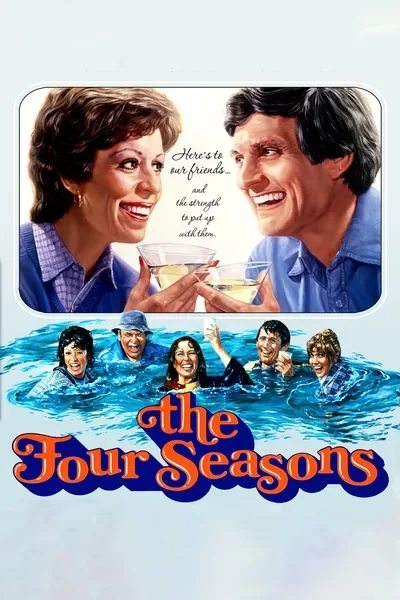
The Four Seasons
Jack Burroughs; writer and director. Feature directing debut; ensemble includes Carol Burnett and Rita Moreno.
Production artwork from the DailyTimeCapsule archive. Image credits
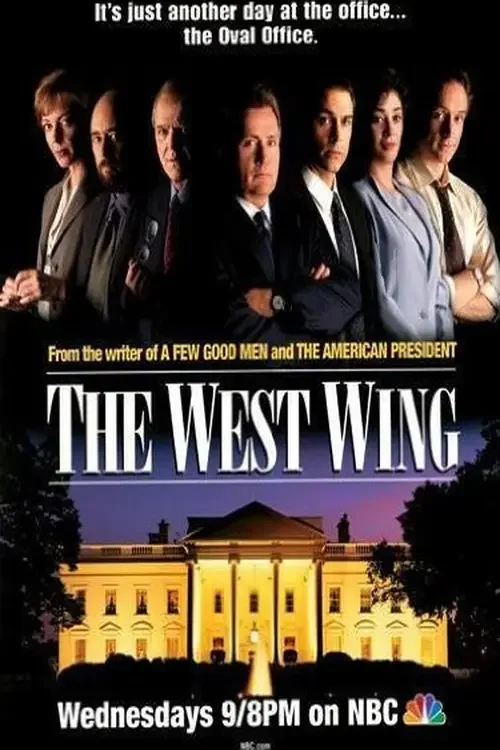
The West Wing
Arnold Vinick, later seasons. Year identifies series launch; Alda joined later and won an Emmy in 2006.
Production artwork from the DailyTimeCapsule archive. Image credits
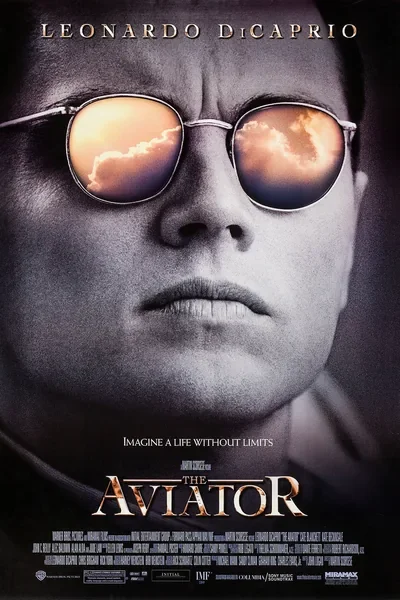
The Aviator
Supporting performance. Oscar-nominated at the 2005 ceremony.
Production artwork from the DailyTimeCapsule archive. Image credits
Rewatch notes
- The Four Seasons was Alda's feature directing debut.
- He won a supporting-actor Emmy for The West Wing in 2006.
- The Television Academy inducted him into its Hall of Fame in 1994.
Career highlights
The television series, not the 1970 feature.
Feature directing debut; ensemble includes Carol Burnett and Rita Moreno.
Year identifies series launch; Alda joined later and won an Emmy in 2006.
Oscar-nominated at the 2005 ceremony.
Sources and image credits
Portrait: Alan Light
https://commons.wikimedia.org/wiki/File:Alan_Alda_Emmys_1994_cropped.jpg
License: CC BY 2.0 https://creativecommons.org/licenses/by/2.0/
- M*A*S*H — Production artwork from the DailyTimeCapsule archive.
https://www.televisionacademy.com/bios/alan-alda - The Four Seasons — Production artwork from the DailyTimeCapsule archive.
https://catalog.afi.com/Film/56615-THE-FOUR-SEASONS - The West Wing — Production artwork from the DailyTimeCapsule archive.
https://www.televisionacademy.com/bios/alan-alda - The Aviator — Production artwork from the DailyTimeCapsule archive.
https://www.oscars.org/oscars/ceremonies/2005/S
Reviewed September 25, 2026. Source references and image credits are listed below. This is a selected profile, not a complete credit list.
- Television Academy: Alan Alda awards and biography
https://www.televisionacademy.com/bios/alan-alda - AFI Catalog: The Four Seasons (1981)
https://catalog.afi.com/Film/56615-THE-FOUR-SEASONS - Academy Awards: 2005 supporting actor nomination
https://www.oscars.org/oscars/ceremonies/2005/S - American Physical Society: Alan Alda interview, 2015
https://www.aps.org/apsnews/2015/03/aps-fellow-alan-alda-brings-science-to-life - Scientific American: Alan Alda Communicates Science, 2013
https://www.scientificamerican.com/podcast/episode/alan-alda-communicates-science-13-09-30/ - Wikimedia Commons: Alan Light portrait licensing
https://commons.wikimedia.org/wiki/File:Alan_Alda_Emmys_1994.jpg
Production artwork is reused from the DailyTimeCapsule archive. The imagery represents the production and may not depict this actor or their particular season. Portrait and share-photo attribution appears beneath the portrait.
Corrections: hello@dailytimecapsule.com