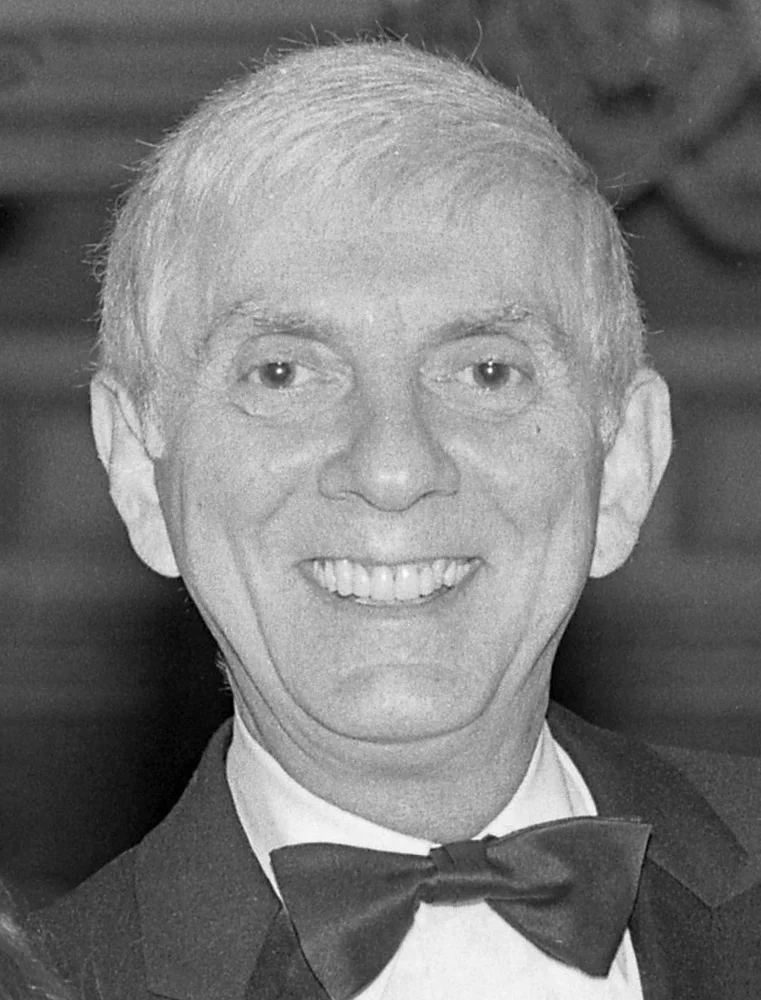
Photo: Monica Almeida / Los Angeles Times Photographic Collection, UCLA Library. Portrait cropped from a January 13, 1985 event photograph. CC BY 4.0. Portrait resized and converted; share image cropped with text added. See the source and license details below. Image credits
Intro
Aaron Spelling was an American actor, writer and producer whose name became closely associated with popular network television. His early acting work is part of the record, but the programmes most strongly linked to him were productions he helped make behind the camera. Dynasty is the entry point here for that producing career. This distinction matters in a cast library: the gallery identifies shows he produced, not characters he played. A credited 1985 portrait accompanies selected production milestones and a guide to the different kinds of television in his career.
Career snapshot
Born in Dallas in 1923, Spelling moved through acting and writing before establishing himself as a producer. The Television Academy's retrospective describes early appearances on Dragnet and I Love Lucy and identifies Johnny Ringo as his first television series as producer. His oral-history interview covers writing for Dick Powell's Zane Grey Theater, Fireside Theatre and Playhouse 90. These credits place his beginnings within an industry of episodic drama, anthologies and westerns. They also help explain why the later producer's name connects programmes with quite different settings, casts and dramatic conventions.
The entry point
Dynasty belongs to the part of Spelling's career associated with continuing drama and large ensembles. Unlike a guest appearance, producing a series involves helping sustain the conditions in which a cast and its stories develop. Spelling's Television Academy interview includes discussion of the programme and Joan Collins joining it. The production image below therefore represents a creative and organizational credit. For a rewatch, consider how an ensemble distributes attention: family conflicts and competing interests allow several characters to drive a continuing story, while each episode still needs its own immediate movement.
Screen identity and style
Spelling's public identity became unusually tied to the producer's credit. Charlie's Angels, The Love Boat, Fantasy Island, Dynasty and Beverly Hills, 90210 offer several routes into the work associated with his name. A viewer can compare crime-adventure, guest-centred entertainment and continuing relationship drama without assuming they share one formula or one author. Television is collaborative, and a producer's visibility should not erase writers, directors, performers or fellow producers. The useful comparison is between the kinds of viewing experience these series organize, rather than an assertion that their many individual creative decisions came from one person.
Collaborations and patterns
The Academy biography records Spelling's producing partnerships with Danny Thomas and Leonard Goldberg. His oral history also returns to Dick Powell and the earlier work from which he learned. These relationships make the career easier to understand as a sequence of collaborations than as an isolated success story. The interview discusses the development and casting of several familiar programmes, including Charlie's Angels and The Love Boat. Production choices bring people and formats together; the finished cast becomes the visible part of a much larger group responsible for making the programme possible.
Era reflection
The Academy's awards record adds an important counterpoint to the popular series. Spelling received producing Emmys for Day One in 1989 and And the Band Played On in 1994. These television movies sit alongside the serial and episodic entertainment for which he is widely remembered. Their presence in the record argues for examining individual projects rather than using a single genre label for the whole career. The Television Academy also inducted him into its Hall of Fame in 1996, recognizing his place in the medium beyond any one show's run.
Legacy and rediscovery
Spelling died in 2006, leaving a production record that reaches from early television acting and anthology writing to familiar long-running series. A useful viewing path compares Charlie's Angels, Dynasty and Beverly Hills, 90210, then adds one of the television movies recognized by the Academy. That selection changes format and audience context while keeping the producing credit in view. The gallery is deliberately labelled by production role. It offers an introduction to selected work, not an exhaustive filmography, a tally of every episode or a suggestion that Spelling appeared in the scenes pictured.
A career in pictures
Selected career milestones. Years identify the production or labeled milestone; recurring actors may join a series later. Artwork represents the production and may show other cast members. Select an image for a larger view.
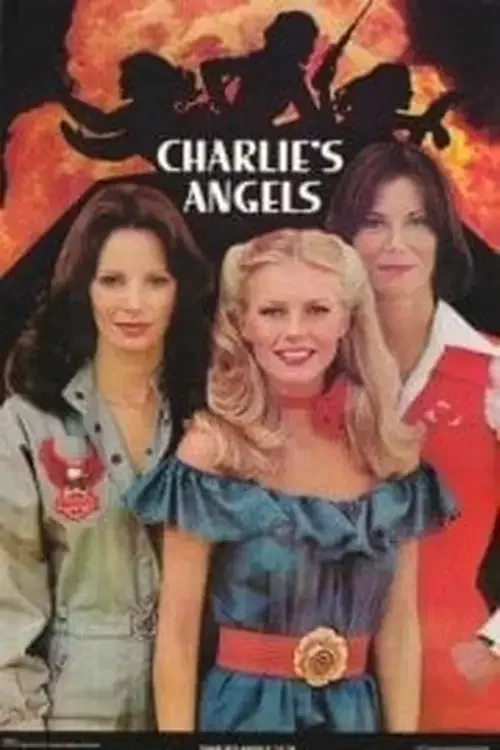
Charlie's Angels
Producer. A production credit, not an on-screen character.
Production artwork from the DailyTimeCapsule archive. Image credits
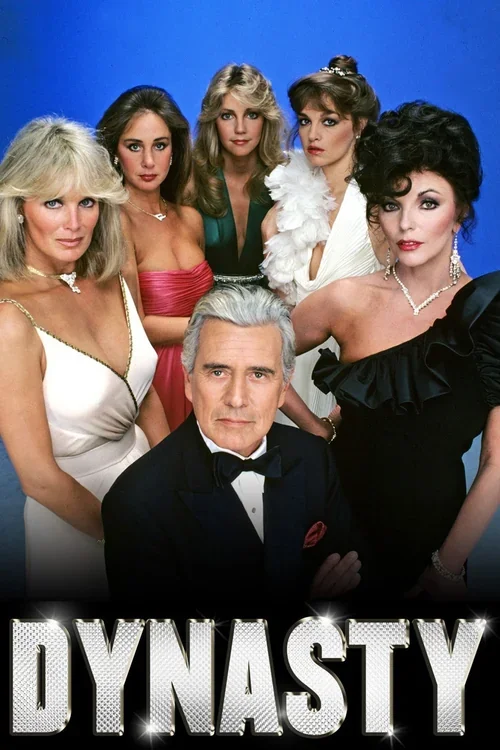
Dynasty
Producer. Continuing ensemble drama.
Production artwork from the DailyTimeCapsule archive. Image credits
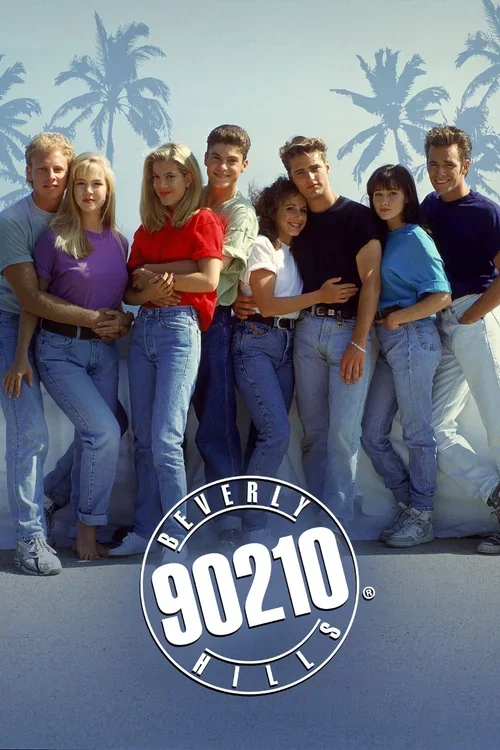
Beverly Hills, 90210
Producer. Production artwork representing his work behind the camera.
Production artwork from the DailyTimeCapsule archive. Image credits
Rewatch notes
- Spelling's early acting credits included Dragnet and I Love Lucy.
- His producing Emmy wins include Day One and And the Band Played On.
- The Television Academy inducted him into its Hall of Fame in 1996.
Career highlights
A production credit, not an on-screen character.
Continuing ensemble drama.
Production artwork representing his work behind the camera.
Sources and image credits
Portrait: Monica Almeida / Los Angeles Times Photographic Collection, UCLA Library
https://commons.wikimedia.org/wiki/File:Aaron_Spelling.jpg
License: CC BY 4.0 https://creativecommons.org/licenses/by/4.0/
- Charlie's Angels — Production artwork from the DailyTimeCapsule archive.
https://www.televisionacademy.com/bios/aaron-spelling - Dynasty — Production artwork from the DailyTimeCapsule archive.
https://www.televisionacademy.com/bios/aaron-spelling - Beverly Hills, 90210 — Production artwork from the DailyTimeCapsule archive.
https://www.televisionacademy.com/bios/aaron-spelling
Reviewed September 29, 2026. Source references and image credits are listed below. This is a selected profile, not a complete credit list.
- Television Academy: Aaron Spelling biography and awards
https://www.televisionacademy.com/bios/aaron-spelling - Television Academy: Aaron Spelling, Emmy Rewind
https://www.televisionacademy.com/features/news/emmy-rewind/aaron-spelling - Television Academy Interviews: Aaron Spelling oral history
https://interviews.televisionacademy.com/interviews/aaron-spelling - Commons: Aaron Spelling, UCLA Library photograph
https://commons.wikimedia.org/wiki/File:Aaron_Spelling.jpg
Production artwork is reused from the DailyTimeCapsule archive. The imagery represents the production and may not depict this actor or their particular season. Portrait and share-photo attribution appears beneath the portrait.
Corrections: hello@dailytimecapsule.com