

















🧠 Inventions of 2007
Breakthroughs and everyday innovations from the year.
1 
Smartphone (iPhone)
2 
Mobile App Store Concept
3 
Cloud-Based Email Hosting
4 
Social Media Advertising
5 
High-Speed Mobile Data (4G Concept)
6 
Digital Mapping Street View
7 
Electric Vehicle Consumer Prototype
8 
Online Video Monetization
9 
Touchscreen Multi-Touch Interface
10 
Medical Wearable Sensors
Wall Street Time Machine
The Right Call: If you'd invested $1,000 in any one of these companies in 2007, here's what it would be worth in 2025.
Rank #1
AMZN
Amazon
Price in 2007
$1.93
Value in 2025
$117,189
Amazon - If you invested $1,000 in 2007, it would be worth $117,189 today (117.2x return)
Rank #3
NFLX
Netflix
Price in 2007
$0.38
Value in 2025
$247,275
Netflix - If you invested $1,000 in 2007, it would be worth $247,275 today (247.3x return)
🦸 Top 5 Comics

Buffy the Vampire Slayer Season Eight #1
$25

The Umbrella Academy #1
$150

Captain America #25
$75,000

Y: The Last Man #60
$150
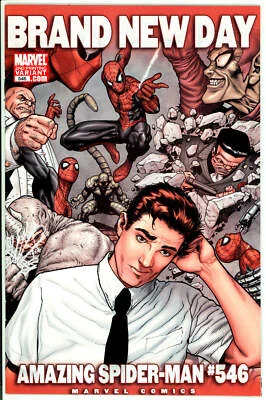
Amazing Spider-Man #546
$25
🧸 Top 5 Toys

iPod Touch
$2000.00

Transformers Movie Toys
$150.00
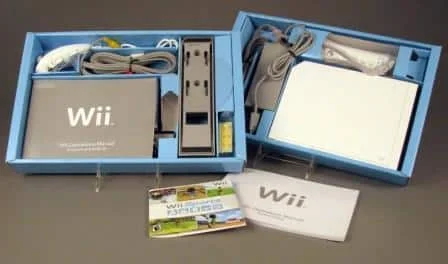
Nintendo Wii
$250.00

Hannah Montana Dolls
$150.00

Razor Sole Skate
$400.00
🎮 Top 5 Video Games

BioShock
$55.00
Portal
$200.00
Call of Duty 4: Modern Warfare
$35.00
Super Mario Galaxy
$200.00
Assassin's Creed
$200.00
⚾ Top 5 Trading Cards
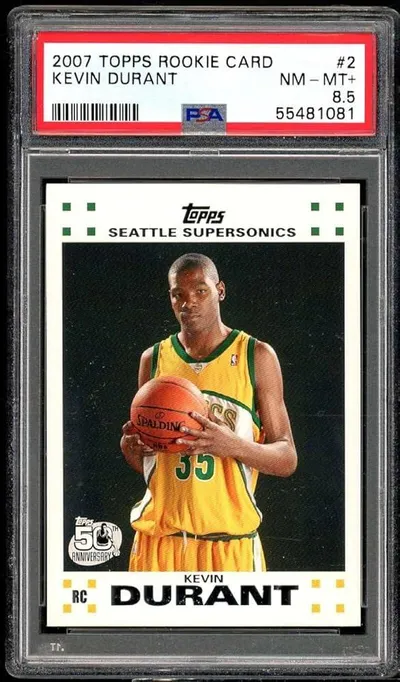
2007 Topps Rookie Card Kevin Durant
$30,000

2007 Yu-Gi-Oh! Gold Series Blue-Eyes White Dragon
$26,000

2007 Pokémon Diamond & Pearl Base Set Charizard
$22,100

2007 SP Authentic Adrian Peterson Rookie Card
$1,500

2007 Magic: The Gathering Tarmogoyf
$250,000