






















DailyTimeCapsule brief
April 26, 1932
On April 26, 1932, the tragic death of a victim from a Jersey auto crash highlighted ongoing issues surrounding road safety in America, a matter that was growing increasingly urgent as automobile usage skyrocketed during the 1920s. Meanwhile, diplomatic efforts were underway as a British attache arrived in Washington, D.C., signaling a continued focus on international relations amid a backdrop of economic turmoil from the Great Depression. In domestic policy, conversations intensified around Prohibition, with reports indicating that at least nine of the eleven members of the Wickersham Commission now recognized the need for some changes. The chairman of the commission expressed skepticism, noting that conditions did not seem worse than when their report was issued the previous year, indicating a divided sentiment on the effectiveness of the existing policies.
Key developments
-
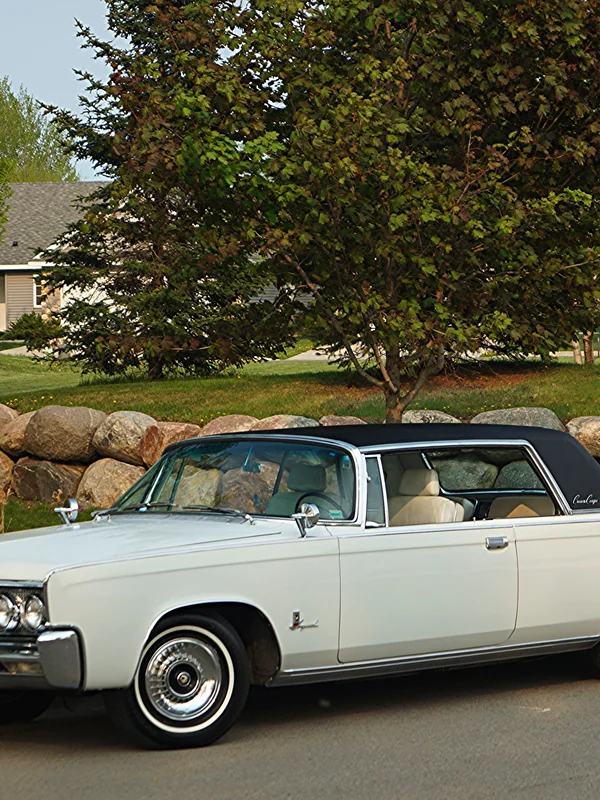
On April 26, 1932, a victim succumbed to injuries from a severe automobile accident in New Jersey. The crash highlights the rising concerns regarding road safety in the early 20th century. This tragic event underscores the need for improved traffic regulations as automobile use became widespread.
Wikimedia Current Events -
On April 26, 1932, a British military attache arrived in the United States as an assistant to the British Embassy. This arrival marked a significant step in diplomatic relations between the U.S. and the U.K. during a pivotal time in global politics, as both nations navigated the interwar period.
Wikimedia Current Events -
On April 26, 1932, a poll revealed that at least 9 of the 11 members of the Wickersham Commission supported changes to prohibition laws. Chairman Wickersham expressed skepticism about whether current conditions were any worse than those reported a year prior. The commission was urged to consider Anderson's plan for reform.
Wikimedia Current Events